
Israeli Soldiers Use Sexual Assault To Force Palestinians Out Of West Bank, Report Says
Key Takeaways
- Sexual violence used to displace Palestinians in the West Bank.
- Reports describe the violence as a tactic within a broader pattern in the West Bank.
- Perpetrators include Israeli soldiers and settlers.
Sexual violence as coercion
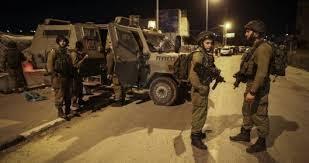
A report by the West Bank Protection Consortium says Israeli soldiers and settlers are using gendered violence and sexual assault and harassment to force Palestinians from their homes in the occupied West Bank.
“Israeli soldiers using sexual assault to displace Palestinians, report says What's the story A report by the West Bank Protection Consortium has revealed that Israeli soldiers and settlers are using sexual violence as a tactic to forcibly displace Palestinians from their homes in the occupied West Bank”
The Guardian reports that Palestinian women, men and children have described attacks including forced nudity, invasive and painful body cavity searches, and Israelis exposing their genitals, including to minors, along with threats of sexual violence.
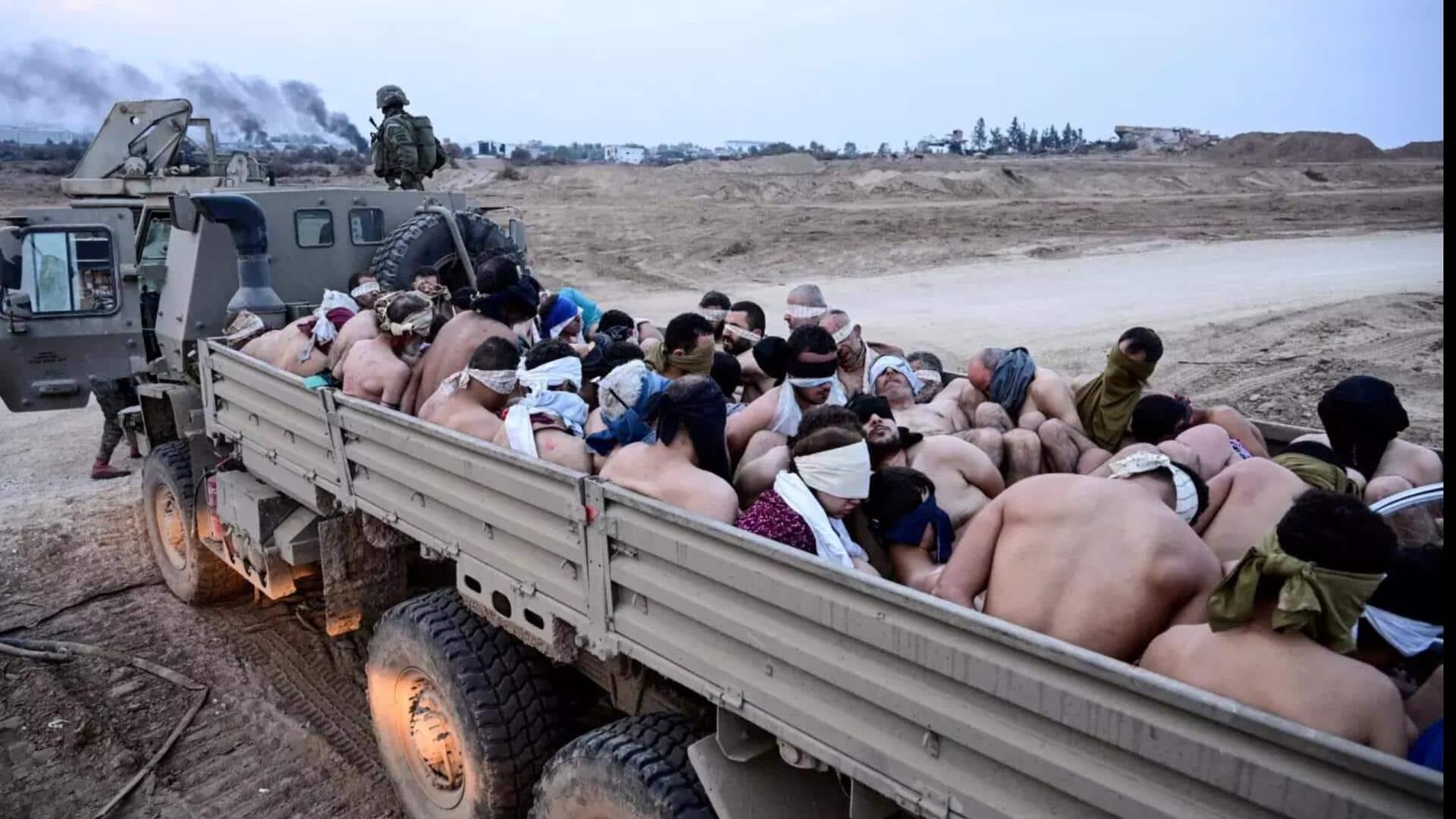
The study, “Sexual violence and forcible transfer in the West Bank,” says “Sexualised violence is used to pressure communities, shape decisions about remaining or leaving their homes and land, and alter patterns of daily life,” according to the group of international humanitarian organisations cited in The Guardian.
The report also says researchers recorded sixteen cases of conflict-related sexual violence over the last three years, a figure described as likely under-reporting because of shame and stigma faced by survivors.
The NewsBytes write-up of the same report says “Over three years, researchers recorded 16 cases of conflict-related sexual violence, a figure they believe is underreported due to societal stigma,” and it lists forced nudity, urinating on Palestinians, invasive body cavity searches, and exposure of genitals by Israelis.
The nrc.no text similarly frames the findings as part of a coercive environment, stating that “It operates within a coercive environment that contributes to the forcible transfer of Palestinian communities.”
What the report says happened
The report describes a range of sexualised attacks and humiliations that researchers say escalated after 2023.
The Guardian says the study details “accounts of escalating sexualised attacks and humiliation of Palestinians in their communities and inside their homes since 2023,” and it lists other forms of reported violence including urinating on Palestinians, taking and distributing humiliating photographs of bound and stripped individuals, stalking women who are using latrines, and threatening sexual violence against women.

The NewsBytes account says the report chronicles instances of escalating sexualized attacks and humiliation of Palestinians since 2023 and highlights coercive tactics used to influence community decisions about staying or leaving.
One case described in The Guardian involves a woman subjected to a painful internal search by two female soldiers who entered her home with settlers and ordered her to remove her clothes; the report says, “She described being instructed to open her legs in a way that caused pain, and she described derogatory comments and touching of intimate areas.”
NewsBytes repeats that the report highlights “a painful interior search by two female soldiers who entered her home and told her to remove her clothes,” and it adds the line, “She described being instructed to open her legs in a way that caused pain,” as part of the same account.
The Guardian also describes how men and boys were targets of sexual assault and harassment, including a case where Israeli settlers stripped 29-year old Qusai Abu al-Kebash from the northern Jordan valley community of Khirbet Humsa, put a zip tie on his genitals and beat him in front of his community and international activists, witnesses said.
In another incident described by The Guardian, in October 2023 settlers and soldiers stripped, handcuffed and beat Palestinians from the village of Wadi as-Seeq, urinated on them, attempted to rape one with a broom handle, and took photographs of them naked which they then distributed publicly.
Voices: fear, stigma, impunity
The report’s findings are presented alongside testimony and analysis from multiple organisations and advocates.
“In these circumstances, such violence is not occuring in isolation”
The Guardian quotes the West Bank Protection Consortium report saying “Participants described sexualised harassment as the moment when fear shifted from chronic to unbearable,” and it adds that they spoke of “watching women and girls endure humiliation and of calculating what might happen next,” according to the report.
The Guardian also says the case studies are anonymised because of the stigma surrounding sexual violence, and it reports that more than two-thirds of households surveyed identified rising violence against women and children, including sexual harassment targeting girls, as a tipping point in their decision to leave.
Kifaya Khraim, the advocacy unit manager at the Ramallah-based Women’s Centre for Legal Aid and Counselling (WCLAC), is quoted in The Guardian describing the impact on schooling and marriage, saying, “Girls aren’t going to schools, and you see early, forced marriages. These are minors, but we know their mothers and fathers are trying to protect them by sending them out of the area,” and she adds, “Women lose their jobs because they can’t get to work because of the sexual violence and then deciding to stay at home.”
Khraim also tells The Guardian that her team believes it knows only a fraction of cases, saying, “This is maybe 1% of the cases, and we had to do a lot of research in local communities just to earn the trust for people to tell us about these cases.”
Milena Ansari, head of the occupied Palestinian territory department at Physicians for Human Rights – Israel, is quoted in The Guardian and NewsBytes linking the rise in sexualised violence to a broader culture of impunity, with The Guardian quoting Ansari: “Israeli officials are effectively green-lighting the use of sexual violence, when they decide not to prosecute the most high-profile case, which is extremely well documented.”
How outlets frame the same report
While all three accounts revolve around the same West Bank Protection Consortium study, they emphasise different elements of the narrative.
The Guardian foregrounds the displacement mechanism and the breadth of reported harms, stating that “Sexualised attacks were hastening the displacement of Palestinians,” and it adds that “More than two-thirds of households surveyed identified rising violence against women and children, including sexual harassment targeting girls, as a tipping point in their decision to leave.”
NewsBytes presents the same core findings but uses a more compact structure, leading with the headline framing: “Israeli soldiers using sexual assault to displace Palestinians, report says,” and it repeats the report’s count and under-reporting rationale, saying “Over three years, researchers recorded 16 cases of conflict-related sexual violence.”
NewsBytes also highlights the coercive tactics and the social impact, stating that “More than two-thirds of surveyed households cited increasing violence against women and children as a key factor in their decision to leave,” and it quotes Khraim’s “This is maybe 1% of the cases.”
The nrc.no publication reproduces the report’s language about coercion and transfer, repeatedly stating that “Taken together, the evidence shows how sexualised violence is used to pressure communities, shape decisions about remaining or leaving their homes and land, and alter patterns of daily life,” and it explicitly says “In these circumstances, such violence is not occuring in isolation.”
It also states that “The research results of this report found at least 16 cases of conflict-related sexual violence attributed to Israeli settlers and soldiers,” and it frames the broader pattern as “sexualised harassment, intimidation and humiliation, much of which remains underreported.”
Consequences and what comes next
The report’s described consequences extend beyond immediate physical harm to changes in education, work, and family life, and it ties those shifts to displacement pressures.
“Israeli soldiers and settlers are using gendered violence and sexual assault and harassment to force Palestinians from their homes in the occupied West Bank, human rights and legal experts say”
The Guardian says sexual violence and harassment had severe impacts even when communities were not displaced, and it reports that to limit the chance of coming into contact with Israelis who might assault or harass them, girls quit school and women stopped working.
It adds that it had led to a rise in early marriage, as parents sought ways to move daughters away from threats, and it states that “At least six families interviewed for the report arranged weddings for girls aged between 15 and 17.”
The NewsBytes account similarly states that the report highlights that sexual violence has led to early marriages and school dropouts, and it says “To avoid potential assaults, girls have stopped attending school and women have quit their jobs.”
In addition to social consequences, The Guardian says Israeli soldiers present during abuse had repeatedly failed to prevent it or prosecute those responsible, and it links the broader environment of impunity to a decision to drop charges connected to a filmed rape of an inmate at the Sde Teiman centre.
The nrc.no publication frames the stakes in terms of forcible transfer, stating that “Taken together, the evidence shows how sexualised violence is used to pressure communities, shape decisions about remaining or leaving their homes and land, and alter patterns of daily life.”
More on Gaza Genocide
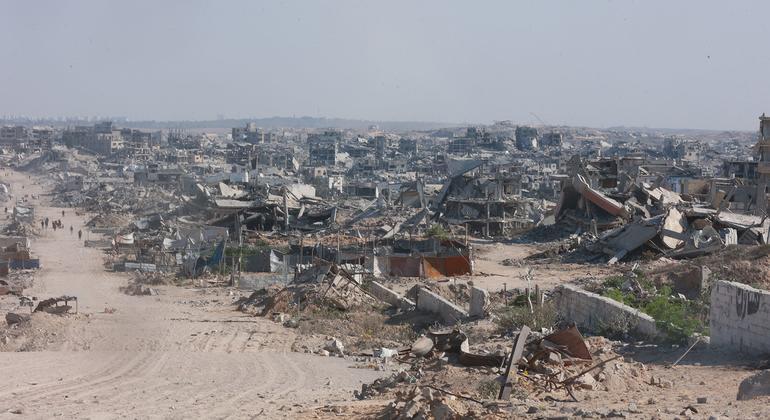
RDNA Finds Gaza Needs More Than $71 Billion Over Next Decade for Recovery
11 sources compared
EU, UN Estimate Gaza Recovery Needs $71.4 Billion Over Next Decade
24 sources compared
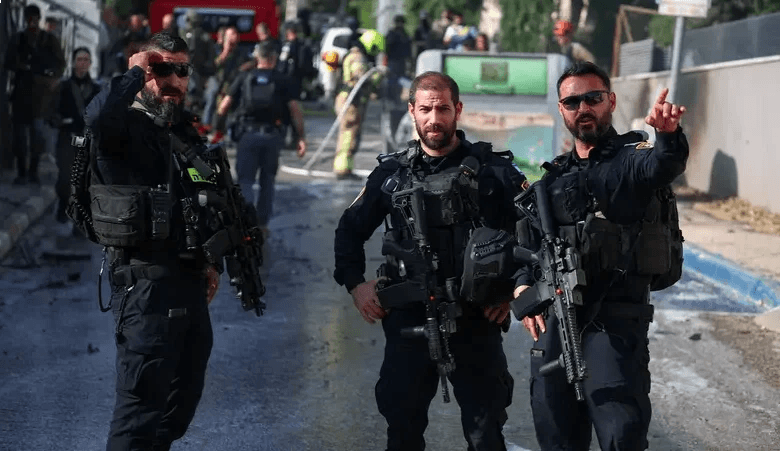
Northern Israel Residents Shut Schools And Shops To Protest Lebanon Ceasefire
11 sources compared
Israeli Attacks Push Gaza Death Toll to 72,551, Injuries Reach 172,274
13 sources compared