
Israeli Strikes Destroy Qasmiye Bridge Over Lebanon’s Litani River, Cutting Off Southern Routes
Key Takeaways
- Qasmiyeh Bridge over the Litani River destroyed by Israeli strikes.
- South Litani region cut off from the rest of Lebanon.
- Lebanon death toll reaches 1,530.
Bridge destroyed, south isolated
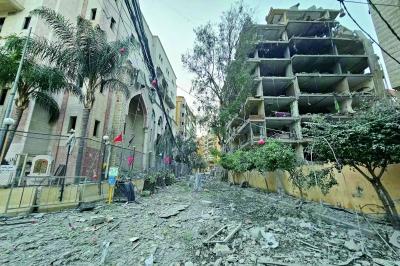
Israeli strikes destroyed the last operational bridge over Lebanon’s Litani River, cutting off major routes linking parts of southern Lebanon to the rest of the country, Al Jazeera reported from Tyre in southern Lebanon.
Al Jazeera’s Obaida Hitto said the strike destroyed the last operational bridge over the Litani River and that the destruction “has cut off major routes linking parts of the south to the rest of Lebanon.”

The Lebanese army said Thursday that Israeli strikes destroyed the Qasmiyeh bridge over the southern Litani River and that the attack “have cut off the area from the rest of the country,” according to Arab News PK.
Naharnet, citing the state-run National News Agency (NNA), said “Enemy aircraft carried out two consecutive strikes on the Qasmieh bridge, the last bridge between the Tyre and Sidon regions, completely destroying it,” and described it as “the final artery connecting the north and south of the Litani River.”
CBC added that the strike “fully sever[ed] almost a tenth of Lebanon from the rest of the country,” citing a senior Lebanese security source.
The Korean outlet 조선일보 reported that the Qasmiye Bridge over the Litani River, “located approximately 30 km north of the Israeli border,” was “completely destroyed,” and said it had served as “the last remaining link connecting southern Lebanon to other regions.”
Ceasefire talks and strike timing
The bridge destruction came amid a broader pattern of strikes on southern Lebanon’s infrastructure, with multiple outlets tying the timing to diplomatic movement.
Arab News PK said the attack was “part of a wave of strikes on the south of the country hours before Donald Trump announced Lebanon and Israel had agreed to a ceasefire, starting Thursday evening.”

CBC likewise described continued fighting and said Israeli warplanes unleashed “an intense barrage of strikes Thursday on the southern town of Nabatiyeh,” while Lebanon’s state-run National News Agency said attacks hit near the town’s industrial zone and outside a supermarket along Nabih Berri Avenue.
조선일보 reported that the airstrikes occurred “amid reports that a U.S.-mediated ‘three-way phone call’ between Israeli and Lebanese leaders was being pursued,” and said Israeli forces struck Nabatiye and Qasmiyeh on the 16th.
Naharnet said the Israeli military “carried out two strikes against a key bridge in the south of Lebanon on Thursday, destroying it,” and added that the Israeli army “carpet bombed the Nabatieh region” and targeted a long list of localities.
The Media Line framed the Litani River as “at the Heart of War and Diplomacy,” describing how “The Israeli army has destroyed all the bridges except one, leaving southern Lebanon even more isolated.”
Casualties, officials, and claims
Lebanese officials and outlets reported different casualty figures tied to the bridge strike and the surrounding attacks, while also describing who was hit.
Arab News PK said the Lebanese army statement added that the strikes “killed one person and wounded three others, among them “a soldier from the unit stationed on the bridge.”
Naharnet, citing the NNA, did not provide a casualty count for the bridge in the excerpt shown, but it described the bridge as “completely destroying it” and said it “isolates localities south of the Litani River from the rest of the country.”
조선일보 reported that the assault “killed at least 11 people, including women and children, and injured dozens,” and said the Qasmiyeh Bridge was “completely destroyed” in the strikes.
CBC described the fighting continuing in the border town of Bint Jbeil and said Israel’s Prime Minister Benjamin Netanyahu told an earlier briefing that the Israeli military was about to “overcome,” while it also reported that Israel intensified aerial bombardment and that on Wednesday it targeted “three teams of medics from Nabatiyeh” in successive strikes, killing four medical workers and wounding six others.
The Media Line did not give a casualty number for the bridge in the excerpt, but it quoted a paramedic, saying “We are not going anywhere,” and described how “an Israeli attack on their center shattered almost all its windows and killed three of his colleagues.”
Diplomacy and refusal to talk
The bridge destruction and the wider strikes unfolded alongside reported disputes over direct contact between Lebanese and Israeli leaders, with Reuters describing Lebanon’s position on calls.
Reuters said “Three Lebanese officials told Reuters on Thursday that President Joseph Aoun would not hold a call with Netanyahu in the near future,” and added that “Two of the Lebanese officials said the Lebanese Embassy in Washington had informed the U.S. administration of the position before a call between Aoun and Secretary of State Marco Rubio on Thursday.”
Reuters also stated that “Hezbollah opposes contact between Lebanon and Israel,” and described Aoun’s view that Israel’s withdrawal would be a “fundamental step to consolidate the ceasefire” so that Lebanese troops could deploy to the south.
CBC similarly reported that “Lebanese officials said the president will not speak to Israel’s prime minister in the near future,” describing it as “a blow to U.S. efforts to expand contacts between the enemy states.”
In the same Reuters excerpt, it said the Israeli security cabinet convened late on Wednesday to discuss a possible ceasefire in Lebanon, and it quoted Tahir Andrabi, spokesperson for Pakistan’s Foreign Ministry, saying “Peace in Lebanon is essential for [Iran] peace talks.”
CBC also included a Trump post on Truth Social, quoting that Trump wrote he was “trying to get a little breathing room” between Israel and Lebanon and that “It has been a long time since the two leaders have spoken, like 34 years. It will happen tomorrow. Nice!”
Wider war impacts and next steps
The bridge destruction is presented in the sources as part of a broader campaign that has produced displacement, casualties, and continued fighting, while also shaping what comes next for southern Lebanon.
CBC said Israeli attacks have killed “more than 2,100 people in Lebanon since March 2” and forced “more than 1.2 million from their homes,” citing Lebanese authorities, while it also said Hezbollah attacks have killed “two Israeli civilians” and that “13 Israeli soldiers have died in Lebanon since March 2, Israel says.”
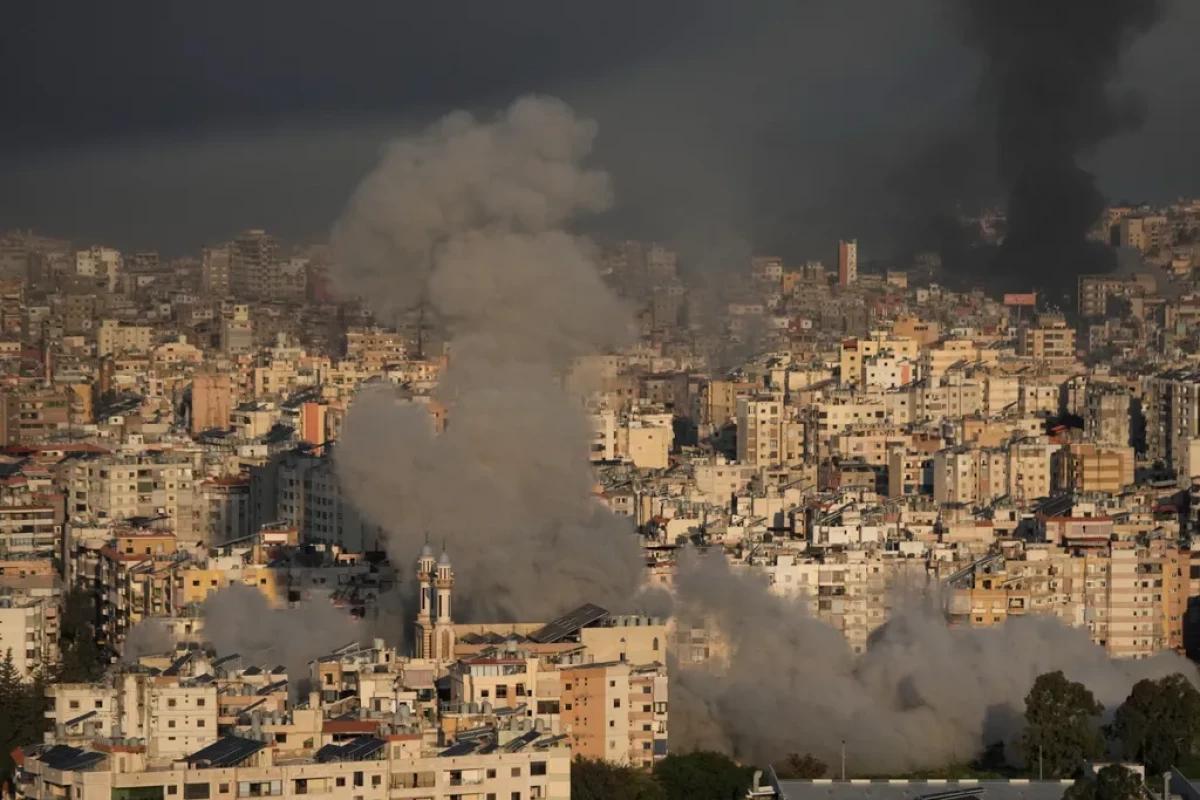
CBC also reported that the Israeli military’s chief of staff said the area south of the Litani would be a “no-go zone for Hezbollah operatives,” reflecting Israel’s declared aim to keep control of a swath of southern Lebanon south of the river.
The Media Line described how “For many in southern Lebanon, the current war carries the feel of an old nightmare revisited,” and said the renewed offensive “has once again emptied roads, battered civilian infrastructure, and pushed families north.”
Naharnet listed additional strikes beyond the bridge, including strikes on “the Dahr al-Baydar road” and “the coastal Saadiyat highway south of Beirut,” and it said the Israeli army targeted numerous localities in the Nabatieh region.
Arab News PK said the Lebanese army described the Qasmiyeh-Tyre coastal bridge as targeted “with the aim of separating the area south of the Litani from its north and isolating it.”
More on Lebanon

Naim Qassem Says Hezbollah Truce With Israel Must Be Two-Sided, Vows Response To Attacks
16 sources compared

Macron Blames Hezbollah for Killing French UNIFIL Peacekeeper in Southern Lebanon
16 sources compared
Israel Attacks Lebanon After Ceasefire, Leaving Nabatieh Residents Returning to Destroyed Homes
35 sources compared
Lebanese Return to South Lebanon After Israel-Lebanon 10-Day Ceasefire Takes Hold
27 sources compared