
Israeli Strikes Kill 39 in Lebanon as Hezbollah Tensions Continue
Key Takeaways
- 39 people killed across Lebanon in a single day of Israeli strikes.
- Southern Lebanon, including Saksakiyeh, bears the highest toll.
- Strikes continued despite a ceasefire, undermining the truce.
Saksakiyeh strike toll 39
Israeli strikes across Lebanon killed at least 39 people, according to the Lebanese health ministry, as tensions between Israel and Hezbollah continued despite an earlier ceasefire announcement.
One of the deadliest attacks hit the southern Lebanese town of Saksakiyeh, where an Israeli strike killed at least seven people, including a child, and injured 15 others, among them three children.
The Israel Defense Forces said the strike targeted Hezbollah operatives allegedly operating from a structure used for military purposes, and added it was aware of reports of civilian casualties.
In Nabatieh, Lebanon’s health ministry said an Israeli drone strike targeted a Syrian man riding a motorbike with his 12-year-old daughter, with the drone carrying out a third strike targeting the injured girl directly, after the pair moved away from the site of the initial strike.
Hezbollah also launched a drone attack into northern Israel, injuring three Israeli soldiers, according to the Israeli military.
Accusations and ceasefire talks
Lebanon’s Health Ministry condemned the attacks, accusing Israel of deliberately attacking civilians and breaching international humanitarian law, while the Israeli military said it was targeting Hezbollah members operating from a building it described as a military site.
The BBC reported the IDF said it was "aware of reports regarding harm to uninvolved civilians," and that steps were taken to mitigate the risk of harm to civilians as much as possible, including the use of precise munitions and aerial surveillance.

In Washington, the US is pushing to turn the ceasefire into a broader political settlement between Israel and Lebanon, with representatives of both countries due to hold a third round of talks in Washington on May 14 and 15, according to a US State Department official.
The National reported that US Secretary of State Marco Rubio said peace remains possible but would require Lebanon’s government to strengthen its ability to confront Hezbollah, which is not part of the talks but has largely observed the ceasefire.
The National also said the UN warned the situation risks sliding back into a wider conflict if the ceasefire framework collapses, as Israel intensified strikes in southern Lebanon and Hezbollah fired on Israeli army positions across the border.
What comes next and who pays
Lebanon’s health ministry said Israeli attacks have killed more than 120 people across the country over the past week, including women and children, while not distinguishing between civilians and combatants.
The BBC reported that the Israeli military occupies a strip of Lebanese land along the border, and officials say the aim is to create what they describe as a Hezbollah-free security zone to protect Israel's northern communities.
The National said diplomatic efforts are taking place alongside a sharp rise in violence, and that regional mediators said the Washington talks are intended to build on the fragile truce and establish clearer security arrangements along the border.
In the same reporting, the National said both sides remain far apart on core issues including Hezbollah’s role in southern Lebanon and Israel’s continued military operations.
The New York Times described the Saturday strikes as eroding the cease-fire, quoting Ali Khalil, a resident of Al-Baisariyah, saying, "So many people are getting killed for no reason."
More on Lebanon
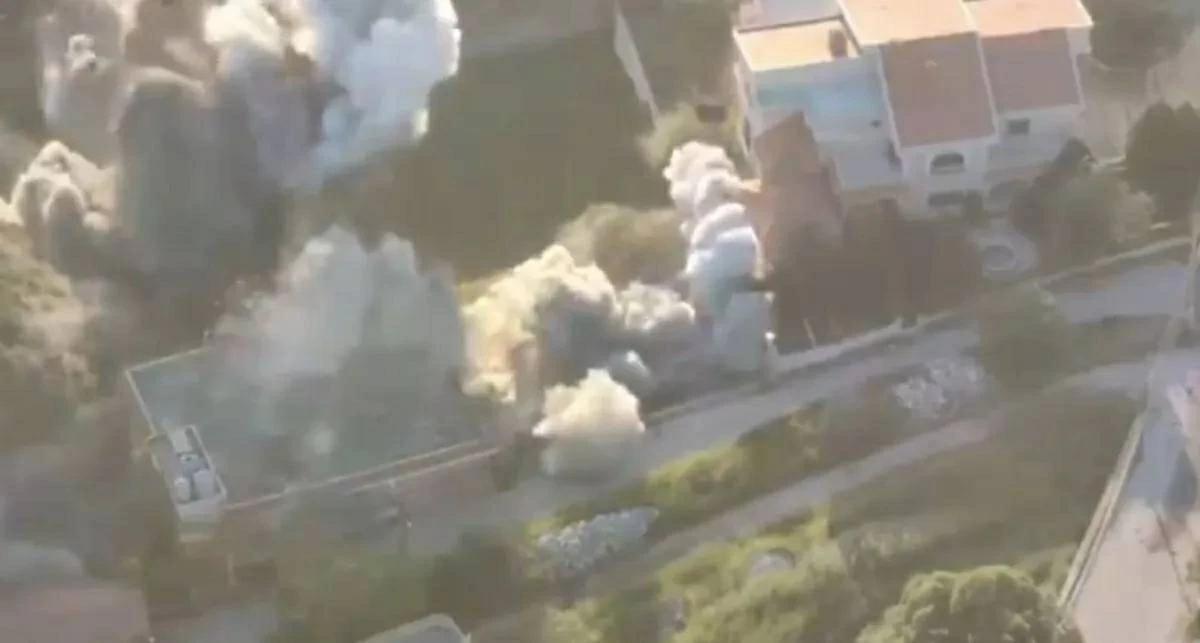
Israeli Attacks Kill 51 in Lebanon, Including Two Medical Workers
10 sources compared
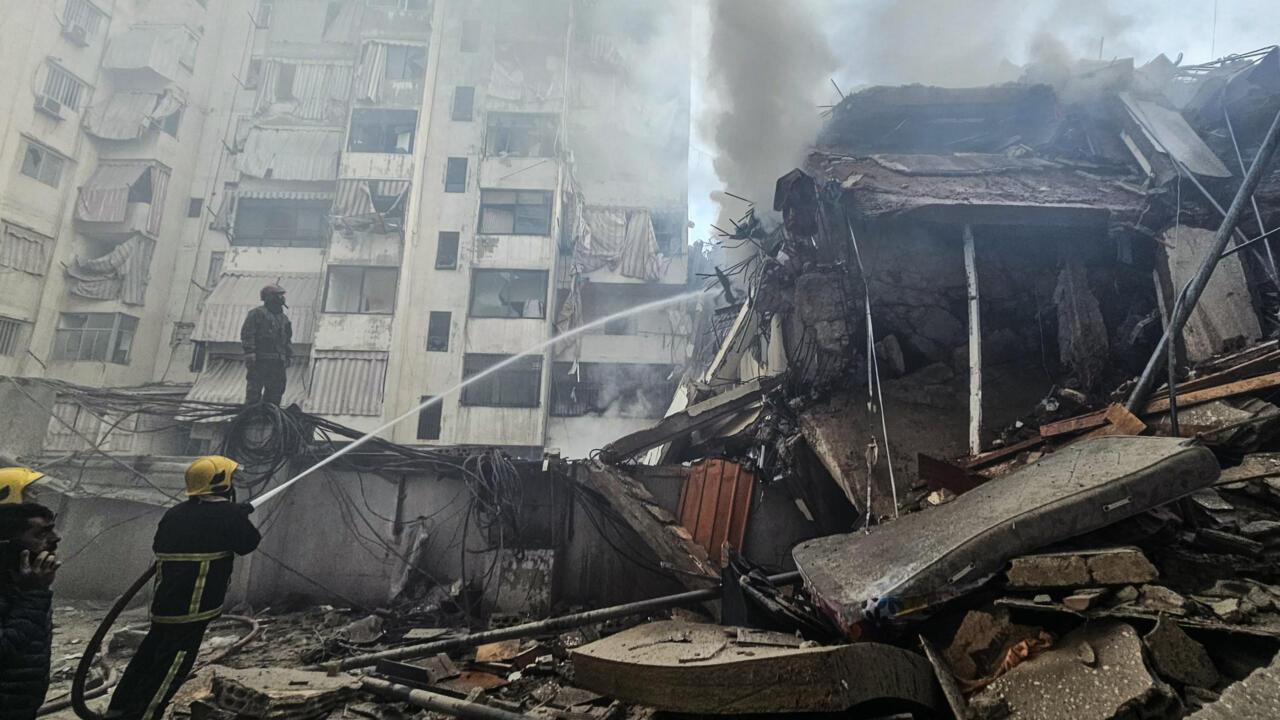
Israeli Attacks Kill 51, Including Two Medical Workers, In Lebanon’s Qalawiya And Tibnin
18 sources compared
Hezbollah Destroys Four Israeli Merkava Tanks After IED Explosion Near Deir Srian
14 sources compared
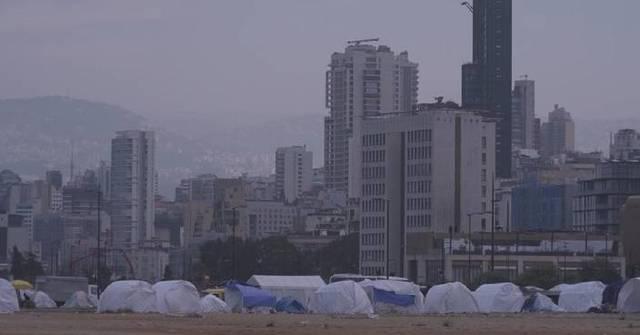
EU Crisis Chief Hadja Lahbib Says Israeli Activity Restricts Humanitarian Aid Access in Lebanon
12 sources compared