
Israeli Strikes Kill Three People In Hawsh Al-Sayyed Ali And Majdal Selm, Lebanon
Key Takeaways
- Three people were killed in Israeli airstrikes in southern Lebanon.
- Timing disputed: Anadolu cites dawn Monday strikes; Le Figaro cites Thursday strikes.
- Ceasefire fragile; ongoing Israeli operations in southern Lebanon.
Ceasefire, strikes, deaths
Lebanon’s fragile ceasefire has not stopped Israeli strikes and artillery fire across southern Lebanon, with multiple outlets describing fresh fatalities and injuries in the days covered by their reports.
Le Figaro said Israeli strikes on Lebanon on Thursday killed a total of three people, citing the Lebanese Ministry of Health, while Israel said it had killed a fighter from an Iranian elite unit and a member of Hezbollah.

Le Figaro reported that the Health Ministry said an Israeli enemy strike on a vehicle in the town of Hawsh al-Sayyed Ali, in the Hermel district, killed two people, and that the ministry later announced another person had been killed in an Israeli strike on Majdal Selm in southern Lebanon.
Anadolu Ajansı reported that three people were killed since dawn on Monday in Israeli airstrikes targeting several towns in southern Lebanon, including a strike at dawn on Monday targeting a building in al-Shahabiya that resulted in a “martyr” and a wounded person.
Anadolu Ajansı also said a strike targeting a motorcycle in Majdal Selm killed one person and wounded two others, and that a third strike hit al-Hinniya in the Sidon District, killing one person and wounding another.
Al Jazeera’s Arabic-language report described a wider pattern of killings and injuries, saying the Israeli army had killed 12 people and wounded two in Lebanon since predawn Thursday, and that the Lebanese Ministry of Health said the death toll from the widening Israeli aggression had risen to 72 killed and 437 wounded from Monday through yesterday (Wednesday).
Majdal Selm and the “Yellow Line”
In southern Lebanon, Majdal Selm appears repeatedly in reporting that ties ongoing attacks to the geography of the border area and to evacuation warnings.
L’Orient Today described Majdal Selm as “six kilometers from the Israeli border,” saying the village “has been regularly targeted by Israeli strikes and artillery fire during the latest war,” and that on Friday, April 17—the first day of the cease-fire between Israel and Lebanon—a teenager was killed by “unexploded Israeli munitions left behind in the town.”

The same L’Orient Today portfolio said the town in the Bint Jbeil district had “already been heavily destroyed by the Israeli army during the 2024 war,” and it framed the village for residents as “above all a place of reunions, at a grandmother's house.”
In parallel, annahar reported that despite the ceasefire declared between Lebanon and Israel, the Israeli army continued operations in southern Lebanon by announcing the “Yellow Line” project, while a drone was spotted flying over Beirut.
annahar quoted Israeli army spokesperson Avichay Adraee issuing an urgent message on X, stating: “During the ceasefire period, the army continues to be stationed at its positions in southern Lebanon in response to ongoing Hezbollah activities.”
The same report included Adraee’s warning that, “for your safety and that of your loved ones, and until further notice, we advise you not to move south of the following villages and their surroundings,” listing Majdal Selm among many villages.
Bridges, connectivity, and aid
Beyond strikes on towns, the reporting also highlights attacks on infrastructure in southern Lebanon, especially bridges over the Litani River, which Lebanese officials described as cutting civilian movement and humanitarian access.
“Despite the ceasefire declared between Lebanon and Israel, the Israeli army continues to carry out operations in southern Lebanon, announcing the 'Yellow Line' project, while a drone was spotted flying over the Lebanese capital, Beirut”
Al-Sharq Al-Awsat reported that Israeli warplanes on Monday destroyed the bridge in the town of Qa'qa'iya al-Jisr in southern Lebanon, which connects the Nabatieh region to the Wadi al-Hijr and the Ghendouriya sector, and it said a “fierce airstrike” launched “today.”
The same report said Israeli airstrikes had targeted yesterday the Qasmiya Bridge on the coastal highway over the Litani River, “which led to its destruction as well,” and it described additional strikes and shelling that left “3 people dead and 6 others injured,” according to the National News Agency.
Al-Sharq Al-Awsat said a strike targeted a motorcycle in Majdal Salam, killing one person and injuring two, while artillery shelling on al-Haniya (Sidon District) left one dead and one injured, and it said an airstrike on al-Shahabiyeh killed one person and injured four others with moderate wounds, causing “significant damage in a residential neighborhood.”
The report also said artillery shelling caused “substantial damage to the town of Tebnin,” affecting homes and commercial shops, and that Civil Defense teams worked to remove rubble to reopen roads.
In the political framing, Al-Sharq Al-Awsat quoted Lebanese president Joseph Aoun saying targeting bridges over the Litani River “aims to sever the geographic connectivity between the southern Litani and the rest of Lebanon and to hinder the delivery of humanitarian aid.”
Escalation timeline and competing claims
Several outlets connected the renewed violence to a broader escalation timeline and to disputes over what Israel says it is targeting versus what Lebanese reporting says is happening to civilians.
Anadolu Ajansı said the raids came “amid an expansion of Israeli strikes on Lebanon since March 2,” and it linked that expansion to “Washington and Tel Aviv” beginning “on February 28 a continuing aggression against Iran,” which it said left “hundreds dead, including Supreme Leader Ali Khamenei.”
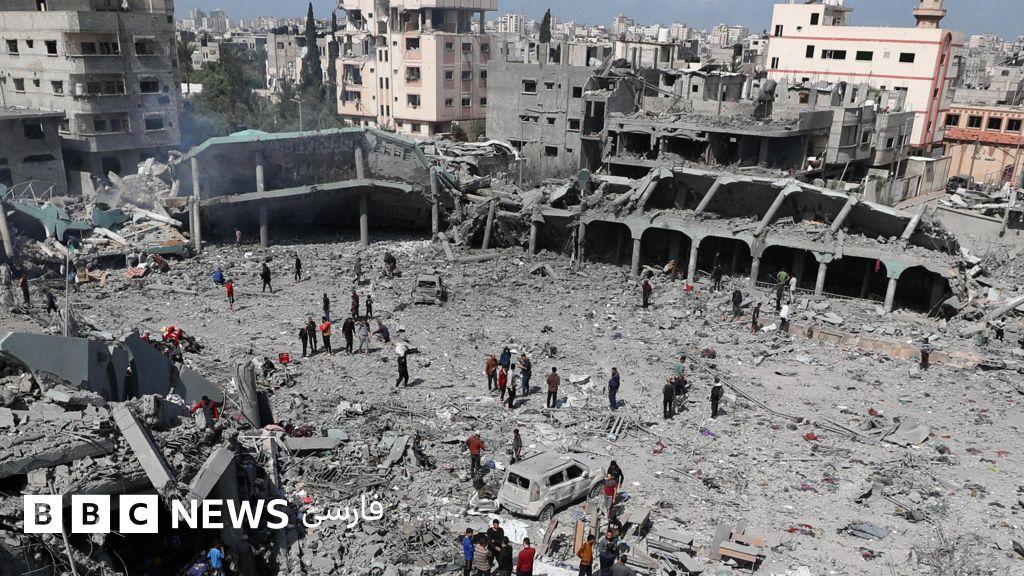
Anadolu Ajansı also described that “On March 2, Hezbollah, Iran's ally, attacked a military site north of Israel in response to its ongoing attacks on Lebanon despite the ceasefire in effect since November 2024,” and it said “Israel, on the same day, launched a new assault on Lebanon via airstrikes on the southern suburbs of Beirut.”
The same Anadolu Ajansı report said that “as of Sunday evening” the Israeli aggression on Lebanon had left “1,029 dead, 2,786 injured, and more than a million displaced, according to Lebanese authorities.”
Al Jazeera’s report, meanwhile, described the widening aggression in terms of attacks on families and evacuation warnings, saying the Israeli army renewed its warning to residents in wide swaths of southern Lebanon to evacuate immediately.
Al Jazeera wrote that “While the Israeli army says it is attacking Hezbollah infrastructure, the Lebanese News Agency says many of its strikes are hitting civilians,” and it added that Israel had continued to breach the ceasefire “almost daily.”
Accountability, scrutiny, and warnings
The reports also show how officials and political actors framed responsibility and what they said would happen next, including investigations and continued operational warnings.
“Lebanon: three dead in strikes attributed to Israel, according to authorities”
Le Figaro said Lebanon’s Ministry of Health reported the fatalities from strikes attributed to Israel, while Israel said it had killed a “terrorist” from the Quds Force and a “Hezbollah terrorist” near Majdal Selm, naming Hussein Mahmoud Marchad al-Jawhari as the Quds Force operative Israel said it killed.
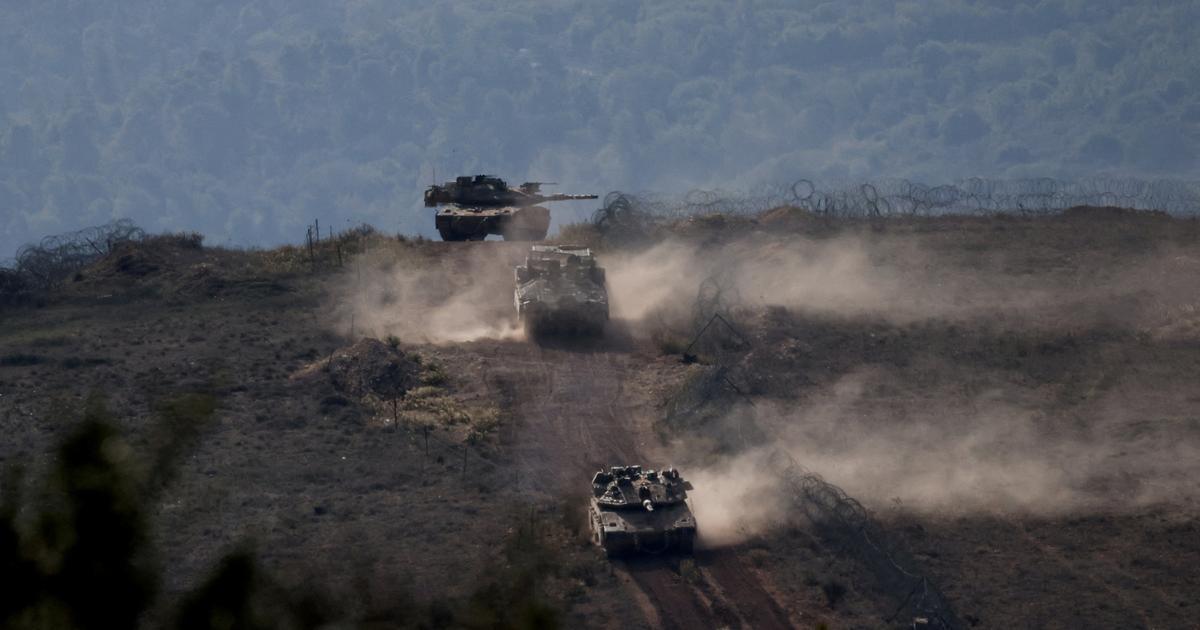
Le Figaro also described the ceasefire context, saying that despite a ceasefire that ended more than a year of hostilities in November 2024, “the Israeli army continues to regularly carry out strikes on Lebanese territory,” and it quoted the Israeli rationale that it targets Hezbollah.
In the political and legal framing, Le Figaro said that under “strong American pressure” and amid concerns about an intensification of Israeli strikes, Lebanon committed, “as provided for by the ceasefire agreement,” to disarm Hezbollah and to dismantle by the end of the year its military structures between the Israeli border and the Litani River.
In parallel, annahar’s report presented the Israeli operational posture through evacuation and movement restrictions, with Adraee advising residents “not to move south” of a long list of villages and forbidding approaching the Litani River and the Salhani and Saluki valleys.
L’Orient Today’s portfolio, though focused on daily life, still tied the ceasefire to immediate danger by describing the teenager killed by “unexploded Israeli munitions left behind” in Majdal Selm on April 17, the first day of the cease-fire between Israel and Lebanon.
More on Lebanon
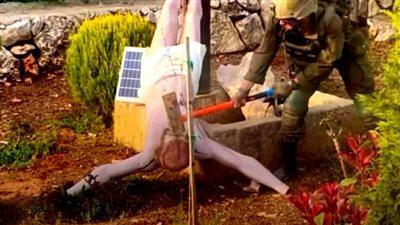
IDF Investigates Soldier Smashing Jesus Statue With Sledgehammer in Southern Lebanon
20 sources compared

Israeli Soldier Vandalizes Jesus Statue in Debel, Lebanon, Netanyahu Orders Criminal Probe
12 sources compared

IDF Reestablishes South Lebanon Security Zone During Trump’s 10-Day Ceasefire Along the “Yellow Line”
22 sources compared
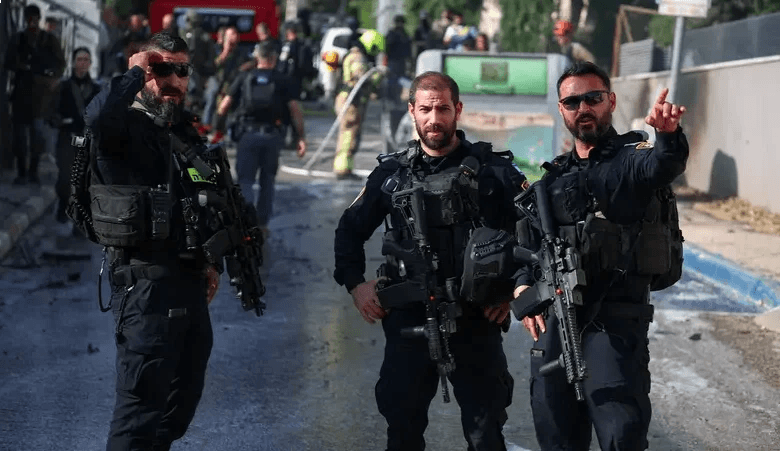
Northern Israel Residents Shut Schools And Shops To Protest Lebanon Ceasefire
11 sources compared