
Israeli Triple-Tap Strikes Kill Four Paramedics in Mayfadoun, South Lebanon
Key Takeaways
- Four paramedics killed and six wounded in Mayfadoun, southern Lebanon, during a triple-tap strike.
- Ambulance crews described the attack as a triple-tap hitting medics aiding colleagues after previous bombings.
- Eyewitness footage and testimonies corroborate the three-strike sequence of the assault.
Triple-tap on medics
In south Lebanon, ambulance workers described an Israeli “triple-tap” targeted-strike sequence that killed four paramedics and wounded six as medics tried to aid colleagues injured in two previous bombings.
Al Jazeera reported that video from the attack showed “a barrage of fire hitting the medics as they aided their colleagues injured in two previous bombings,” and said the incident killed four paramedics and wounded six.

The same incident was described by ImpACT International as Israel’s “triple strikes on April 15, 2026, in Mayfadoun, southern Lebanon,” which “killed four paramedics and wounded six others in rapid succession.”
ImpACT International placed the action in the “late morning haze of Mayfadoun village, Nabatieh province,” describing an initial Israeli airstrike that cratered the area and drew first responders from the Hezbollah-affiliated Islamic Health Committee.
It then said a drone strike “obliterated their position,” claiming paramedic “Mahdi Abu Zaid” as he was volunteering, and described a second team from the Amal movement’s Risala Scout Association arriving only to face another blast that “demolished ambulance windows.”
The National added that the rescue decision was made under extreme threat, describing Israeli strikes that turned rescue operations into “suicide missions,” and said the “sky was heavy with the sound of warplanes and the low flight of drones.”
Across the accounts, the core pattern was the same: medics moved to help after earlier blasts, and then additional strikes hit the response teams.
How the strikes unfolded
The accounts place the “triple-tap” sequence in Mayfadoun, in Nabatieh province, and describe a rapid escalation that repeatedly struck as teams arrived.
ImpACT International said the tragedy unfolded “in the late morning haze of Mayfadoun village, Nabatieh province,” after “an initial Israeli airstrike cratered the area,” which “drew the first responders from the Hezbollah-affiliated Islamic Health Committee.”

As those responders arrived, ImpACT International said “a drone strike obliterated their position,” and it named paramedic “Mahdi Abu Zaid, who had a 4-year-old son and sold spices and nuts when he wasn’t volunteering,” attributing the detail to eyewitness Mohammed Jaber.
ImpACT International then described a second wave: “Mere minutes later, a second team from the Amal movement's Risala Scout Association sped in to extract the fallen and wounded,” only to be hit by “a shattering blast that demolished ambulance windows and scattered shrapnel.”
It said GoPro helmet footage from survivors captured “flames licking at medics desperately aiding bloodied colleagues amid acrid smoke and screams,” and described “the third consecutive strike that felled two more paramedics as vehicles loaded casualties.”
The National’s narrative, while focused on a later day’s rescue decisions, described the same operational logic of waiting and then being struck again, saying “As rescuers, when there’s a strike, we wait briefly because we know they might attack a second time.”
It also described the intensity of the bombardment around the rescue crews, saying “A first thunderous boom shook the hill where they stood, followed closely by a cluster of others,” and that “Thick smoke coated the air.”
Together, the sources portray a pattern in which response teams are repeatedly targeted during the moments they attempt to retrieve the injured and move casualties.
Voices from the scene
Multiple named medics and officials described the strikes as deliberate targeting of rescue teams rather than incidental damage.
“Israel's triple strikes on April 15, 2026, in Mayfadoun, southern Lebanon, killed four paramedics and wounded six others in rapid succession, exposing a calculated assault on the region's healthcare system amid the intensifying Israel-Hezbollah conflict”
ImpACT International quoted Nabatiyeh Emergency Services chief Mohammed Suleiman consoling his distraught niece Israa Jaber, asking: “They should be targeting fighters, where the fighting is happening, at the border. Why target medics and civilians? So that life becomes unbearable and people tell Hezbollah to give up?”
The National quoted Mehdi Salloum of the Nabatieh Ambulance Service explaining the decision-making under threat, saying, “The [Israelis] always do this.”
It also quoted Gabi Zalghout, a “young paramedic with the Islamic Health Authority,” saying, “They were clearly monitoring us, watching what we were doing,” and later, “This is not the first time, they always target us,” adding, “But not like this.”
The National also provided Gabi’s account from a hospital bed, where he said, “I found an ambulance that was damaged but still running. I started carrying them into the ambulance,” and described his choice as, “Either I was going to leave with the living, or I wouldn’t leave at all. They were the priority. I had to leave those who were killed on the ground.”
In ImpACT International, eyewitness Mohammed Jaber watched paramedic “Mahdi Abu Zaid” crumple “lifelessly,” and the narrative included a vow from rescuer Abbas Atwi, who said, “steadfastness despite trauma.”
Al Jazeera’s account, meanwhile, emphasized the medics’ attempt to help colleagues injured in “two previous bombings,” framing the “triple-tap” as a sequence that struck while they were working.
Taken together, the sources present a consistent set of voices—emergency service leaders, paramedics, and eyewitnesses—describing repeated attacks on medical responders.
Pattern of “double-tap”
The National described a broader operational pattern in which medics expect follow-on strikes, and it connected that expectation to the “double-tap” tactic described as targeting first responders shortly after an initial strike.
The article said, “Medics told The National they have witnessed double-tap attacks countless times,” and described the tactic as “carrying out a second strike shortly after the first, targeting first responders as soon as they arrive, to maximise casualties.”
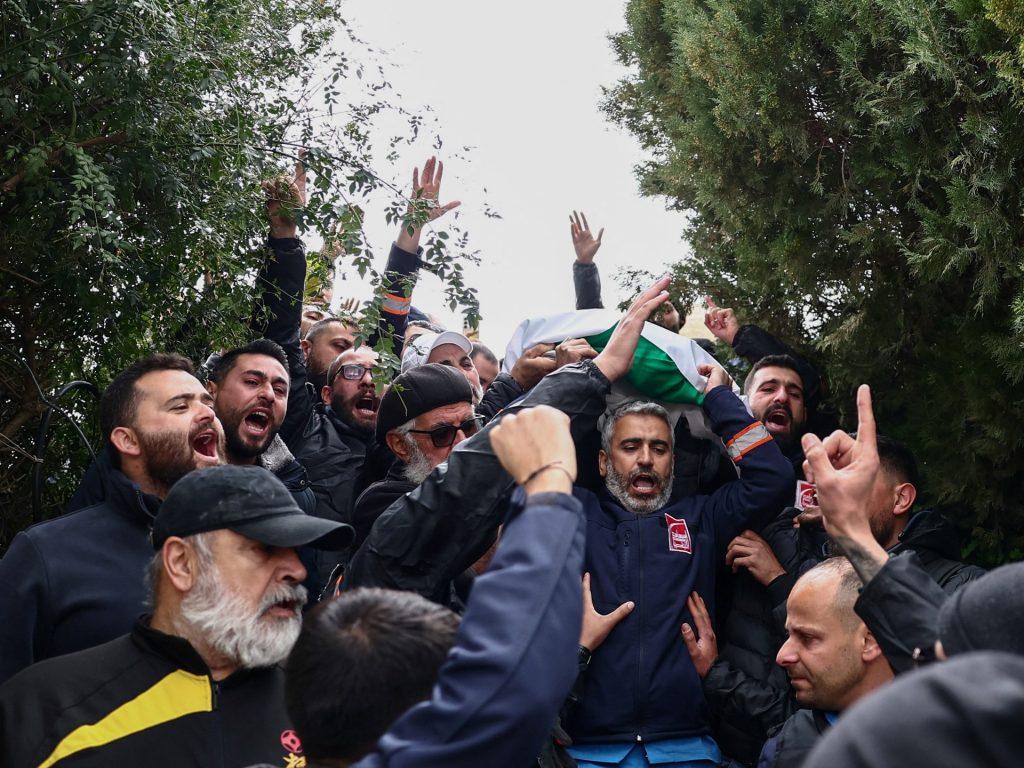
It added that this was described as “a violation of international humanitarian law,” and said Gabi Zalghout reported having witnessed “five previous double-tap attacks.”
The National then argued that the Wednesday incident was “the most blatant yet,” with witnesses describing it as “a quadruple-tap attack,” and quoted Gabi: “This is not the first time, they always target us,” but “But not like this.”
The National also stated that “Israel has killed more than 90 paramedics in Lebanon since the current war with Hezbollah started,” and said “Human Rights Watch and other groups have denounced repeated attacks on healthcare workers and paramedics as apparent war crimes.”
It further described the Israeli army’s position, saying “the Israeli army claims Hezbollah uses Islamic Health Authority ambulances to transport weapons,” while noting that “it has not provided evidence for such claims.”
Al Jazeera’s framing of the “triple-tap” similarly emphasized that the medics were hit while aiding colleagues injured in “two previous bombings,” reinforcing the idea of sequential strikes during rescue efforts.
ImpACT International likewise described “the third consecutive strike” and said “This relentlessly attrition” and “contravenes core human rights tenets embedded in the Geneva Conventions,” while also describing “ambulances—symbols of neutrality—become lures in a lethal cycle.”
Stakes for Lebanon’s health response
The sources portray the “triple-tap” and related attacks as threatening the ability of Lebanon’s health sector to function in the south, with medics describing repeated strikes that force rescue teams to weigh whether to go in at all.
ImpACT International said the incident “exposing a calculated assault on the region's healthcare system” and described “a broader state policy of infrastructure degradation, systematically targeting medical assets to undermine civilian endurance south of the Litani River.”

It also said “over 50 healthcare workers” had been killed and “150 maimed since the border flare-up,” while Lebanon’s Health Ministry tallying “at least 100 medical personnel fatalities across the south.”
ImpACT International added that the World Health Organization “documents 59 primary health clinics shuttered by Israeli fire,” and described “the total razing of Jibsheet's Islamic Health Committee outpost last month,” while saying “Tebnine Governmental Hospital absorbed dual strikes within three days,” injuring “11 staffers” and “gutting emergency wings, pharmacies, oxygen supplies, and life-sustaining ventilators.”
The National described how the danger reshaped rescue operations, saying the order came as civil defence teams stood near Najdeh Hospital and that the decision from the top was “Suicide mission.”
It also quoted Mehdi Salloum describing the limits of protection, saying, “We wear helmets, vests, gloves,” and “Beyond that, nothing can protect you.”
Al Jazeera’s account stated that “At least 100 medical workers have been killed in deliberate Israeli attacks,” and described the “triple-tap” as a sequence that killed paramedics while they were responding to earlier bombings.
Even the alternative outlets echoed the same immediate stakes, with Oz Arab Media describing the incident as an Israeli strike that “kills four paramedics in south Lebanon” and noting that it occurred “while the medics were responding to previous bombings.”
Together, the sources depict a health system under pressure where repeated strikes on ambulances and rescue teams raise the cost of every attempt to reach the wounded.
More on Lebanon

Naim Qassem Says Hezbollah Truce With Israel Must Be Two-Sided, Vows Response To Attacks
16 sources compared

Macron Blames Hezbollah for Killing French UNIFIL Peacekeeper in Southern Lebanon
16 sources compared
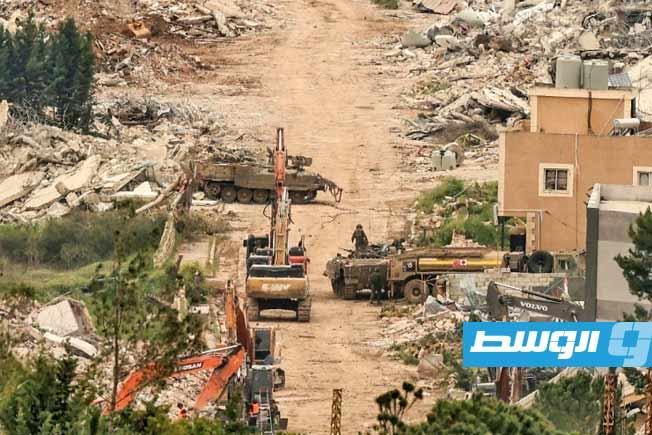
Israel Attacks Lebanon After Ceasefire, Leaving Nabatieh Residents Returning to Destroyed Homes
35 sources compared
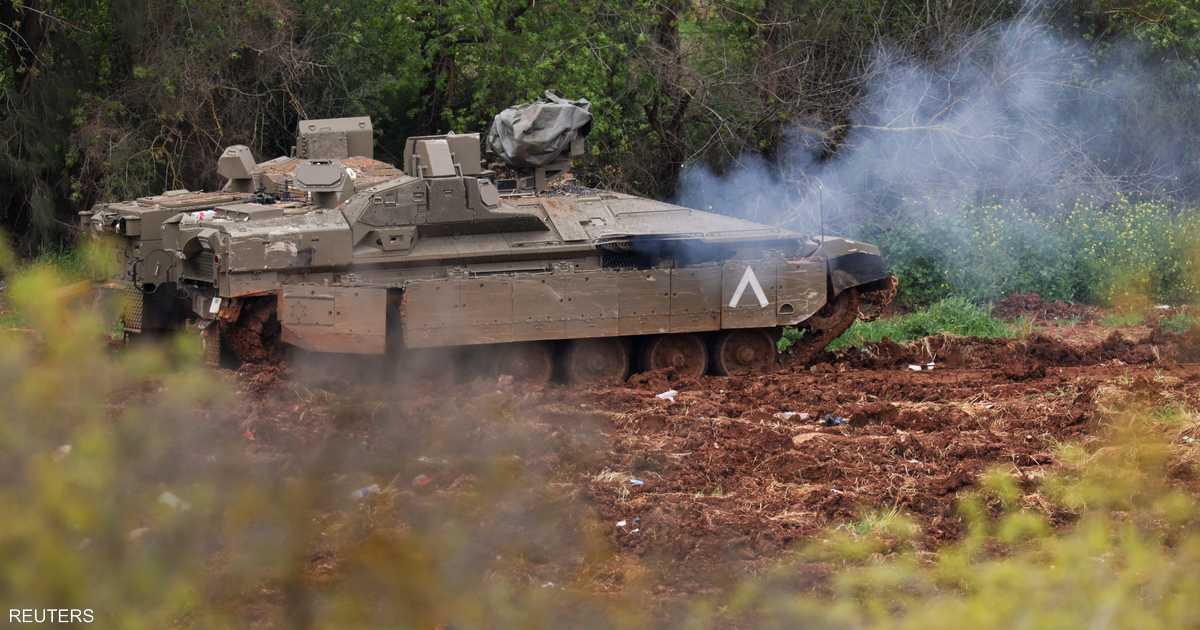
Lebanese Return to South Lebanon After Israel-Lebanon 10-Day Ceasefire Takes Hold
27 sources compared