Gaza Genocide23 October, 20253 min read
Israel’s Blockade Causes Widespread Malnutrition Among Pregnant Women and Children in Gaza, Threatening Generations
This article is an automated aggregation of coverage from news outlets. Our editorials offer in-depth analysis curated by the NewsCord team.
Malnutrition affects over 250,000 women and girls in Gaza, including 55,000 pregnant and breastfeeding women. UN and WHO warn malnutrition will cause lifelong health problems and generational impacts on Gaza’s children.

12 outlets told this the same way.
Outlets did split on Israel Marks Oct. 7 Anniversary With Strikes on Gaza, Netanyahu Faces Election After Nova Tribute →
Aid Restrictions and Health Crisis
Israel’s restrictions on aid delivery and confiscation of medical supplies are driving widespread malnutrition among pregnant women and infants in Gaza.
“Despite a ceasefire since October 10, aid deliveries remain insufficient—only 200-300 trucks enter daily compared to the 600 needed—and are further restricted by Israeli measures, including confiscation of medical supplies and conditions linked to hostage negotiations.”
Health leaders warn that today’s deprivation will harm children for life.

The World Health Organization warns of a looming health crisis caused by a collapsed healthcare system, famine, and disease outbreaks.
Aid entering Gaza is far below needs, with only 200–300 trucks daily compared to the required 600.
Israeli measures further restrict aid, including confiscation of medical supplies and conditions linked to hostage negotiations.
The United Nations Population Fund reports that one in four people in Gaza faces hunger, including about 11,500 pregnant women.
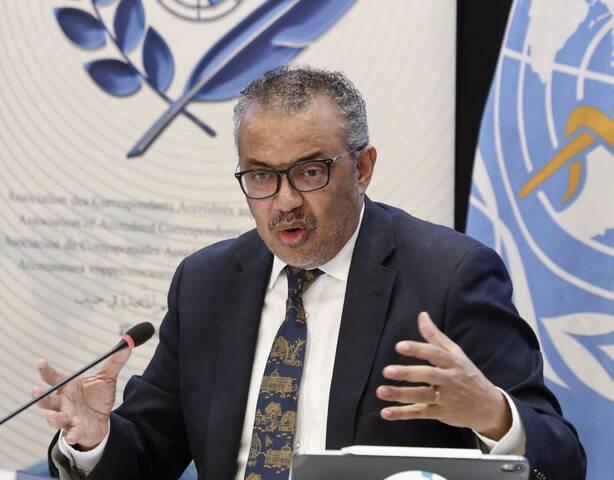
Dr. Tedros urges Israel to separate humanitarian aid from conflict conditions and condemns political conditions tied to Israeli hostages.
He stresses that aid must not be used as a weapon.
Together, these documented restrictions and shortages are pushing pregnant women and babies toward acute malnutrition and long-term health damage.
Maternal and Neonatal Crisis in Gaza
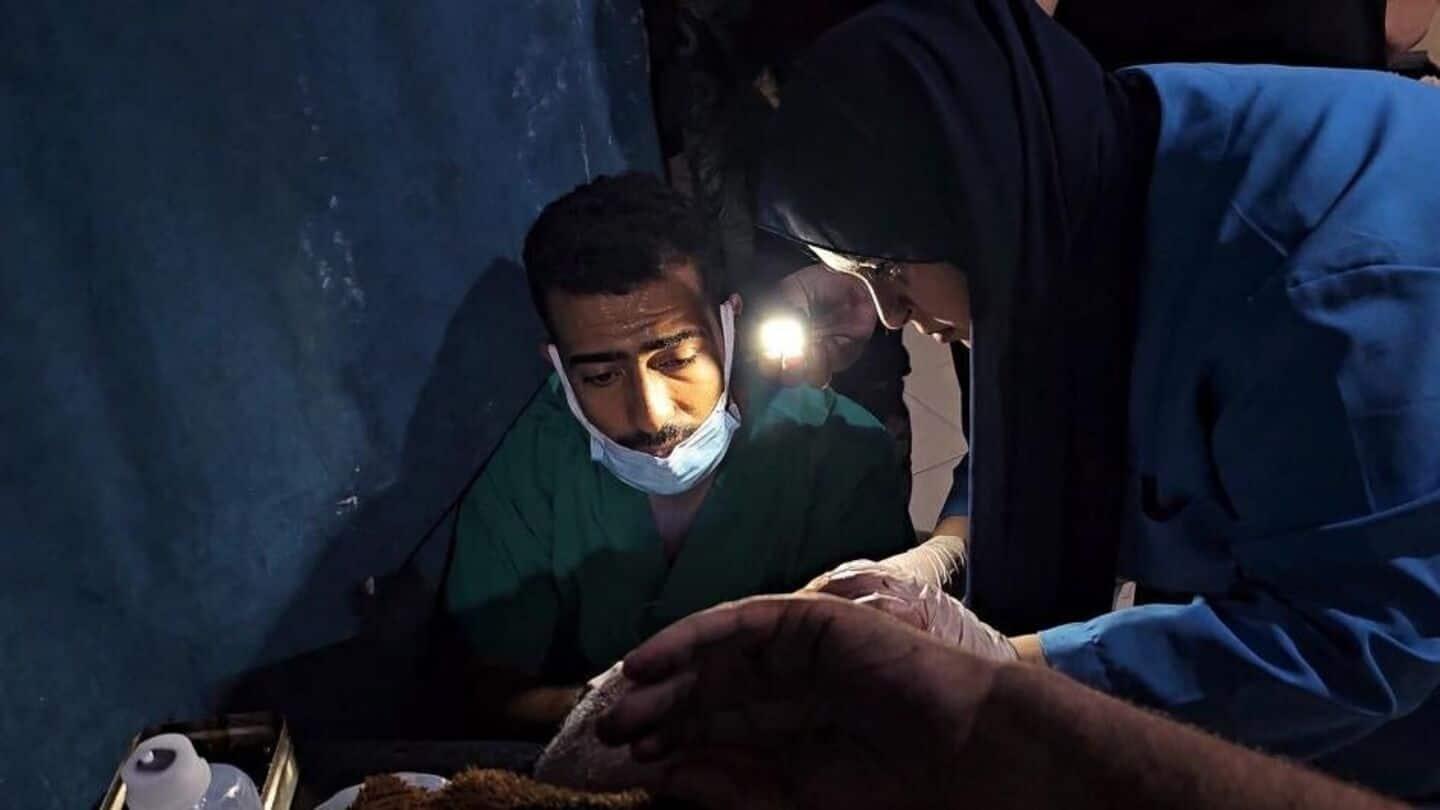
The maternal and neonatal emergency in Gaza is staggering. UNFPA reports that premature births and low birth weights have surged to 70% of newborns, up from 20% before October 7, 2023. Neonatal units are operating at over 170% capacity, with multiple babies sharing incubators.
One-third of pregnancies are now considered high risk. Only 15% of health facilities can provide emergency obstetric care because 94% of hospitals are damaged or destroyed. WHO warns of famine and disease on top of a collapsed health system.
Thousands of Palestinians are awaiting medical evacuations, and many are dying while waiting. Although some food aid has reached Gaza, it remains insufficient to meet daily needs.
WHO leadership insists that access must be unrestricted and free from political interference. The result is a generational health catastrophe for mothers and infants under conditions tightened by Israel through aid restrictions.
Impact of Israeli Actions on Palestinians
Several sources directly attribute large-scale Palestinian deaths and devastated civilian infrastructure to Israeli actions. One West Asian outlet explicitly calls these actions genocide. Al-Jazeera Net claims Israeli actions since October 7, 2023, have killed 68,234 Palestinians—mostly women and children—injured 170,373, and damaged 90% of civilian infrastructure.
“US Vice President JD Vance plans to visit the region to support the ceasefire, which has faced violations including attacks on Israeli soldiers and Israeli strikes killing Palestinians.”
The article states that the US under President Donald Trump supported these actions and describes them as genocide. Kashmir Reader reports a “fragile ceasefire” marred by Israeli strikes killing Palestinians and Qatar accusing Israel of breaching the ceasefire. BBC, while not using the term genocide, documents WHO warnings of famine, disease, and system collapse.
This cross-reading shows Israel killing Palestinians on a massive scale and wrecking systems that sustain life. West Asian coverage explicitly names genocide, while Western mainstream coverage emphasizes humanitarian collapse and access restrictions.
Aid Challenges Amid Ceasefire
Ceasefire and access narratives diverge but converge on one point: aid has been curtailed and politicized, with civilians paying the price.
BBC reports that even since October 10 the supposed ceasefire has not translated into adequate relief; aid is far below needs and restricted by Israeli measures, including confiscating medical supplies and tying access to hostage conditions.
NewsBytes reports aid shipments were briefly stopped after an attack on Israeli troops, then resumed under international pressure.
Dr. Tedros urged Israel to separate aid from conflict conditions and insisted aid must not be weaponized.
Arise News relays Tedros’s condemnation of political conditions tied to Israeli hostages and calls on the US to ensure humanitarian access.
Kashmir Reader underscores the fragile ceasefire and reports Israeli strikes killing Palestinians.
These accounts show Israeli policies and strikes continuing to harm civilians while aid is leveraged, prolonging the maternal‑child emergency.
Media Focus on Gaza Health
Coverage itself shapes accountability for Gaza’s mothers and children. PMNCH highlights that health stories are often overlooked in mainstream news unless tied to crises and calls for ethical, well‑resourced reporting that keeps women’s and children’s health central. This “meta” view contrasts with خبرگزاری بین المللی قدس’s granular data on high‑risk pregnancies and overwhelmed neonatal units, and with Al‑Jazeera Net’s framing of genocide and US support under Trump.
“It emphasizes that health stories often get overlooked in mainstream news unless linked to crises, despite public interest in such topics.”
Arise News warns of deep, lasting consequences and mental‑health burdens for future generations. Bringing these strands together shows why reporters must foreground maternal‑child health when documenting Israel’s restrictions and strikes that are devastating civilian life.