Israel’s E1 Settlement Plan Threatens Palestinian State, Builds 3,401 Housing Units in West Bank
Key Takeaways
- E1 project constitutes broader settler-colonial expansion threatening Palestinian statehood.
- Palestinian leadership says measures aim to uproot Palestinians and displace communities.
- Land-registry initiatives and related legal changes consolidate control over West Bank.
E1 plan and Gaza war
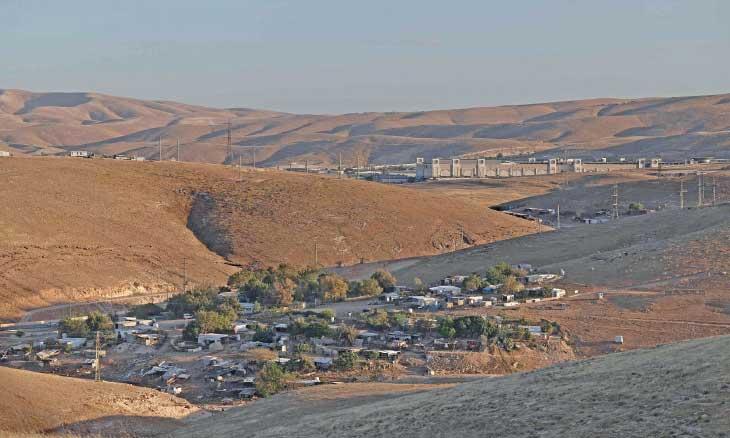
Israel’s controversial E1 settlement plan is described by the BBC as threatening to “bury the idea of a Palestinian state,” with the project aiming to build 3,401 housing units in the occupied West Bank between East Jerusalem and the Ma'ale Adumim settlement.
“What is Israel's controversial E1 settlement plan, which threatens to 'bury the idea of a Palestinian state'”
The BBC says the far-right Israeli Finance Minister backed the project, calling it a “historic achievement,” and it notes that the Palestinian Foreign Ministry called it a “continuation of genocidal, displacement and annexation crimes.”

The BBC frames the E1 site as strategically positioned to separate the southern and northern parts of Jerusalem and prevent a contiguous Palestinian urban area linking Ramallah, East Jerusalem, and Bethlehem.
In a separate thread of the same conflict, WAFA reports Prime Minister Mohammad Mustafa said the Gaza Strip is seeing “the war of destruction, starvation, and displacement,” while he said West Bank settlement expansion and annexation are being imposed.
WAFA also says Mustafa described the occupation project as seeking to make “the absence of an independent Palestinian state a reality that the world can accept and coexist with.”
Roads, registration, and resistance
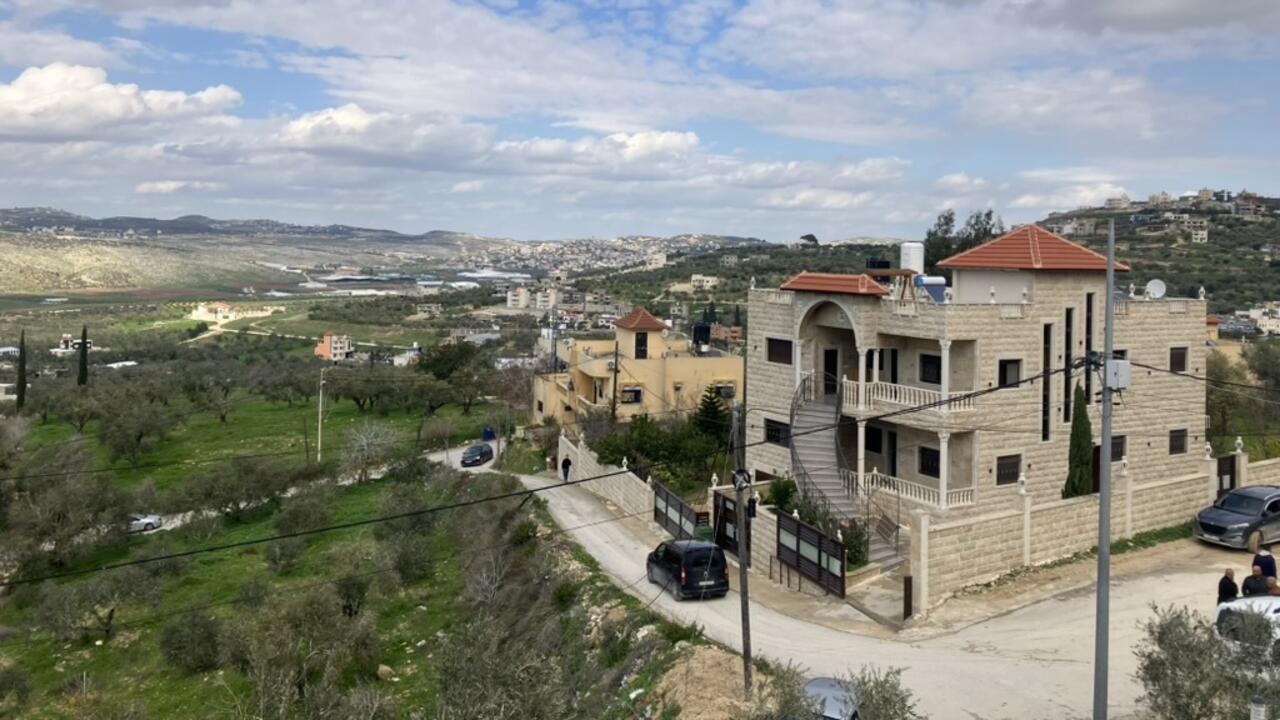
In the West Bank south of Jenin, RFI reports that in the Palestinian village of Silat ad-Dahr residents were informed of “the imminent destruction of dozens of houses and the confiscation of several hectares of land” tied to an Israeli road project linking two settlements.
RFI quotes Abu Wael describing the road’s path “it will come down where we are,” and it records his fear that “If a road goes through here, they will imprison us.”
Al-Quds Al-Arabi reports that Israeli occupation authorities launched a new electronic system called “Register Lands and Settlement of Rights,” described by a Palestinian official as part of a project of legal and administrative annexation of the West Bank.
The same article says the system carries the codename “Hand Grenade,” and it quotes Moayed Shaban saying it is “a hand grenade; more than a technical measure or a mere update of land records.”
WAFA adds that Mustafa said the occupation project is not limited to confiscating land, but also seeks to confiscate “time, identity, and narrative,” to make the occupation permanent and annexation an imposed reality.
What comes next and what’s at risk
WAFA reports that Prime Minister Mohammad Mustafa said the most dangerous aspect of the occupation project is that it aims to make “the occupation permanent, settlement a fait accompli, and annexation an imposed reality.”
“RAMALLAH, July 9, 2026 (WAFA) – Prime Minister Mohammad Mustafa stated that the Palestinian people are facing a comprehensive settler-colonial project, designed to uproot them from their land, undermine their national rights, impose annexation and displacement, weaken Palestinian institutions, and reshape the political and legal reality in favor of force rather than international law and justice”
In the same address, WAFA says Mustafa argued that the current “fascist Israeli government” is proceeding with what its leadership calls the “Decisive Plan,” which he said aims to undermine the two-state solution and prevent the establishment of an independent and sovereign Palestinian state.
Al-Quds Al-Arabi says the electronic land-registration system is intended to register roughly 58% of the land in Area C and it describes the project as a “digital and administrative colonial engineering aimed at imposing permanent legal facts.”
The article also quotes Moayed Shaban warning that the system “directly threatens the prospects of establishing a Palestinian state,” and it links the danger to the occupation’s attempt to use “technical and digital tools” to give a legal-administrative appearance to annexation and unlawful seizure of land.
RFI, meanwhile, records Mohammad al-Hantouli saying “No one really has the possibility to do anything,” as he describes how an army patrol could expel people with “no alternative,” underscoring the immediate stakes for communities facing road-driven disruption.
More on Gaza Genocide

Israeli Security Forces Kill Four Bani Odeh Family Members Near Tubas in West Bank
14 sources compared

Haley Stevens And Abdul El-Sayed Clash In Michigan Senate Debate Over Israel And Gaza Policy
12 sources compared

Israel Kills Mohamed Al-Wahidi, Gaza World Cup Screenings Organiser, Before Egypt-Argentina Match
19 sources compared

Netanyahu Warns Trump Turkey’s Erdogan Rhetoric Threatens Israel Security Zones
20 sources compared