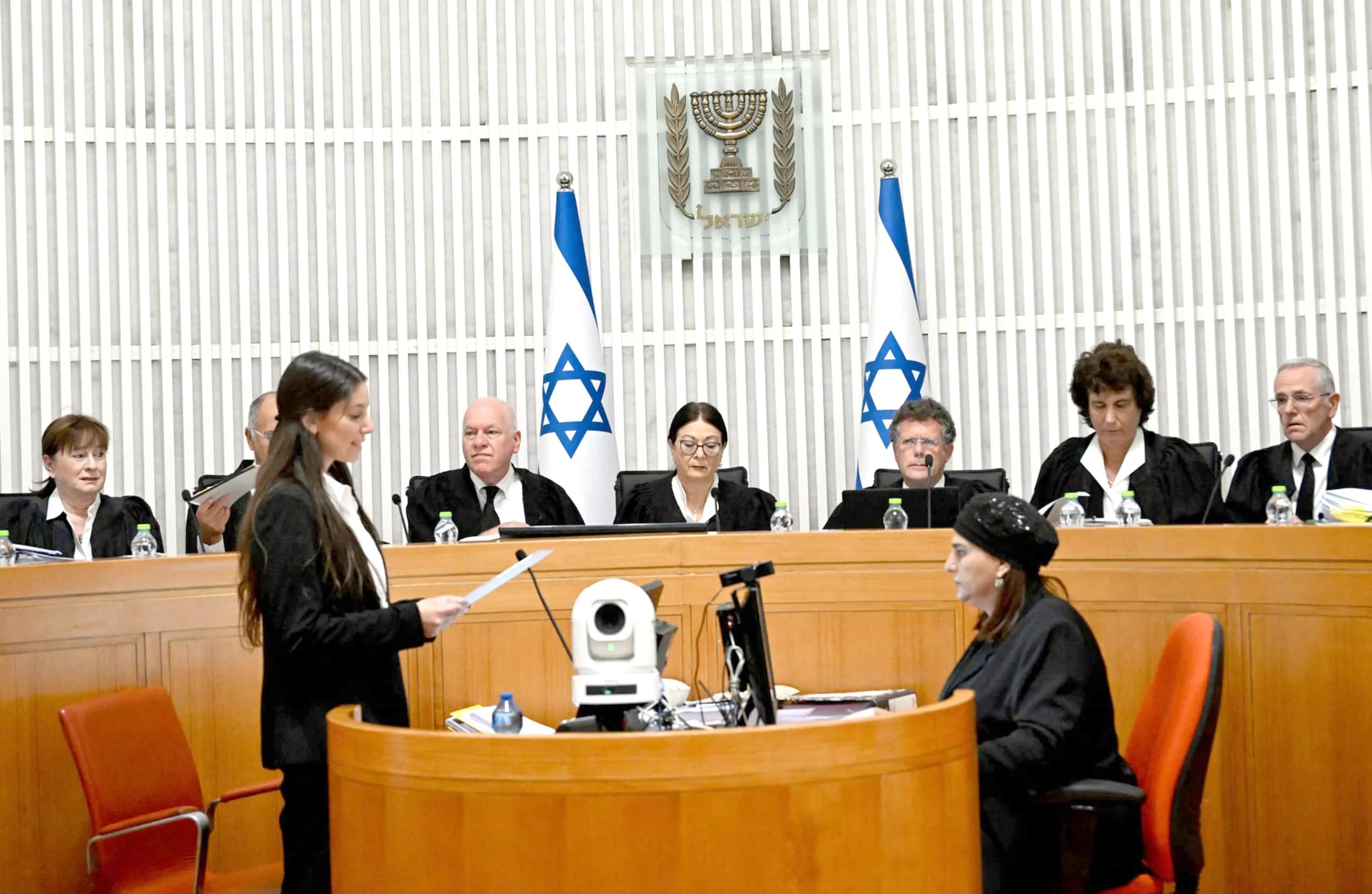
Israel’s Government Rejects Supreme Court Ruling on Second Authority for Television and Radio
Key Takeaways
- Netanyahu's cabinet unanimously refused to comply with Supreme Court ruling.
- Ruling reinstated the Second Authority for Television and Radio under previous governance.
- Officials warn it could trigger a constitutional crisis amid executive-judiciary clash.
Court defied over Gaza
Israel’s government unanimously voted to reject a Supreme Court ruling tied to the Second Authority for Television and Radio, a move that Reuters reported as sparking fears of a constitutional crisis in Israel.
“Attorney General Gali Baharav-Miara on Sunday evening, in a very firm-toned statement, accused the government of undermining the rule of law in Israel, denouncing the decision to ignore a recent Supreme Court ruling”
Communications Minister Shlomo Karhi and Justice Minister Yariv Levin said in a joint statement that the cabinet had unanimously voted to reject the court’s ruling, and the dispute centered on whether the council could operate despite not meeting a minimum number of members.
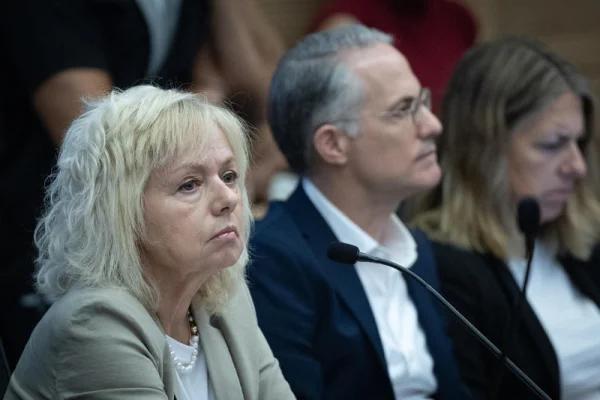
The Supreme Court had instructed the council on June 17 to continue operating despite the shortfall, and the government said it would not recognize decisions, approvals, appointments or actions taken by the council as long as, in the government’s view, it does not meet the explicit quorum requirements set by law.
Opposition leader Yair Lapid said, "The government had turned criminal," and he called it "This is the most serious constitutional crisis," as the standoff intensified ahead of expected elections in September or October.
The cabinet’s decision also came after the judicial overhaul effort was suspended after the genocidal Israeli war that began on Oct. 7, 2023, though portions of the plan have since reemerged.
Herzog red line
Israeli President Isaac Herzog warned that calls to disregard Supreme Court rulings undermine unity, saying, "disobedience to a court ruling is a red line that must not be crossed under any circumstances."
In response to the cabinet’s move, the Union of Journalists in Israel denounced the decision as aimed at blocking the sale of Reshet 13 to the high-tech group and described it as an unprecedented assault on the Supreme Court, saying, "The government of Israel is dismantling the media and democracy."
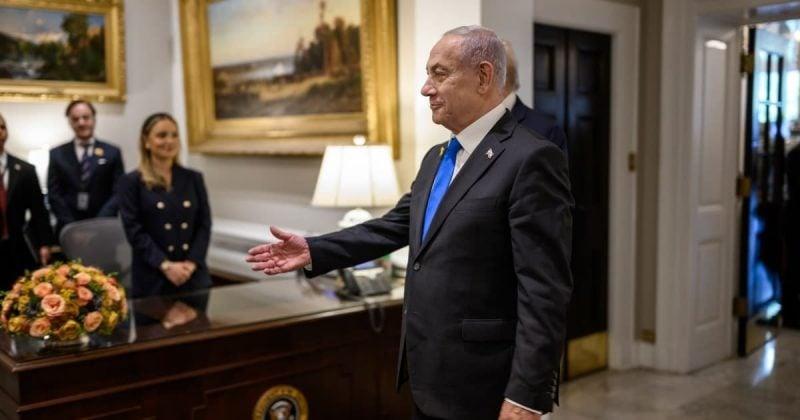
The cabinet said it would "act through all legal means at its disposal to nullify the decision," and it argued the court had "no authority to trample on the law" while pledging that "A ruling that contradicts the law will not be recognised, and decisions made under it are null and void."
Attorney General Gali Baharav-Miara accused the government of undermining the rule of law, saying the decision "constitutes a new serious attempt to thwart judicial decisions rendered by the Court" and to intimidate those seeking to comply.
Culture and Sports Minister Miki Zohar told Kan News, "As I understand it, the Prime Minister will comply with the Supreme Court's decision; there will be no constitutional crisis here," while warning that a constitutional crisis marks the start of a slippery slope.
Media stakes and elections
The dispute over the Second Authority for Television and Radio could affect the approval of the sale of Reshet 13 to a group of high-tech entrepreneurs, and it could also affect whether Channel 14 continues to be classified as a "small channel" with regulatory exemptions and other benefits.
“Israel: The Netanyahu government approves the recognition of the Armenian genocide”
Ynetnews said the decision placed Netanyahu’s coalition in direct defiance of an interim High Court order and turned the dispute over the media regulator into a broader test of the balance of power between the cabinet and the judiciary.
Ynetnews also reported that the government said its move followed a June 17 Supreme Court ruling that restored the previous Second Authority council even though the number of sitting members had dropped below what the government says is the legal minimum.
In a separate account, the Jerusalem Post said the government approved a unanimous decision declaring it would disobey a High Court ruling and warned that the response "risks bringing another constitutional crisis to Israel’s doorstep."
The Times of Israel framed the dispute as a maneuver, arguing that the High Court ruling says the Council may convene and make decisions in its current composition, while noting that the main issue before the Council is whether to approve the sale of Reshet 13 to new owners.
More on Gaza Genocide

Hamas Dissolves Gaza Governing Body Ahead of Power Transfer to National Committee
12 sources compared

Hamas Dissolves Gaza Governing Bodies To Facilitate Transfer To Palestinian National Committee
37 sources compared

UN Rights Body Urges Israel To Release Gaza Doctor Hussam Abu Safiya
10 sources compared

Israel Blocks Medical Transfer, Killing Four-Month-Old Ahmad Marouf Zeid Near Ramallah
18 sources compared