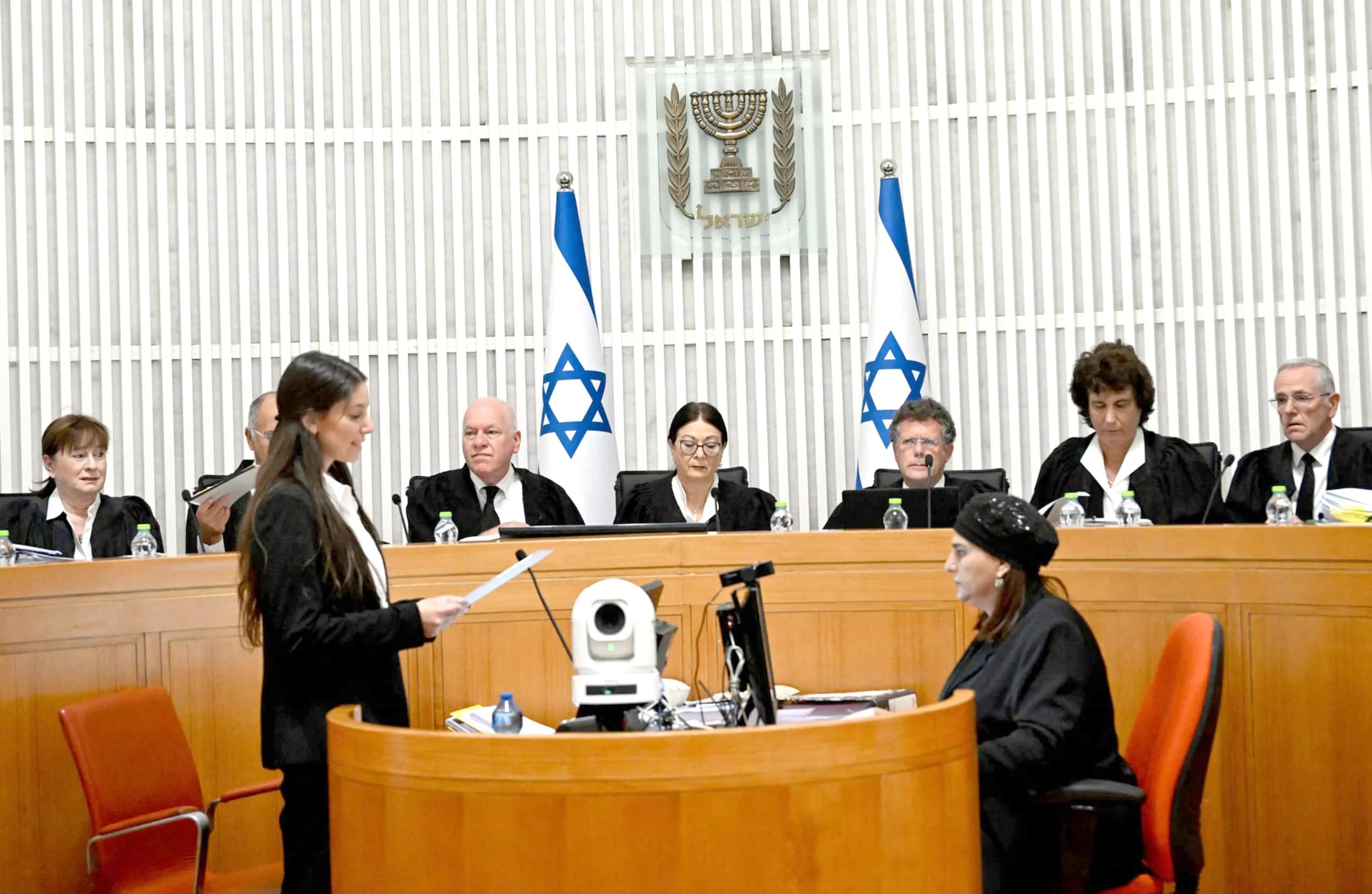
Israel’s Government Vows To Ignore High Court Ruling, Escalating Constitutional Crisis
Key Takeaways
- Cabinet pledges to disobey Supreme Court ruling on the Second Authority for TV and Radio.
- This marks the first time Israel's government openly defies a High Court ruling.
- Analysts warn the move risks a full constitutional crisis amid judiciary-executive clash.
Cabinet defies High Court
Israel’s government unanimously approved a declaration that it will not respect a High Court of Justice ruling on the Council of the Second Authority for Television and Radio, escalating the dispute into a constitutional crisis.
The Times of Israel said the cabinet vowed not to recognize any decisions made by the council in its current status, despite the High Court decision in June to enable the council to resume operations despite lacking a two-thirds quorum of members.
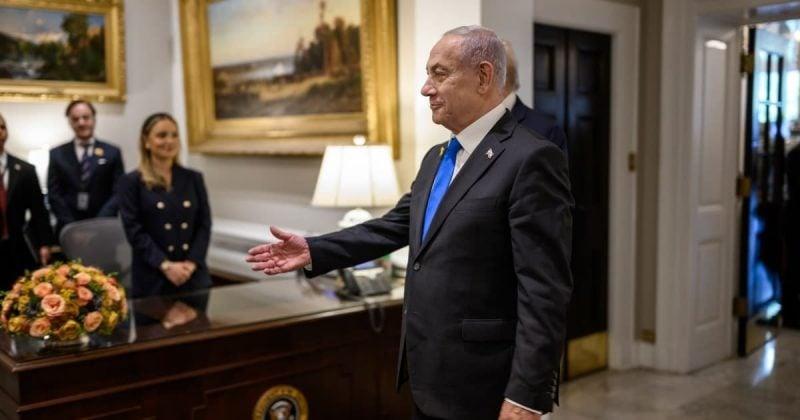
Communications Minister Shlomo Karhi and Justice Minister Yariv Levin used wording prepared for the declaration, saying “Today, the government unanimously approved a proposal… declaring that it will not recognize any decision, approval, appointment, or action taken by the Council of the Second Authority as long as the council does not meet the explicit minimum requirements established by law,” in a joint statement to the press.
The dispute is tied to the council’s role in approving a proposed buyout of Channel 13 by a group of high-tech entrepreneurs, headed by a prominent critic of the government, which the council must approve.
The cabinet’s move also drew an immediate response from President Isaac Herzog, who warned that “Refusing to comply with a court ruling is a red line that must not be crossed under any circumstances.”
Opposition calls it democracy
Opposition leaders denounced the cabinet’s declaration as a constitutional crisis and said it could unravel the willingness of others to obey the law.
Yair Lapid, the opposition leader, said, “A government that does not accept the rulings of the High Court of Justice immediately becomes an unlawful government whose rulings and decisions we will not accept,” adding that the opposition would view the council’s decisions as valid.
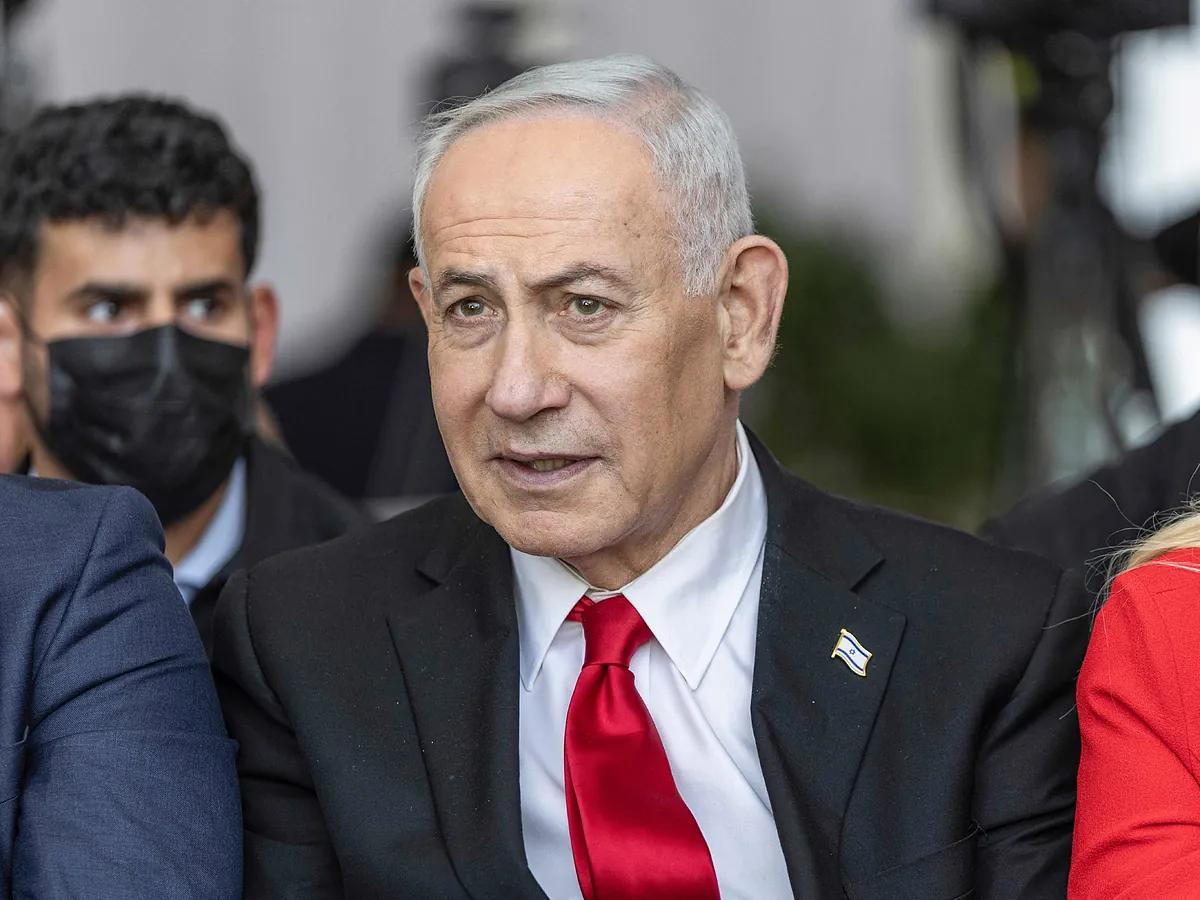
Naftali Bennett, who leads the Together party with Lapid, called the cabinet’s declaration a “severe and dangerous breach of trust by the government against the state,” while Yashar party chief Gadi Eisenkot said the government was “assaulting Israeli democracy.”
The Jerusalem Post framed the government’s action as turning court rulings into political choices, warning that the government “risks bringing another constitutional crisis to Israel’s doorstep.”
In parallel, Firstpost reported Lapid’s broader charge that Netanyahu’s government’s decision not to abide by the Supreme Court ruling was “the destruction of the foundations of our democracy” and “the most serious constitutional crisis in the country’s history.”
What’s at stake next
The standoff over the Second Authority’s membership and quorum is directly linked to media governance, including the possible approval of Channel 13’s acquisition.
“Accessibility helpSkip to navigationSkip to main contentSkip to footer > Netanyahu government defies Israel’s top court over TV regulation Subscribe to unlock this article Try unlimited access Only £1 for 4 weeks Then £59 per month”
The Times of Israel said the fight over the membership of the Second Authority centers around a proposed buyout of Channel 13 by a group of high-tech entrepreneurs, headed by a prominent critic of the government, which the council must approve.
It also reported that organizations that petitioned the High Court against the government, including the Union of Journalists in Israel and the Movement for Quality Government, alleged that Karhi and the government tried to assert political control over the council to thwart the buyout.
In addition to Channel 13, the crisis could affect whether Channel 14 continues to be classified as a “small channel,” a designation that provides regulatory exemptions and other benefits, according to Islam Times’ account of the dispute’s potential impact.
Islam Times also tied the timing to politics, saying a date for “Israel's” next election has not been announced, although it is expected to take place in September or October, as the cabinet’s decision drew warnings of constitutional escalation.
More on Other
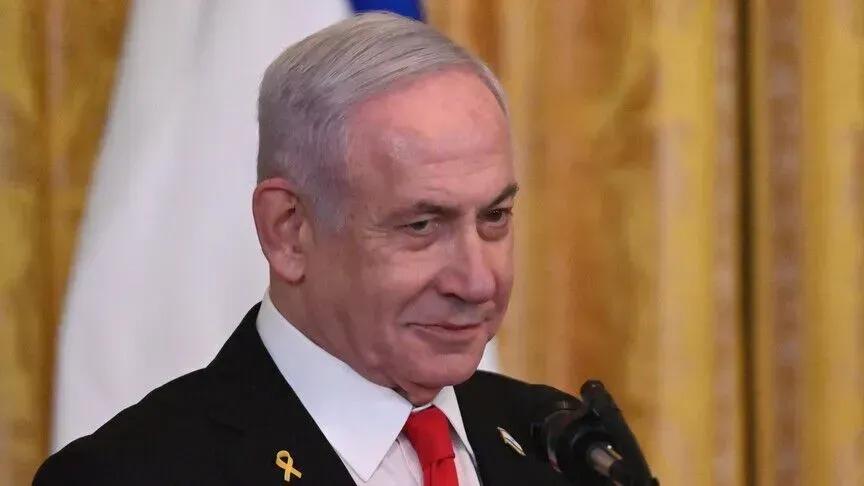
Netanyahu Cabinet Approves Ignoring Supreme Court Order on Israel’s Second Broadcasting Authority
23 sources compared

Overcrowded Bus Plunges Into Ravine In Dana Sar, Pakistan, Killing 40
12 sources compared

Vatican Excommunicates Lefebvrite Bishops After Écône Ordinations, Including Alfonso De Galarreta
15 sources compared

Vatican Excommunicates SSPX Leaders, Including Bishop Alfonso de Galarreta, Over Switzerland Consecrations
17 sources compared