India02 November, 20252 min read
ISRO Launches India’s Heaviest Naval Communication Satellite to Strengthen Navy’s Maritime Surveillance
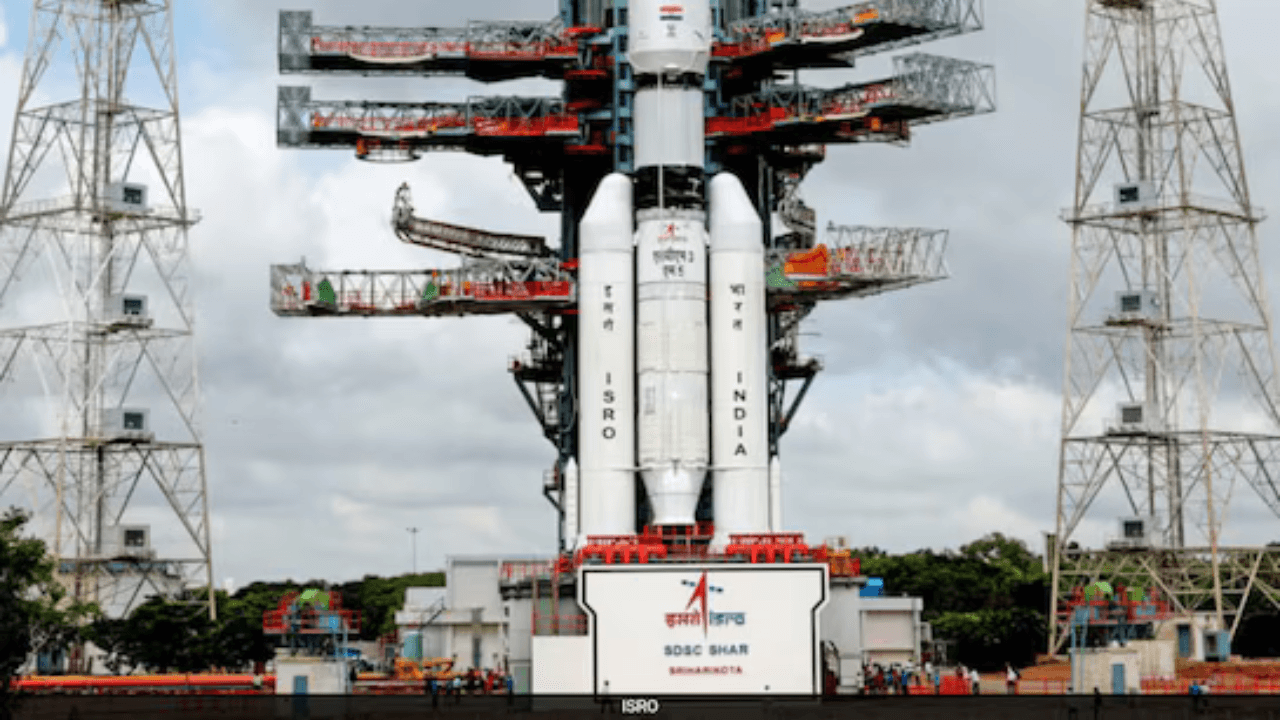
ISRO launched CMS-03, India’s heaviest communication satellite, weighing approximately 4,410 kg. The satellite was launched aboard the indigenous LVM3-M5 ‘Bahubali’ rocket from Sriharikota.
34 outlets told this the same way.
India's Naval Communication Satellite Launch
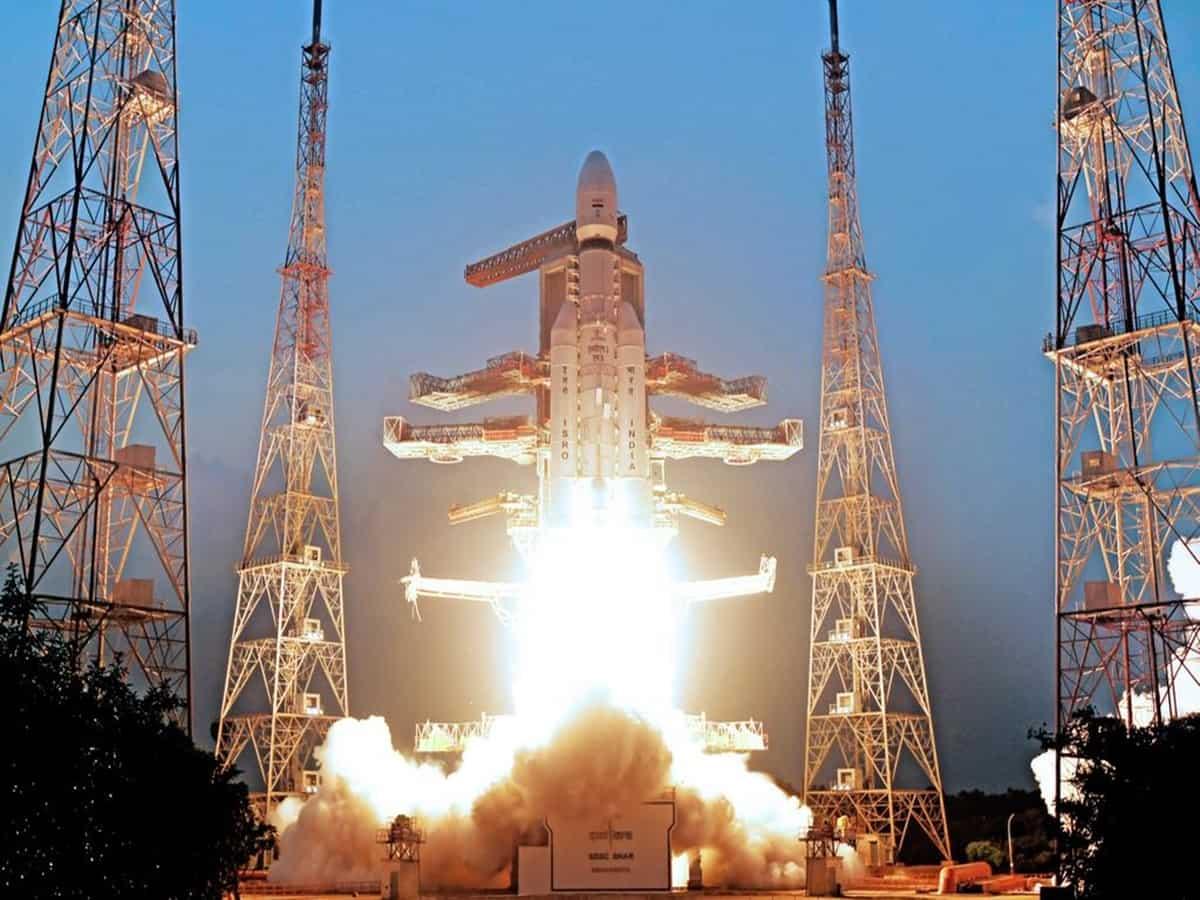
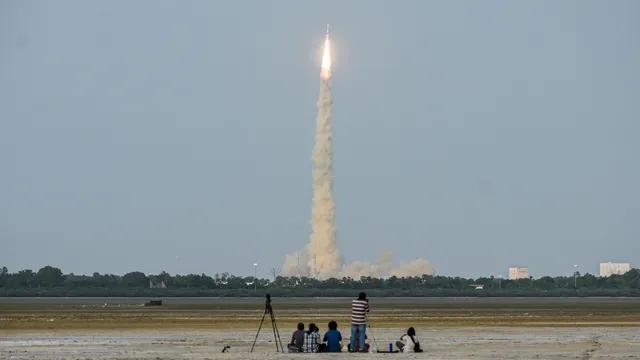
India launched its heaviest naval communication satellite, CMS-03 (also referred to as GSAT-7R), aboard the LVM3-M5 from Sriharikota at 5:26 pm. The roughly 4,410-kg spacecraft was placed into a Geosynchronous Transfer Orbit about 16 minutes after liftoff. ISRO and the Indian Navy said the multi-band satellite will strengthen secure links among ships, aircraft, and submarines and bolster maritime domain awareness across the Indian Ocean Region.
“The 4,410 kg satellite was launched from Sriharikota at 5:26 pm aboard the powerful LVM3-M5 rocket... The satellite separated from the rocket about 16 minutes after liftoff and entered a geosynchronous transfer orbit.”
Officials and media highlighted that this was the LVM3 rocket’s latest operational flight, the same family of launcher used for Chandrayaan-3. The vehicle carried an upgraded configuration for the mission. Prime Minister Narendra Modi praised the launch as another milestone for India’s growing space program.

Indian Navy Communication System
Developed for the Indian Navy, CMS-03/GSAT-7R provides secure, high-capacity, multi-band voice, data, and video connectivity linking warships, aircraft, submarines, and Maritime Operations Centres. This system improves real-time coordination and maritime domain awareness across the Indian Ocean Region. Several sources highlight indigenous upgrades and encryption features of the system.
Some reports specify support over C, extended C, and Ku frequency bands. The service footprint covers an area within 2,000 km of India’s coastline.

Coverage is described as a wide oceanic region including the Indian landmass. The system aims to strengthen naval command-and-control and surveillance capabilities.
India's Strategic Satellite Launch
Multiple outlets frame the launch as a strategic step toward self-reliance and maritime security. Officials highlight Aatmanirbharta and the replacement of the Navy’s decade-old GSAT-7 ‘Rukmini.’ Reporting points to Ministry of Defence funding and an estimated cost of ₹1,589 crore.
“Funded by the Ministry of Defence at a cost of ₹1,589 crore... This successful launch highlights ISRO’s advancing technological capabilities and strategic autonomy in space-based defense and communication infrastructure.”
The expected service life of the satellite is around 15 years. This launch will end reliance on foreign heavy-lift services for such payloads.
The mission is presented as reinforcing sovereign defence communication infrastructure. It also expands India’s independent heavy-satellite launch capability.
LVM3 Rocket Mission Details
Technically, outlets detail a 43.5‑meter LVM3 that inserted the payload into GTO, with separation roughly 16 minutes after liftoff. This profile echoes the one used for Chandrayaan‑3. Some reports call this the rocket’s fifth operational flight, while others cite a sixth operational mission or reference eight total LVM3 missions to date.
Several sources also describe it as the first time such a heavy payload was lofted entirely by an indigenous Indian rocket. They note LVM3’s nominal GTO capacity of about 4,000 kg, underscoring performance enhancements for this mission.
Indian Space Mission Coverage
Western Mainstream and West Asian media focus on Prime Minister Modi’s praise and his reiterated goal of sending an Indian astronaut to the Moon by 2040. Indian media outlets track upcoming missions and the broader benefits of these space projects. Several sources report that CMS‑03 supports future initiatives such as Gaganyaan and NISAR.
“The successful launch of CMS-03 strengthens India’s geosynchronous satellite fleet and supports key upcoming missions like Gaganyaan and NISAR.”
Some coverage highlights civilian advantages including disaster response, telemedicine, and broadcasting or broadband services. The reporting includes both pre-launch and post-launch updates, with livestream details and verification from official ISRO sources.