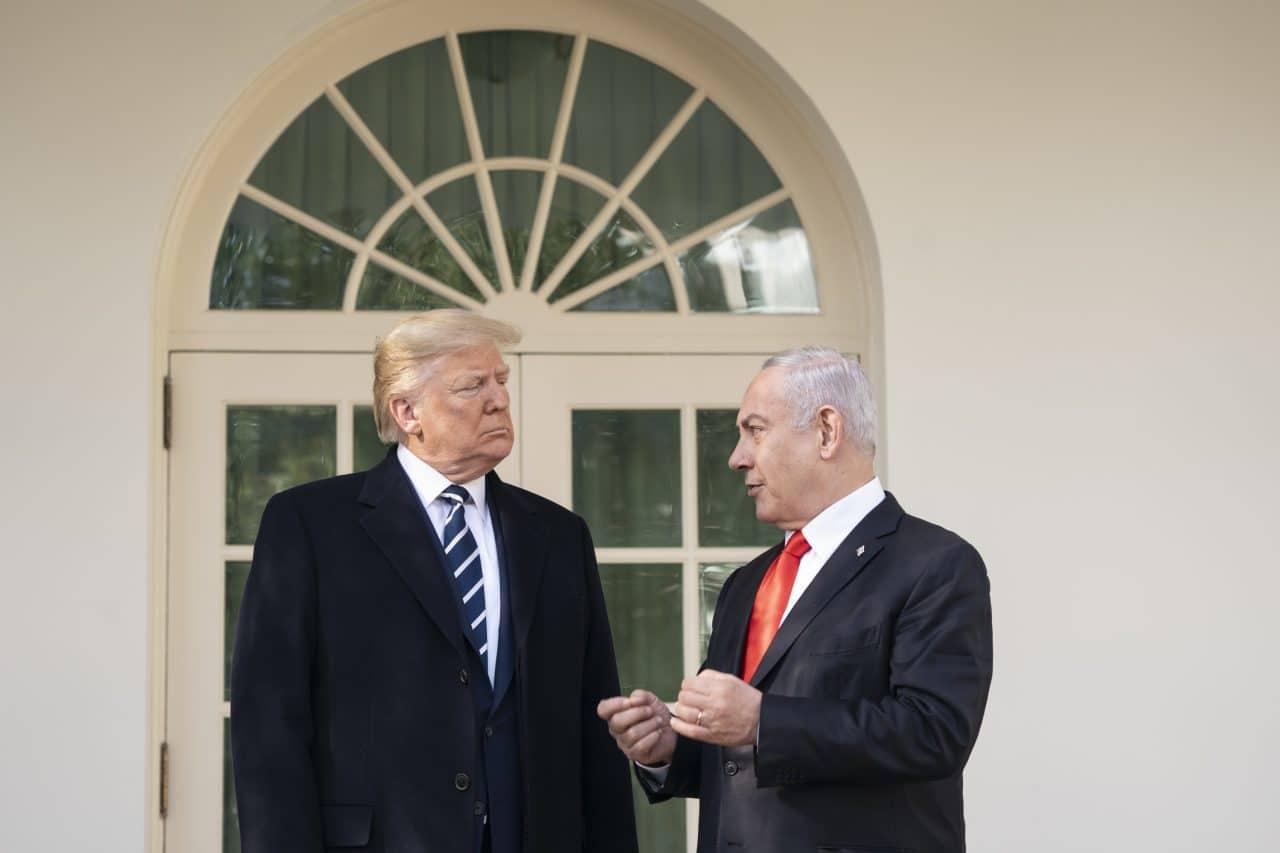
JD Vance Says Netanyahu Aggressively Asserts Israel’s Interests During Iran War
Key Takeaways
- US and Israel interests diverge and a chasm widens during the Iran war.
- Vance says US-Israel interests are not always aligned amid the Iran conflict.
- Iran war strains the Trump-Netanyahu relationship, driving political distance.
Rift over Iran war
Vice President JD Vance said U.S. and Israeli interests are not always aligned as President Trump’s relationship with Prime Minister Benjamin Netanyahu has been tested during the Iran war.
“WASHINGTON—Despite close coordination between US and Israeli leaders and their militaries from the earliest days of the Iran war, the two countries’ interests and objectives, and their leaders’ political priorities and constraints, have increasingly diverged”
Vance told Robert Costa in an interview airing on “CBS Sunday Morning” that Netanyahu “aggressively asserts the interests of his country” while Trump “has been very clear about what is in our best interest.”
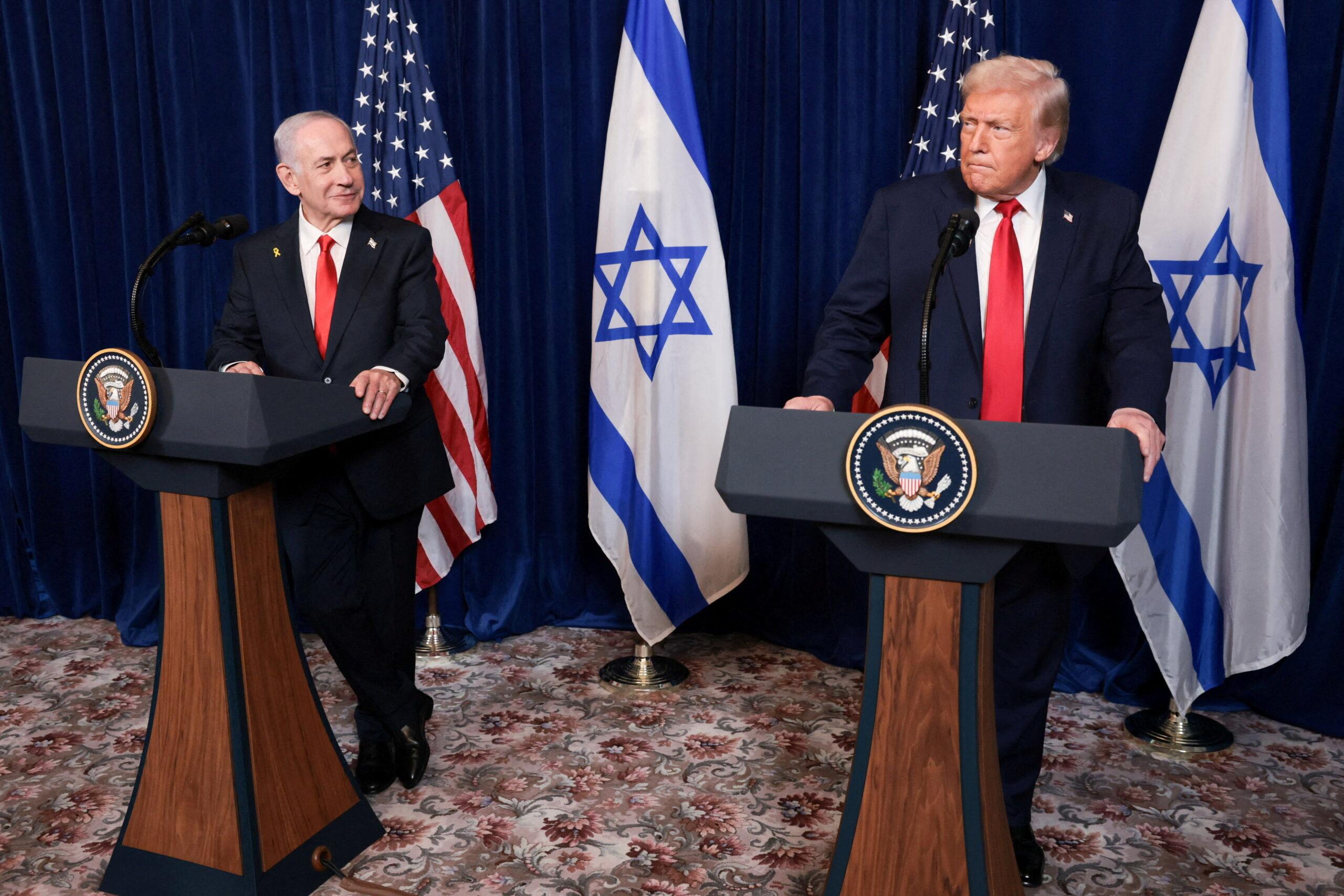
The Atlantic Council described a widening divergence in objectives and priorities between Washington and Jerusalem, saying the once-modest gap “has opened into a chasm that will not be easily bridged.”
The Atlantic Council also tied the split to differing approaches to ending the war and to the Strait of Hormuz, noting that Israel experiences the economic disruption of the strait’s closure far less than the United States does.
Quotes and conflicting framing
In the midst of the exchange of fire, El País reported that Trump insisted “decides everything” and Netanyahu does not, adding that “Israel and Iran must immediately stop shooting,” he declared.
El País also quoted Trump’s remark that negotiations were “proceeding, subject to ignorance or stupidity getting in its way.”

El País said the two leaders spoke by phone on Monday and cited Axios for Trump’s account that he told Netanyahu, “I said, ‘Bibi, you better be careful, or you will be on your own very soon,’”
Shmuel Rosner, described by El País as an expert on Israel–U.S. relations and senior fellow at the Jerusalem-based Jewish People Policy Institute, framed the frictions as a “conflict of interests,” not “personal disagreements.”
What’s at stake next
Mondoweiss reported that on Thursday Trump claimed an agreement had been reached to reopen the Strait of Hormuz, end the fighting, and begin talks on a permanent agreement between the two long-time enemies.
“The relationship between Donald Trump and Benjamin Netanyahu lends itself more to psychological analysis than political, after a decade in which the volatile U”
Mondoweiss said Iran’s semi-official Fars News Agency claimed Iran’s leadership was likely to sign the agreement because the United States had accepted its contents, while the office of Israeli Prime Minister Benjamin Netanyahu issued a statement that Israel was “not a party to the memorandum of understanding.”
In that same Netanyahu statement, Mondoweiss quoted Israel’s position that the final agreement would include “the removal of enriched material, the dismantling of enrichment infrastructure, limits on missile production, and the cessation of Iran’s support for its terrorist proxies in the region.”
The Atlantic Council warned that the likely deal would leave Iran capable of reconstituting its nuclear program if it cheats on the deal or when the deal expires, and that it would ensure Tehran has revenue to fund its military capabilities and terrorist proxies.
More on Iran

Donald Trump Says US-Iran Deal Reopens Strait of Hormuz, Lifts Naval Blockade
11 sources compared
Donald Trump Says U.S. and Iran Reached Deal To Reopen Strait of Hormuz
21 sources compared
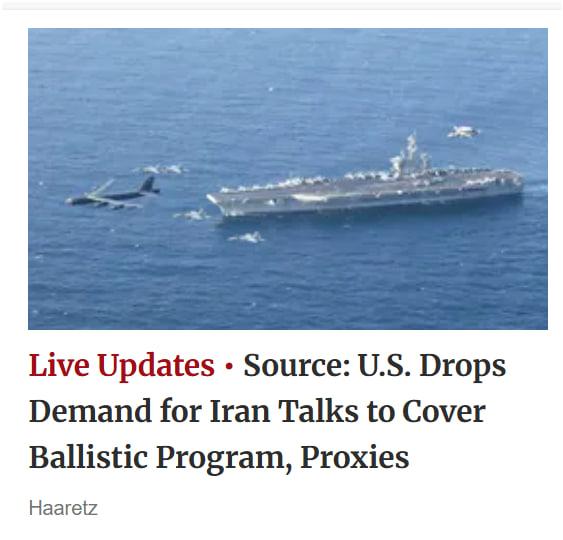
US-Iran Peace Deal Reopens Strait of Hormuz, Ends Naval Blockade, Defers Nuclear Talks
14 sources compared
Trump And Iran Sign Memorandum, Reopen Strait Of Hormuz, Start 60 Days Of Nuclear Talks
14 sources compared