JNIM and Azawad Liberation Front Launch Coordinated Attacks Across Mali, Hitting Bamako
Key Takeaways
- Coordinated attacks hit Bamako and other cities, including near the airport and Kati base.
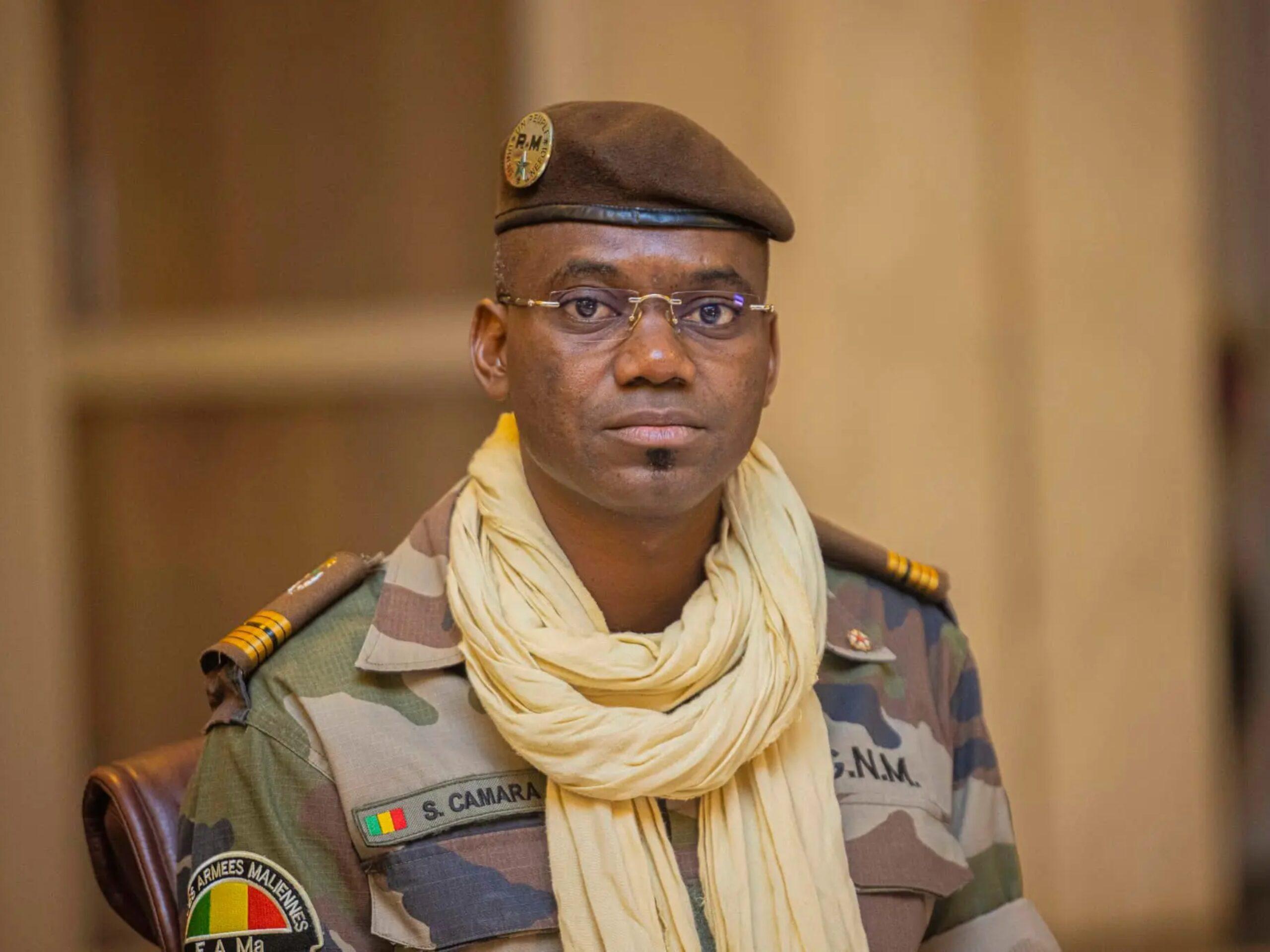
- Mali's Defence Minister Sadio Camara was killed during the attacks.
- JNIM claimed responsibility, coordinating with the Azawad Liberation Front.
Coordinated assaults across Mali
A wave of coordinated attacks across Mali intensified the country’s armed conflict on Saturday, with strikes reported from the capital Bamako to cities including Sevare, Kidal, and Gao.
The Organiser described “coordinated terrorist attacks hit Bamako” on the morning of April 25, 2026, with explosions and sustained gunfire reported at a military camp near Bamako’s international airport and near the Kathi military base around “6 a.m. local time.”
The same report said the intensity disrupted normal operations, with “even passenger flights unable to take off,” and it described the attacks as targeting strategic military installations where members of the Russian private military group Wagner Group are reportedly stationed.
Al Jazeera said Mali’s military statement on Saturday reported that unidentified armed terrorist groups targeted “certain locations and barracks in the capital and the interior early this morning, April 25, 2026,” adding that “Fighting is ongoing.”
The BBC similarly reported that “Explosions and sustained gunfire were reported in Mali's capital, Bamako,” and that fighting was also reported around Kati, Gao, Sevare, and Mopti, with gunfire resuming in Kidal on Sunday.
Multiple outlets tied the assault to the al-Qaeda-linked Jama’at Nusrat al-Islam wal-Muslimin (JNIM), while others also described Tuareg rebel participation alongside JNIM.
The Guardian reported that JNIM claimed responsibility for attacks on Bamako’s international airport and “four other cities” in central and northern Mali, and said the attacks were carried out jointly with the Azawad Liberation Front, a Tuareg-led separatist group.
What led to the escalation
The attacks unfolded against a backdrop of Mali’s long-running security crisis and repeated military coups, with multiple reports linking the current moment to the country’s deteriorating control over large areas.
Al Jazeera said Mali has been under military rule for most of the past 14 years and that the current military ruler, Assimi Goita, came to power in the 2021 coup “on the promise to boost security amid the growing influence of armed groups.”

It also traced the crisis to the 2012 deposing of Mali’s democratically elected President Amadou Toumani Toure, saying his government was accused of failing to handle a Tuareg-led rebellion in the north, after which “the country has been experiencing a severe security and political crisis, armed rebellions and two military coups.”
The Organiser described “deepening security fractures” as violence spread “from the north to the heart of the state,” and it said security agencies suspect the involvement of the Islamic terror wing al-Qaeda-linked Jamaat Nusrat al-Islam wal-Muslimeen (JNIM).
It further said intelligence sources indicate the attacks may have been jointly carried out by JNIM along with the Asawad Liberation Front (FLA), an alliance of Tuareg rebel groups operating in northern Mali.
The BBC added that Mali has “for years been plagued by insurgencies by groups affiliated with al-Qaeda and the Islamic State group, as well as a separatist movement in the country's north,” and it described the assault as the largest jihadist attack in years.
Several outlets also pointed to shifting external support and the post-French withdrawal environment, with the Organiser noting that “Following the withdrawal of French military forces from Mali, the country has increasingly relied on Russian military support.”
Voices: officials, analysts, residents
Reactions to the attacks came from Mali’s military, regional and international actors, and analysts, while residents described the fear and disruption caused by gunfire and explosions.
“Mali has been rattled by coordinated attacks carried out by several unidentified armed groups beginning on Saturday, escalating the political and security crisis in the country, which has been under military rule for most of the past 14 years”
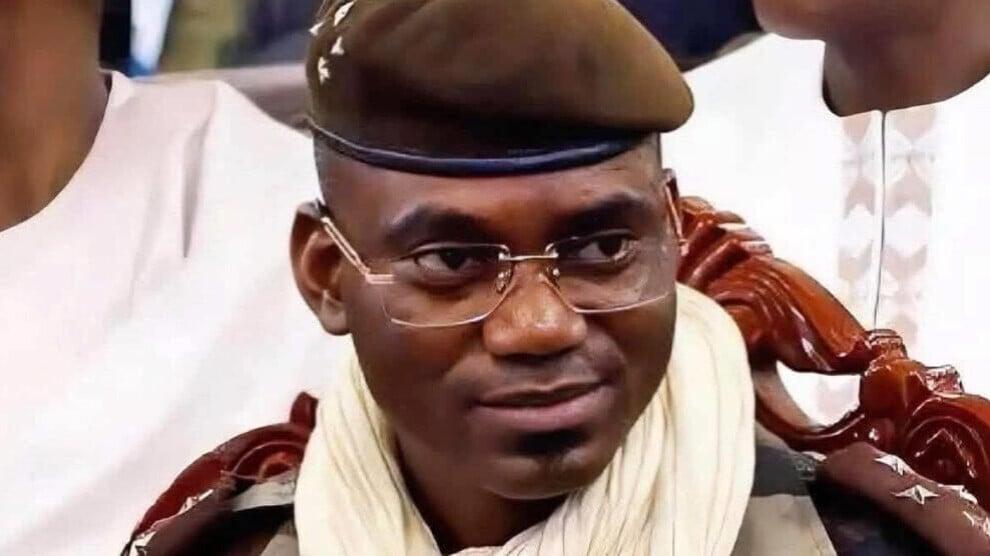
Al Jazeera reported that on Sunday a military source told it that Mali’s Defence Minister Sadio Camara had been killed amid coordinated attacks, and it said his residence in Kati was attacked on Saturday.
The BBC described how Mali’s military said it was fighting “terrorist groups” and that they had been “routed” with “several hundred” killed, while also noting that “The BBC has not been able to independently verify this claim.”
In Bamako, the New York Times quoted a businessman who said, “At about 5 a.m., we heard a giant explosion that made our houses shake,” and added, “We were really scared.”
The BBC also included a statement from FLA spokesman Mohamed Elmaouloud Ramadane, who told it: “We had been working on this operation for a long time, in a well-planned manner, and in fact, in alliance with [JNIM],” and he added, “It is difficult to find any solution without their participation, and there was co-ordination.”
Ulf Laessing, head of the Sahel programme at the Konrad Adenauer Foundation, told Al Jazeera that since the crisis began in 2012, security has been “degrading” every year and that the government has “little control over large areas of the country,” while he also told the BBC the incident appeared to be the “largest co-ordinated jihadist attack on Mali for years.”
International condemnation also featured prominently: the BBC quoted African Union Commission Chairperson Mahmoud Ali Youssouf saying he was following the situation with “deep concern,” and it quoted UN chief Antonio Guterres calling for “coordinated international support to address the evolving threat of violent extremism and terrorism in the Sahel and to meet urgent humanitarian needs.”
How outlets framed the same assault
While multiple outlets agreed that coordinated attacks struck Bamako and other cities, they differed in emphasis—particularly around casualty claims, the role of specific groups, and the degree of control reported by Mali’s authorities.
Al Jazeera said JNIM claimed responsibility for attacks in Kati near the capital and the Bamako airport and other locations further north including Mopti, Sevare and Gao, and it added that Tuareg rebels also claimed participation, while it described the military statement as saying “Fighting is ongoing.”
The Guardian reported that JNIM claimed responsibility on its Az-Zallaqa website and said the attacks were carried out jointly with the Azawad Liberation Front, and it described sustained heavy weapons and automatic rifle gunfire from Modibo Keïta international airport, about 9 miles (15km) from the city centre.
The BBC described the assault as the “largest co-ordinated jihadist attack on Mali for years” and said Mali’s military claimed “several hundred” attackers were killed, while also stressing that “The BBC has not been able to independently verify this claim.”
The New York Times framed the offensive as a major escalation, saying experts described it as “a major escalation in yearslong hostilities,” and it reported that JNIM claimed to have seized two key cities and destroyed the defense minister’s residence.
Le Monde described the attack as “unprecedented” and said it was “led by the jihadists of the Group for the Support of Islam and Muslims (JNIM) in coordination with pro-independence Tuaregs from the Azawad Liberation Front (ALF),” adding that “Never before had there been an offensive against several cities, hundreds of kilometers apart.”
Even when describing similar claims of territorial gains, outlets diverged: Türkiye Today said the FLA claimed to have seized control of Kidal and reported fresh fighting resumed there on Sunday, while the BBC said “On Sunday, gunfire resumed in Kidal in the north” and quoted Ramadane saying “We are in Kidal and it has not fallen completely.”
Stakes and what comes next
The stakes described across the reporting centered on the threat of violent extremism in the Sahel, the stability of Mali’s military leadership, and the risk to civilian populations as fighting continued and territorial claims evolved.
Al Jazeera said the attacks escalated a political and security crisis in a country “under military rule for most of the past 14 years,” and it reported that the African Union, the secretary-general of the Organisation of Islamic Cooperation and the United States Bureau of African Affairs condemned the attacks.
The BBC reported that the UK Foreign Office advised against all travel to Mali following the attacks and said Bamako International Airport had been temporarily closed, while it also described a curfew imposed from 21:00 to 06:00 local time for the next three nights.
The Guardian described US embassy actions in Bamako, including a security alert urging US citizens to “shelter in place and avoid travel there,” and it reported that checkpoints were established on roads leading to the airport and that vehicles were being searched.
Türkiye Today said the Malian army’s general staff claimed “hundreds of terrorists had been neutralized,” that a large-scale combing operation was underway across Bamako, Kati and other affected localities, and that the public should avoid sharing unofficial information, while it also reported that the government said the situation was “totally under control” Saturday evening and reported “16 civilians and soldiers wounded.”
The Organiser described the geopolitical dimension, saying the attacks occurred at a time when Mali and the United States were reportedly preparing to sign an agreement that would allow American aircraft to conduct intelligence-gathering operations using drones.
Across outlets, the call for coordinated international support was consistent: the BBC quoted Antonio Guterres calling for “coordinated international support to address the evolving threat of violent extremism and terrorism in the Sahel and to meet urgent humanitarian needs,” while Türkiye Today quoted U.N. Secretary-General Antonio Guterres as “deeply concerned” and calling for “coordinated international support.”
More on Africa
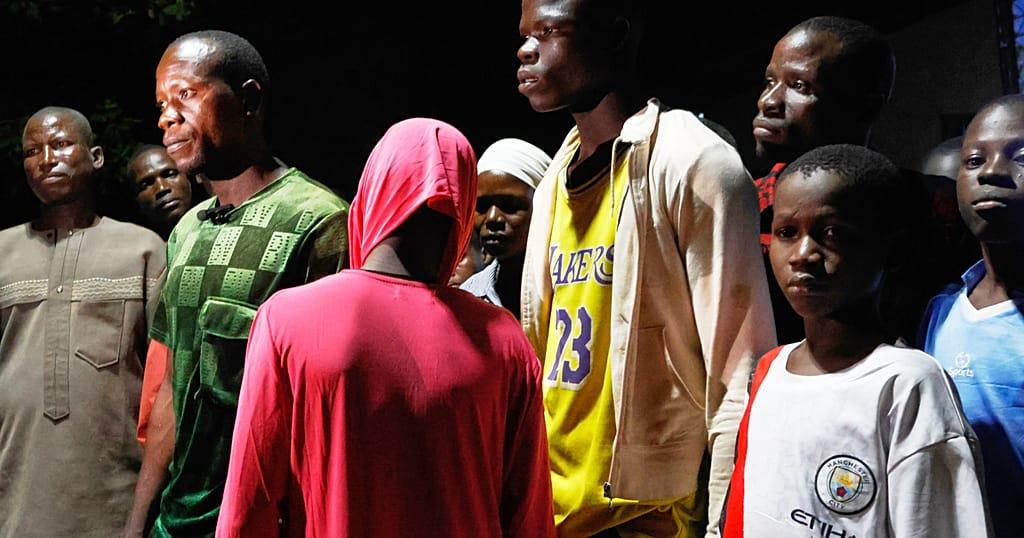
Nigerian Security Forces Rescue Abducted Oyo Schoolchildren And Teachers After May 15 Kidnapping
21 sources compared
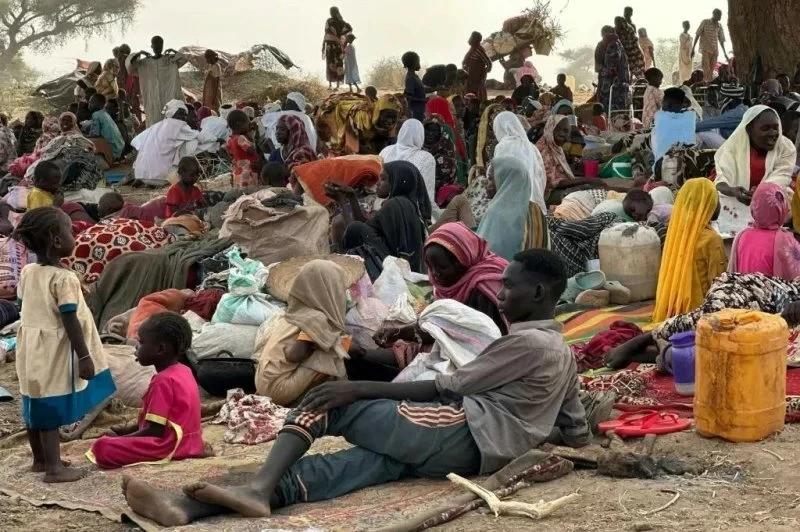
UN Investigators Say RSF Tactics in El-Obeid Bear Hallmarks of Genocide
15 sources compared
Sudan Gold Mine Collapse Kills 15 Miners At Mohamed Tawfiq Mine Near Egyptian Border
11 sources compared
Abdel Fattah El Sisi Inaugurates Egypt’s “Octagon” Strategic Command Headquarters, Bigger Than Pentagon
18 sources compared