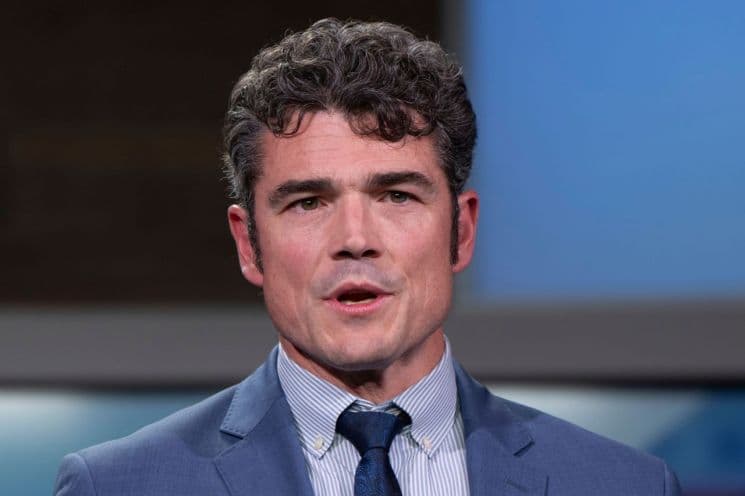
Kent Resigns as National Counterterrorism Center Director Over Trump's Iran War
Key Takeaways
- Joe Kent resigns as National Counterterrorism Center director.
- He argued Iran posed no imminent threat and that war was driven by Israel's pressure.
- Kent urged Trump to reverse course on Iran policy.
Kent Resignation Announcement
Joe Kent, director of the National Counterterrorism Center, announced his immediate resignation on March 17, 2026, over the Trump administration's war with Iran.
“Select “More options” to see additional information, including details about managing your privacy settings”
Kent became the highest-ranking official in the administration to break ranks over the conflict.
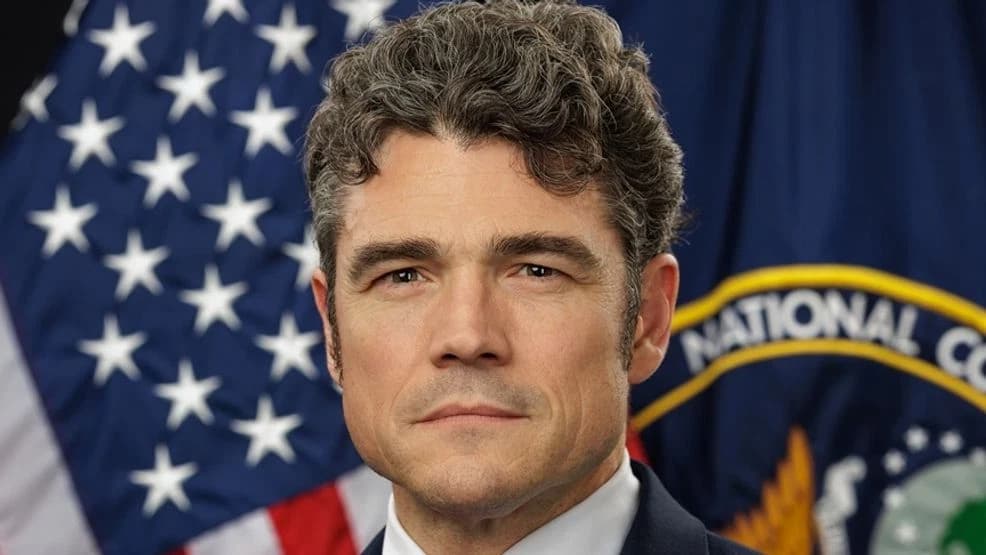
Kent stated that 'Iran posed no imminent threat to our nation' in his resignation letter posted on social media.
He claimed 'the Trump Administration started this war because of pressure from Israel and its powerful American lobby.'
The former Army Special Forces veteran with 11 combat deployments and CIA paramilitary officer expressed that he 'cannot in good conscience support the ongoing war in Iran.'
His resignation marked a significant departure from his previous role as a staunch Trump supporter.
Kent's Background
Kent's extensive military and intelligence background lent significant weight to his protest against the Iran war.
As a decorated Green Beret who completed 11 combat deployments and former CIA paramilitary officer, his resignation carried particular significance.

Trump had personally nominated Kent for the NCTC position in February 2025, praising his counterterrorism credentials.
Democrats challenged his confirmation citing past associations with far-right figures and conspiracy theories.
Kent faced Senate confirmation challenges with a 52-44 vote.
His personal history included the tragic loss of his wife Shannon Kent, killed in a 2019 suicide bombing in Syria.
He referenced this loss in his resignation as motivation to oppose sending Americans into what he called an unnecessary conflict.
Administration Response
President Trump swiftly rejected Kent's assertions, dismissing him as 'weak on security'.
“In response to these criticisms, White House spokesperson Caroline Leavitt asserted that there are 'false claims' in the circulating rhetoric”
Trump declared Kent's departure 'a good thing' and said 'When somebody is working with us that says they didn't think Iran was a threat, we don't want those people.'
Trump described Kent as 'wasn't smart people, or they're not savvy people.'
White House press secretary Karoline Leavitt attacked Kent's claims as 'false'.
Leavitt asserted that Trump had 'strong and compelling evidence that Iran was going to attack the United States first.'
Director of National Intelligence Tulsi Gabbard defended the president's decision-making authority.
Gabbard stated Trump 'concluded that the terrorist Islamist regime in Iran posed an imminent threat and he took action based on that conclusion.'
The administration's pushback highlighted growing tensions within the administration as the Iran war entered its third week.
Broader Implications
Kent's resignation exposed significant divisions within Trump's base regarding the Iran war.
Kent alleged that 'high-ranking Israeli officials and influential American journalists' had conducted a 'misinformation campaign'.

He claimed this was similar to what preceded the Iraq War.
His claim that the conflict was driven by Israeli pressure gained traction with some observers.
The Anti-Defamation League criticized his language as 'antisemitic tropes.'
Kent's position as head of the NCTC made his assertion about Iran's threat level particularly consequential.
The resignation came amid escalating tensions with the war in its third week.
Gas prices were spiking and over 1,000 people had been killed in Iran, including schoolchildren in a U.S. strike.
Kent's departure left a significant vacancy requiring presidential nomination and Senate confirmation.
More on Iran
Israel Kills Iranian Intelligence Minister Esmail Khatib
33 sources compared

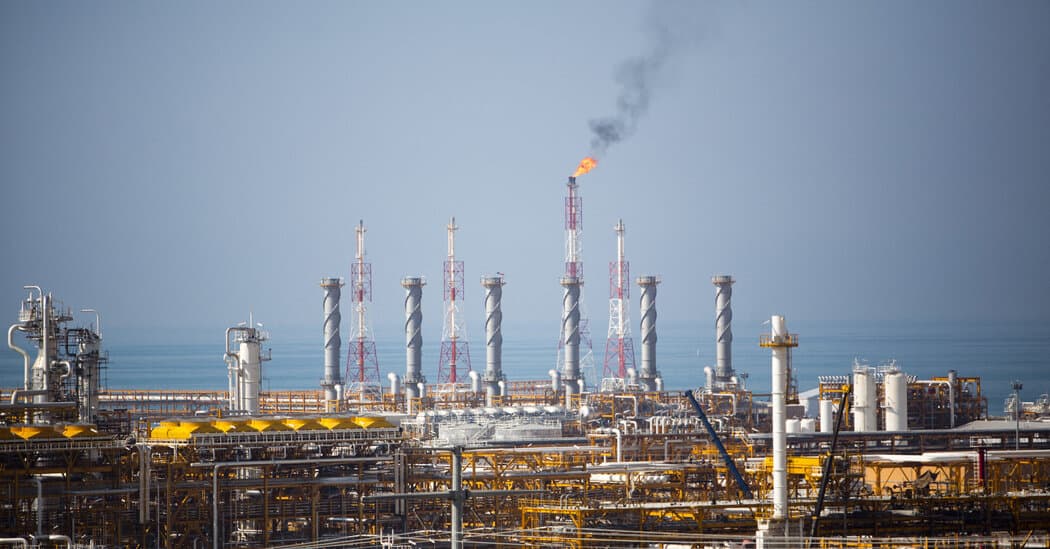
Iran accuses Israel of hitting South Pars gas field as markets surge
22 sources compared

Israel Kills Iran's Security Chief Ali Larijani in Overnight Strike
51 sources compared

Israel Kills Iran's Intelligence Minister Esmaeil Khatib in Tehran Strike
36 sources compared