Britainupdated 26m ago3 min read
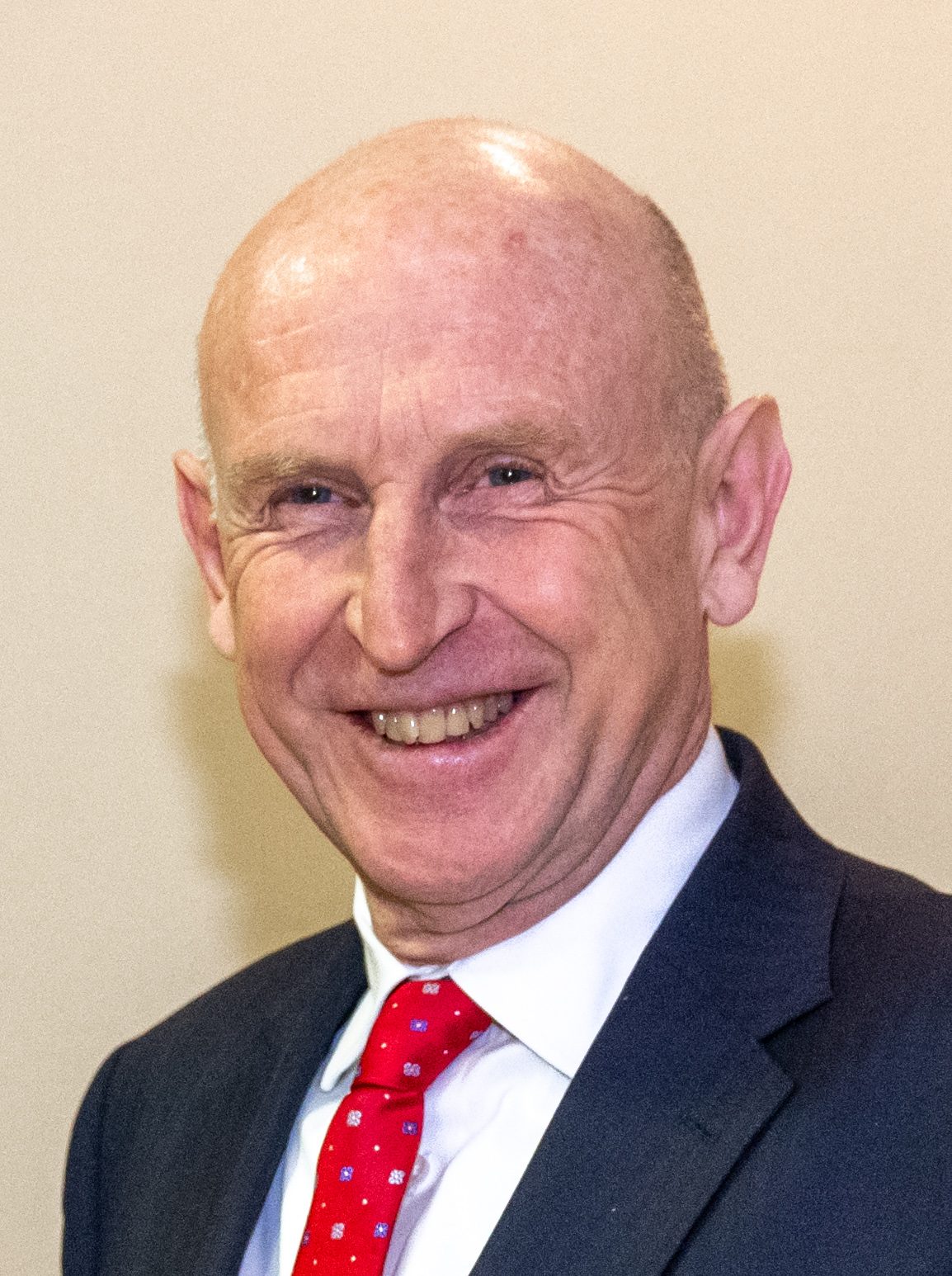
Archive photo · 8 January 2025John Healey Raises UK Bank Profit Surcharge To 6% To Fund £100 Energy Aid
10 Western Mainstream5 Local Western5 Other5 Other source typesPhoto: U.S. Secretary of Defense / US federal government, Public domain · Cropped for layout
This article is an automated aggregation of coverage from news outlets. Our editorials offer in-depth analysis curated by the NewsCord team.
Bank profits surcharge raised to 6% to fund £100 energy payment 20 million UK households will receive £100 energy payment this winter
25 outlets told this the same way.
Anadolu Ajansı was read line by line by the Watchdog: 0.0. See the score →
Bank levy funds energy aid
The British government announced a temporary increase in the surcharge on the profits of banks operating in the United Kingdom to 6%, from 3% currently, to finance energy aid. Finance Minister John Healey said, “In the midst of global economic storms, I am counting on our banks to help finance a bit of relief for British families,” as he presented the first budget of the Labour government of Andy Burnham. Healey said the extra charge would start in January 2027 and end 15 months later, and he described the policy as time-limited to fund immediate support for energy bills.
The government said it would provide a direct aid of 100 pounds to 20 million households in England, with the payment “paid directly into people’s bank accounts,” and it tied the measure to coping with the rise in energy bills linked notably to the war in the Middle East. The budget also set the surcharge timeline from January 2027 to March 2028, and the Treasury estimated £1.5 billion in revenue from the change.
Households, minimum wage, VAT
The government said the £100 winter energy payment would go to households in England in council tax bands A to D, and it said the money would appear in the bank account used to pay council tax from the start of January. Healey urged devolved governments to follow suit, telling them “give people of all nations in the UK breathing space on their energy bills this winter,” while the BBC noted that the payment would be done through council tax, a devolved matter. The budget extended the temporary elimination of VAT on electricity from 5% to 0% until July 2027, and it said the measure would allow an approximate saving of £50 per year on the bill of an average household.
The government also extended a cut in fuel duty until July, and it raised the minimum wage by 3.9% from April 2027 to £13.21 per hour for those over 21. The Office for Budget Responsibility projected growth of 1.2% in 2026 and 1% in 2027, while inflation would be around 3.5% next year, and it warned the fiscal situation remained “very difficult.”
Ukraine, defense, political fight
Healey announced £10 billion in additional support for Ukraine, and he said the package followed a telephone call with Ukrainian President Volodymyr Zelenskyy earlier in the day.
“‘He told us 'you've made my day,'’ Healey said.”
Zelenskyy welcomed the announcement and said the aid package included £7 billion in economic support for Kyiv over the next three years and another £3 billion in British export support.
On defense, Healey said the UK defense budget was £14 billion higher than in the final year of the Conservative government, and he said the government would set out in next year’s spending review how it plans to meet the NATO commitment to spend 3.5% of gross domestic product on defense by 2035.
Conservative leader Kemi Badenoch responded by accusing the government of resorting to “more debt, more tax increases, and, shock, more money for social benefits,” after asking “Is that all? Really? Is that all?”
The budget also pledged to allocate £15 billion for a military investment program and included £700 million to boost artificial intelligence and strengthen its security, while NATO Secretary-General Mark Rutte celebrated the defense commitments.