Full story
Aoun meets Trump
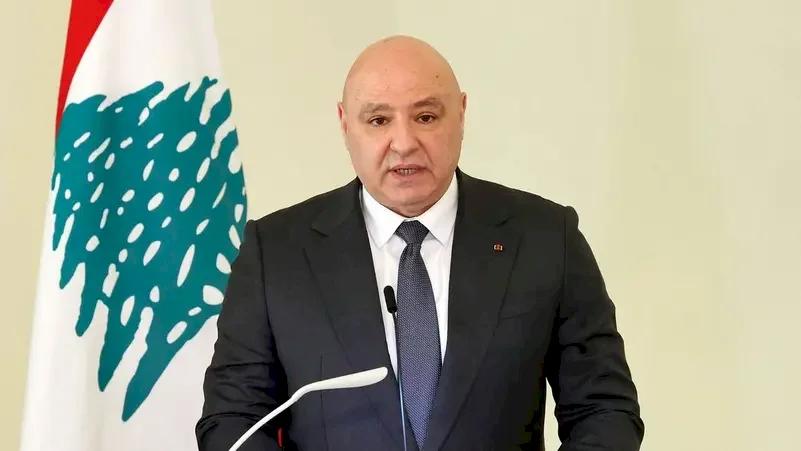
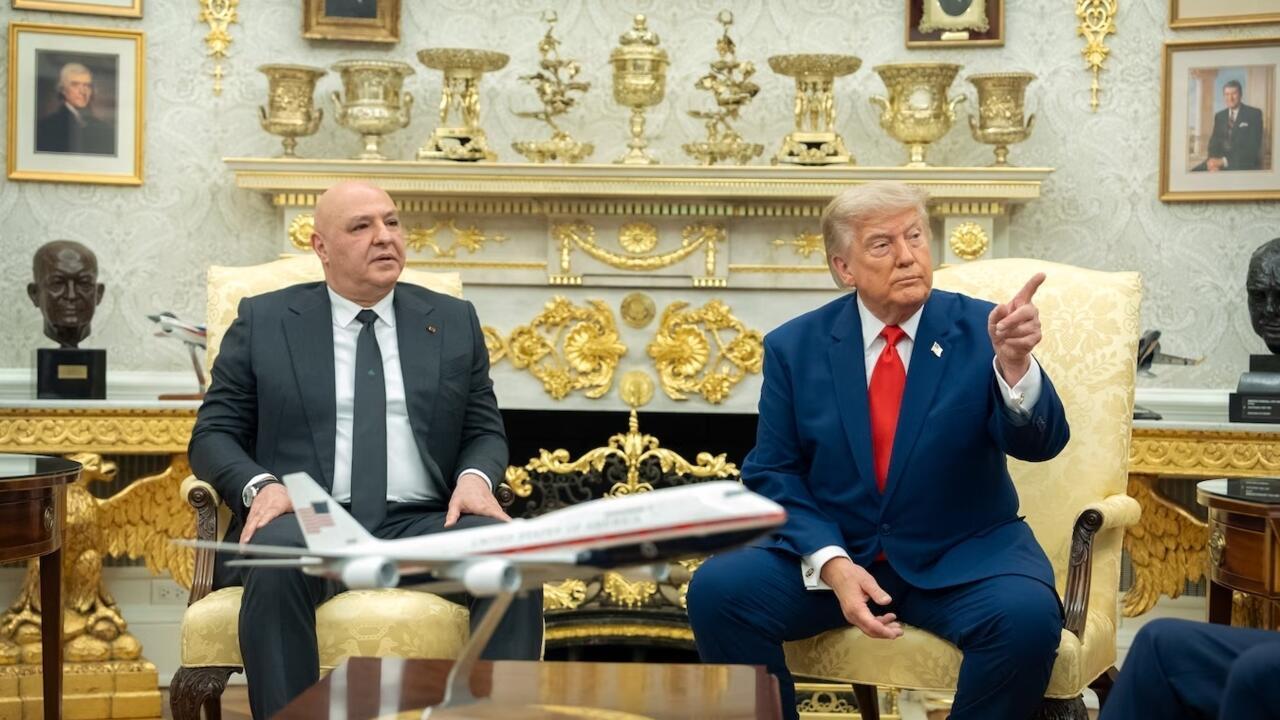
Lebanese President Joseph Aoun met U.S. President Donald Trump at the White House for talks focused on Israeli withdrawal from southern Lebanon, Hezbollah disarmament, support for the Lebanese army, and the bilateral relationship, with the meeting lasting two hours.
Trump pledged to provide significant assistance to Lebanon and announced allowing direct flights by American airlines to Lebanon after more than forty years, while Aoun stressed that a full Israeli withdrawal is a fundamental condition for stabilizing the region and enabling the Lebanese state to exercise full sovereignty.

Aoun and Trump discussed implementing the framework agreement signed on June 26 under American sponsorship, which calls for an incremental Israeli withdrawal from southern Lebanon, the Lebanese army’s deployment in areas Israel withdraws from, and the removal of weapons from armed groups with a ban on any military presence outside state institutions.
The talks also addressed the role of Syria in Hezbollah disarmament, with Trump praising Syrian President Ahmad al-Sharā’, while Beirut and Damascus both reject any Syrian intervention inside Lebanese territory.
Lebanon’s Prime Minister Nawaf Salam welcomed the direct-flight decision as an important opportunity to enhance travel and communication between the two countries and to support the Lebanese economy and relations with Washington.
Pilot zones begin
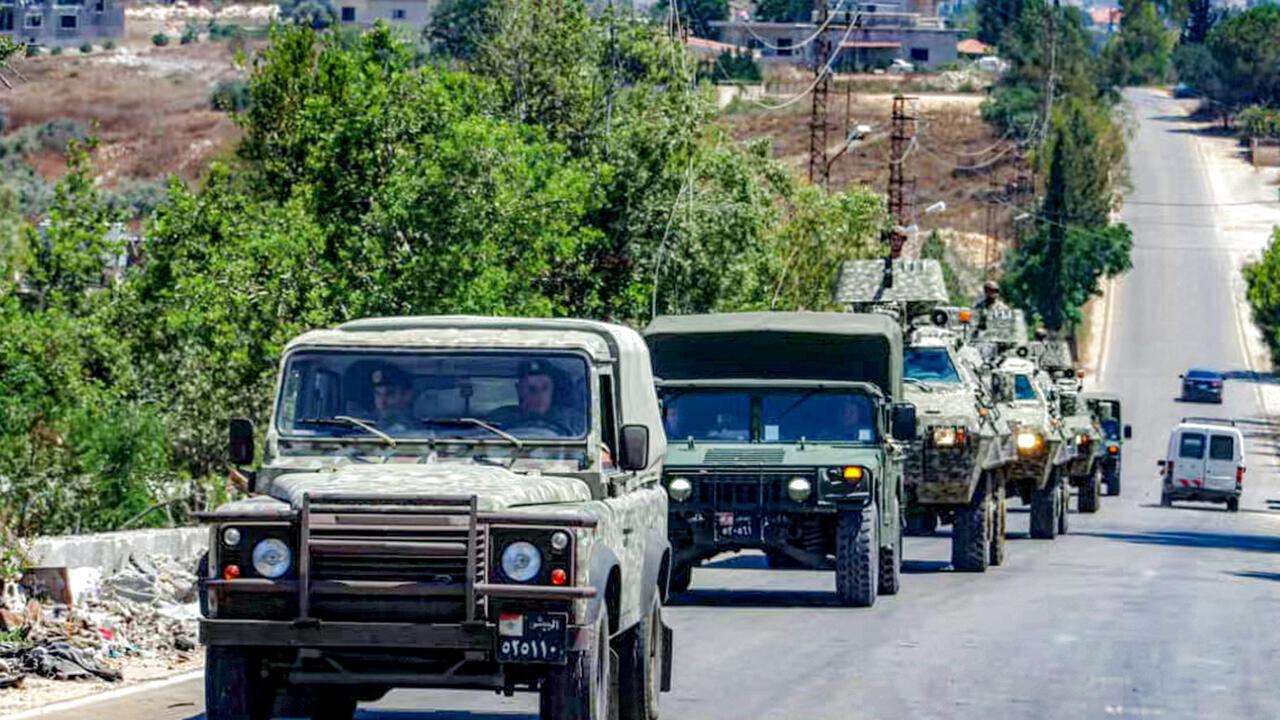
As “pilot zone” operations began in southern Lebanon under the U.S.-brokered framework agreement, Aoun sought Trump backing for an Israel pullback while the first pilot-zone steps were described as starting in the villages of Froun, Srifa and Zawtar al-Gharbiyeh.
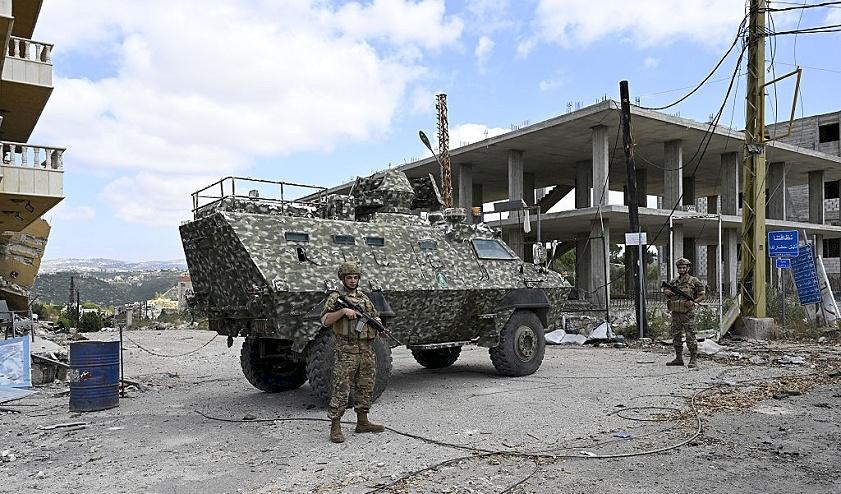
U.S. State Department spokesperson Tommy Pigott said pilot zone operations had begun in Froun, Srifa and Zawtar al-Gharbiyeh, while the Lebanese army later said its units had begun deploying in Zawtar al-Gharbiyeh based on contacts with the Military Coordination Group for Lebanon.

Middle East Eye reported that the situation in the three pilot zones was not uniform, with Froun and Srifa not directly occupied by Israeli troops but remaining under Israeli military oversight and control, while Israeli forces were still physically present in parts of Zawtar al-Gharbiyeh.
Hezbollah leader Naim Qassem rejected the agreement, calling it a surrender of sovereignty and opposing any link between Israeli withdrawal and Hezbollah’s disarmament, and Druze leader Walid Jumblatt criticized the agreement for failing to reference the 1949 Armistice Agreement.
In Washington, Rubio told reporters that “How do you replace Hezbollah? You defeat and replace them with a government that is strong enough to be the sole force of arms in the country,” as Lebanon pressed for long-term calm after months of war.
What’s at stake
The framework agreement’s implementation hinges on Hezbollah disarmament and on whether Israel’s withdrawal proceeds beyond the pilot zones, with the deal described as calling for the Lebanese army to take over security in areas Israel withdraws from while weapons and infrastructure of armed groups are removed.
Lebanon’s government and Aoun have urged continued U.S. support for the Lebanese army, warning that the absence of this support would lead to the collapse of everything, while Aoun told Trump, “I need two things from you: political support and supporting the LAF,” calling the Lebanese Armed Forces “the backbone of security and stability.”
Trump, speaking alongside Aoun, said Israeli forces are “in the process of withdrawing” under the agreement brokered with Washington’s backing, but emphasized that the next phase depends on Lebanon securing territory once controlled by the Iran-backed terror group.
The stakes for Lebanon’s internal security are reflected in warnings that any confrontation with Hezbollah could trigger a civil war, as government officials called for investment in damaged infrastructure to strengthen the weakened state.
Beyond the immediate security arrangement, the sources tie the diplomatic push to broader regional pressure, including the claim that Israel still occupies large swaths of southern Lebanon and that hundreds of thousands of Lebanese remain displaced under American and Israeli pressure on Beirut to proceed with Hezbollah disarmament.