Lebanon20 July, 20263 min read
U.S. Begins Pilot Zone Operations in Froun, Srifa, and Zawtar Al-Gharbiya
This article is an automated aggregation of coverage from news outlets. Our editorials offer in-depth analysis curated by the NewsCord team.
The United States announced start of implementing three experimental zones in southern Lebanon. Lebanese army deploying in Frun, Sarifa, and Zoutar al-Gharbiya under a trilateral framework.
Middle East Eye was read line by line by the Watchdog: 2.2. See the score →
Pilot zones begin
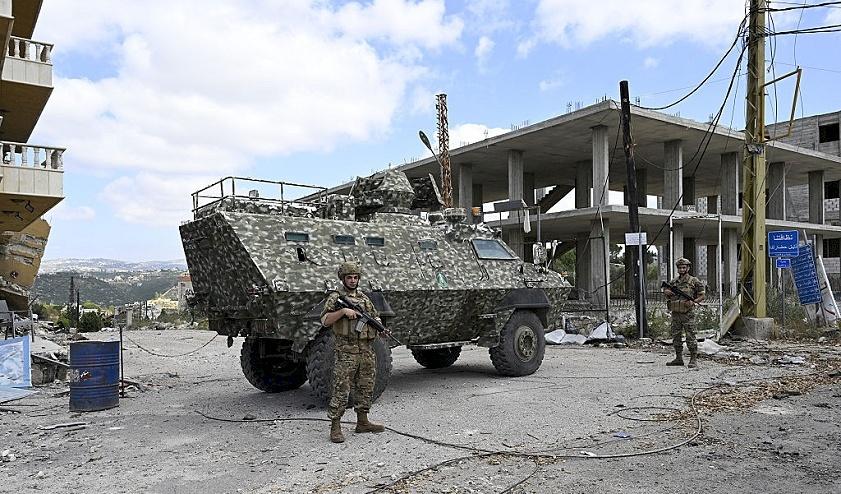
The United States began implementing “pilot zone operations” in three southern Lebanese villages—Froun, Srifa, and Zawtar Al-Gharbiya—under the “trilateral framework agreement” and “the Military Coordination Group for Lebanon.”
Lebanese President Joseph Aoun was set to meet U.S. President Donald Trump on Tuesday, after the framework’s first phase went into effect Monday, according to Middle East Eye.

The U.S. State Department said the operations began “in the villages of Frun, Sarifa, and Western Zutr (Zuṭr al-Gharbiyah),” and described the arrangement as a test before expanding to other areas in southern Lebanon, DW reported.
DW added that the Lebanese Armed Forces would be responsible for controlling these areas and for disarming Hezbollah while the Israeli army carried out a gradual withdrawal, and it noted that the agreement does not specify a timeline for withdrawal.
Middle East Eye reported that Israel has advanced far enough from its northern border to occupy one-fifth of Lebanese territory so far, spurred by Hezbollah’s rocket fire into Israel in March.
Debate over Hezbollah
The framework’s stated goal is to transfer control to the Lebanese Army and disarm Hezbollah as Israeli forces withdraw, but CNN said Israel pledged not to fully withdraw until Hezbollah is disarmed and forced to retreat from the border. CNN also described the ceasefire-brokered plan as requiring areas “to be free of Hezbollah,” and it said one of the towns identified by the U.S. was “the only one under Israeli control” while the other two were attacked by Israel during the war. An American official told An-Nahar that “the creation of the experimental zones gives the Lebanese state an actual opportunity to exert control over areas Hezbollah has dominated,” while warning that any attempt by Hezbollah to foil the process would undermine reconstruction and peace.
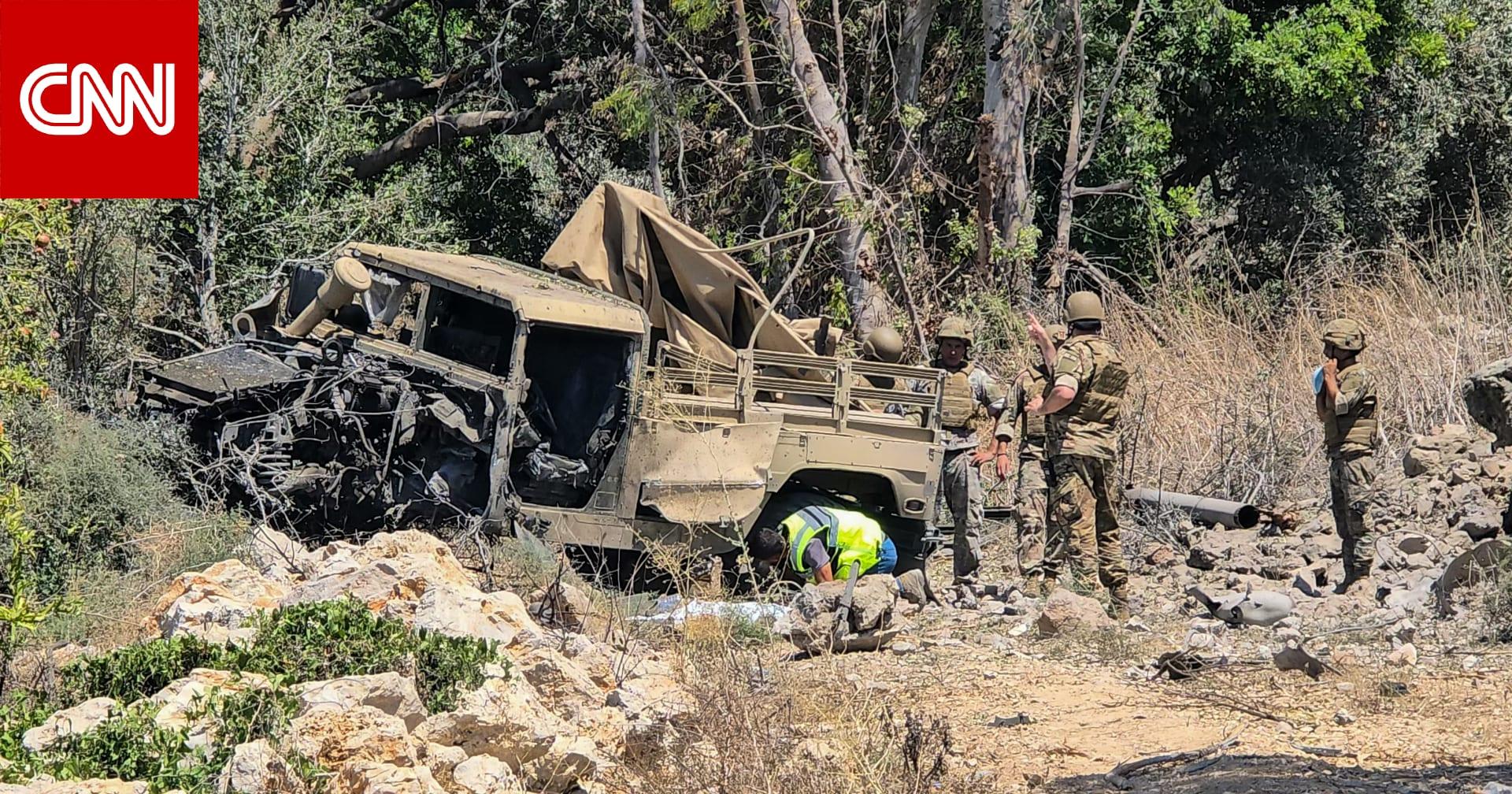
An-Nahar reported that Axios said the Israeli army’s withdrawal from the experimental zones would begin tomorrow, Tuesday, and it quoted the Lebanese Army’s Public Affairs Directorate urging civilians not to go to Zoutr al-Gharbiyah. An-Nahar further said an Israeli source told Haaretz that the Israeli army would withdraw from one of the three villages named in the American statement, while another Israeli source and a second insider said there was no ground presence in the other two and control was limited to intelligence via drones.
Aoun-Trump meeting stakes
The pilot-zone rollout is unfolding as Lebanon awaits a White House summit between Joseph Aoun and Donald Trump, with An-Nahar framing the timing as “tomorrow, Tuesday” and noting ongoing Israeli attacks and a widening confrontation between the United States and Iran.
An-Nahar reported that the U.S. State Department said the launch of the experimental zones is overseen by the Lebanon Special Military Coordination Group (MCG4L) and that the step is a direct result of discussions between Lebanon and Israel.
Libnanews said several newspapers portrayed the summit as determining whether Lebanon enters a phase of gradual restoration of its sovereignty or a new confrontation between Israel and Hezbollah, and it reported that Washington wants to support peace, economic recovery, and the authority of the state.
Libnanews also reported that the American administration believes keeping an armed force outside the authority of the state can no longer be considered a sustainable situation, placing Hezbollah’s weapons at the center of Washington’s expectations.
In parallel, Middle East Eye reported that Washington announced a “$30m boost to the LAF” and quoted Sami Halabi saying Hezbollah benefits politically if the framework fails, while the Israeli military confirmed the process is underway and said it would “respond forcefully to any violation of the agreement.”