Lebanonupdated 58m ago2 min read
Jean-Pierre Lacroix Meets Lebanon Leaders as UNIFIL Prepares Drawdown After Resolution 1701
This article is an automated aggregation of coverage from news outlets. Our editorials offer in-depth analysis curated by the NewsCord team.
Lacroix concludes three-day Lebanon visit, reiterates UN commitment to peace and stability. UNIFIL mandate ends 31 December 2026; Lebanon seeks renewal or extension.
The Times of Israel was read line by line by the Watchdog: 3.2. See the score →
UNIFIL drawdown and 1701
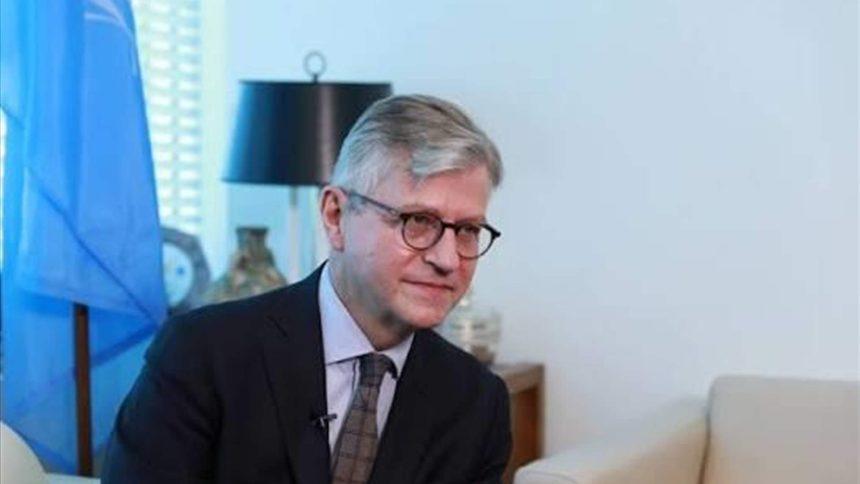
Jean-Pierre Lacroix reaffirmed the importance of Security Council resolution 1701 and the United Nations commitment to supporting peace and stability in Lebanon as UNIFIL prepares for drawdown and planned withdrawal at the end of its mandate on 31 December 2026. Lacroix met President Joseph Aoun, Parliament Speaker Nabih Berri, Prime Minister Nawaf Salam, Defense Minister Michel Menassa, Foreign Minister Youssef Rajji, and Lebanese Army Commander General Rodolphe Haykal to discuss implementation of Resolution 1701 and options for the period after UNIFIL’s departure. Lacroix also met UNIFIL’s leadership and civilian and military peacekeepers at UNIFIL headquarters in Naqoura, thanking them for their "continued dedication while serving in a particularly challenging operational environment."
Lacroix said Lebanese authorities have been clear that a third party, the UN, should be present to avoid unattended escalation and incidents spiraling out of control between the Israel Defense Forces and the LAF. UNIFIL continues to support Lebanon and Israel under Security Council resolution 1701 by "impartially monitoring developments and reporting violations" and facilitating humanitarian missions, according to a UNIFIL statement.

Lebanon presses for extension
President Joseph Aoun met Jean-Pierre Lacroix and reaffirmed Lebanon’s wish to keep UNIFIL in south Lebanon, while Aoun hoped the Security Council would approve Lebanon’s request to renew UNIFIL’s mandate for the coming year. Lacroix emphasized the necessity of hearing Lebanon’s wishes, saying, "it is vital — indeed imperative — that Lebanon’s voice be heard on this matter, as the country directly concerned,". The UNIFIL force counts some 7,500 personnel from nearly 50 countries, and the Times of Israel described UNIFIL as a buffer between Israel and Lebanon since 1978.
Aoun warned that UNIFIL’s withdrawal would create a vacuum with negative repercussions on the security situation in the region, and Aoun told Lacroix that Lebanon is keen on UNIFIL staying. Lacroix said he knew about Lebanon’s positions, including the letter requesting a temporary extension of the UNIFIL mandate, and he said the positions of the Lebanese authorities must be heard and taken into consideration.

Blue Line, risks, and casualties
Lacroix highlighted concerns over the future of the “Blue Line” and the need to support local communities in southern Lebanon after the withdrawal of UNIFIL, as he stressed the importance of Security Council Resolution 1701. Lacroix said the Lebanese authorities expressed their conviction that the presence of a third party, namely the United Nations, was necessary to prevent any uncontrolled escalation and to prevent incidents between Israel and the Lebanese army from deteriorating. VOI.ID reported that Lacroix said the on-the-ground situation in southern Lebanon remains "complex" amid ongoing military activity that has had a severe impact on the civilian population.
VOI.ID also said that Israeli attacks since March 2 have killed more than 4,000 people, injured 12,000, and forced more than 1 million people to flee. Lacroix told President Aoun that the UN Secretary-General António Guterres had presented options to the Security Council concerning the organization’s presence after the end of UNIFIL’s mission, and Aoun proposed keeping UNIFIL in Lebanon.