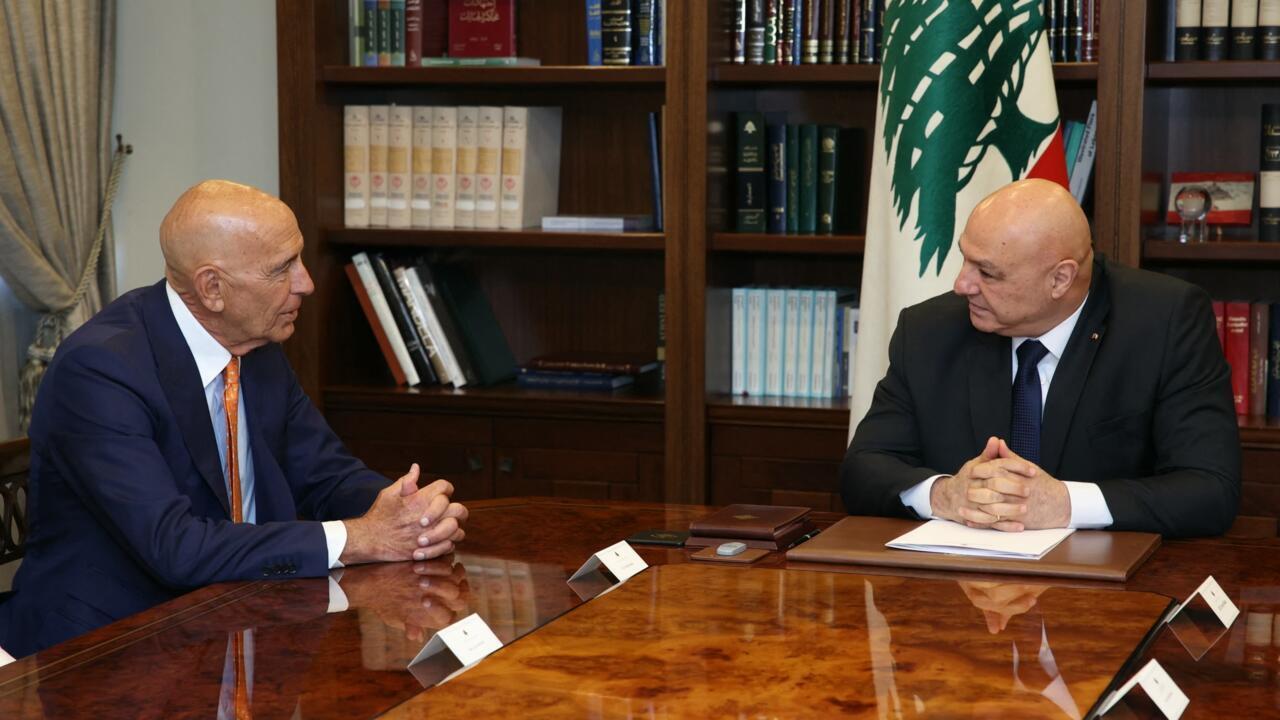
Joseph Aoun Rejects Hezbollah Criticism of Direct Israel Negotiations, Calls It Treason
Key Takeaways
- Aoun defends direct talks with Israel against Hezbollah opposition.
- Hezbollah opposes talks; Aoun labels that opposition treason.
- Direct talks take place in Washington under U.S. mediation.
Aoun vs Hezbollah
Lebanese President Joseph Aoun rejected Hezbollah’s criticism of direct negotiations with Israel, framing the dispute as a question of “treason” and sovereignty rather than diplomacy.
In a speech on April 27, Aoun said his goal of the negotiations is “to end the state of war with Israel, similar to the 1949 armistice agreements,” and he argued that “Those who dragged Lebanon into war are now trying to hold us accountable because we decided to negotiate.”

Aoun insisted, “What we are doing is not treason. Treason is committed by those who turn their own country into a battleground to serve foreign interests.”
The clash deepened after Hezbollah Secretary-General Naim Qassem accused Aoun of treasonous behavior by entering direct, US-mediated negotiations with Israel in April 2026, calling the talks a “humiliating concession” and “grave sin.”
Qassem also said Hezbollah would not retreat even if Israeli threats intensify, adding, “We will not surrender and we will not be disarmed.”
Aoun’s position was echoed by a Lebanese official source telling AFP that Aoun “is proceeding with the option of negotiations… there is no going back,” while Aoun also said on April 17 that all Lebanese were “on the same boat” and that no one should commit the “crime” of sinking it.
How the talks emerged
The dispute over whether Lebanon should negotiate directly with Israel has been unfolding against a backdrop of war and ceasefire arrangements that both sides describe differently.
The sources say Lebanon has officially been at war with Israel since 1948, and they describe direct negotiations as taboo until recently when two wars between Israel and Iran-backed Hezbollah exhausted the country.

Naharnet reports that Aoun pushed for direct talks while Hezbollah rejected them, leaving the country “once again at an impasse after a verbal spat between its leader and the Iran-backed movement.”
The timeline in the reporting ties the current round of hostilities to March 2, when Hezbollah and the Quds Force of Iran’s Revolutionary Guards fired rockets at Israel in support of Iran, and it says Israel and Lebanon later agreed to a 10-day ceasefire that took effect at 5 p.m. Eastern Time on April 16.
Reuters-linked reporting in the Courthouse News item says U.S. President Donald Trump announced a 10-day ceasefire that came into effect on April 17, and later announced a three-week extension after a second round of talks.
The sources also describe the diplomatic channel: Lebanon and Israel’s U.S. ambassadors held two meetings in Washington over the past weeks, “the first meetings of their kind in decades,” and the first meeting led to a truce in the Israel-Hezbollah war.
Voices and warnings
The sources present competing warnings and justifications from Lebanon’s presidency, Hezbollah leadership, and international actors, with each side using moral language to frame the negotiations.
Aoun told reporters that “Those who dragged Lebanon into war are now trying to hold us accountable because we decided to negotiate,” while he also said, “What we are doing is not treason,” and he added, “Treason is committed by those who turn their own country into a battleground to serve foreign interests.”
Hezbollah Secretary-General Naim Qassem responded by describing direct negotiations as a “grave sin” and a “humiliating concession,” and he said, “We will not surrender and we will not be disarmed.”
In a separate statement aired by Hezbollah’s channel Al-Manar, Qassem said, “We categorically reject direct negotiations with Israel, and those in power should know that their actions will not benefit Lebanon or themselves,” and he called on authorities to “back down from their grave sin that is putting Lebanon in a spiral of instability.”
The reporting also includes a warning from Israeli Defense Minister Israel Katz, who told the United Nations envoy to Lebanon Jeanine Hennis-Plasschaert that “fire will break out and engulf the cedars of Lebanon,” and Katz accused Aoun of “gambling with the future of Lebanon.”
U.S. President Donald Trump is also quoted in the sources as saying he hoped to host a “historic” meeting between Aoun and Israeli Prime Minister Benjamin Netanyahu at the White House, and he described a White House session as “highly successful” in a post on Truth Social.
Fracture inside Lebanon
Beyond the presidential and Hezbollah leadership statements, the sources describe how the negotiations are producing visible political and social division inside Lebanon.
Naharnet reports that experts and politicians in Lebanon fear causing a rift in Lebanon’s army, noting that the army once split along sectarian lines in 1976 during the Lebanese civil war, and it adds concerns about the army’s lack of capabilities to disarm the group.
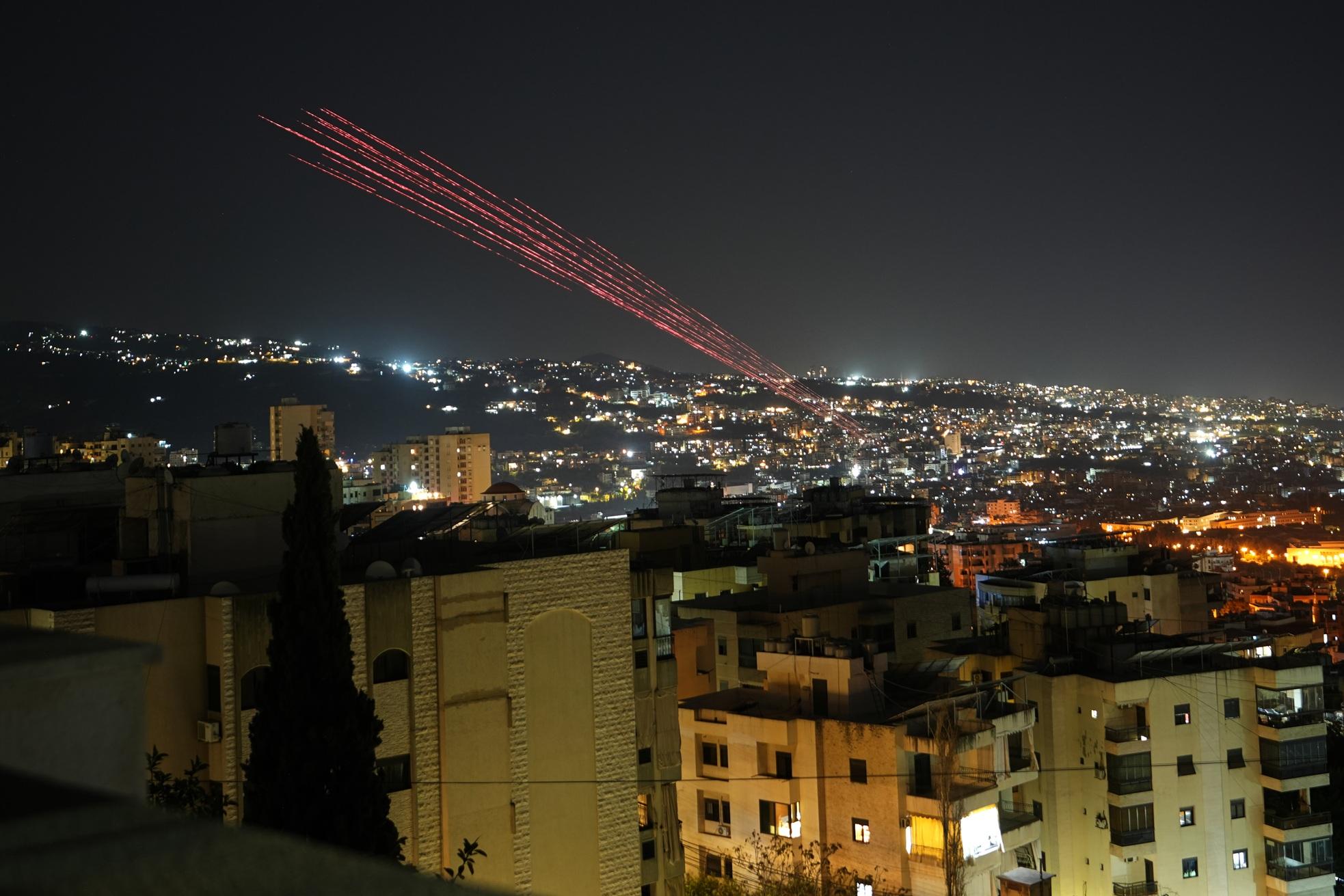
It also quotes Heiko Wimmen, a researcher at the International Crisis Group, saying that “The president saying Hezbollah is committing treason is certainly unprecedented language,” and Wimmen is quoted warning that while Aoun and the government can negotiate with Israel, they “cannot make commitments in these negotiations that (they) can deliver”.
The same article describes Hezbollah leader Sheikh Naim Qassem warning that direct talks may lead to a “spiral of instability,” and it quotes Qassem saying his group will deal with them “as if they do not exist... and they do not concern us in the slightest.”
Naharnet adds that the division is evident in Beirut, where billboards bearing Aoun’s image read “the decision is Lebanon's,” while graffiti on Beirut’s airport road says “no to normalization” and “Aoun is a traitor, Nawaf is a turncoat,” referring to the country’s prime minister.
The sources also tie the domestic dispute to the government’s disarmament efforts, with Al-Monitor reporting that the Lebanese government had tasked the army in August 2025 with placing the weapons of all armed groups under state control, and that Hezbollah’s refusal to cooperate has stalled a second phase.
Consequences and next steps
The sources portray immediate consequences in the form of continued strikes, casualty counts, and the legal-political question of what the truce allows, while also pointing to upcoming negotiation rounds.
“Aoun, the Lebanese prime minister, responds to Hezbollah by saying: "Treachery is a war waged for foreign interests”
Al Jazeera says Israel threatened to “burn” all of Lebanon after Hezbollah reiterated its defiance and rejection of peace talks, and it reports that Israel’s Defence Minister Israel Katz retorted that defiance would bring “catastrophic consequences.”

It also reports that Israeli attacks have killed 2,521 people since March 2, with a further 7,804 wounded, citing Lebanon’s Health Ministry.
Courthouse News says Israeli strikes have killed at least 36 people since the truce went into force, according to an AFP tally of Lebanese health ministry figures, and it adds that Israeli attacks on Lebanon have killed more than 2,500 people since March 2, according to Lebanese authorities.
The truce terms described in Courthouse News say Israel reserves the right to continue targeting Hezbollah to respond to “planned, imminent or ongoing attacks,” and Hezbollah strongly rejects the clause, with Qassem asking, “Has the government decided to work alongside the Israeli enemy against its own people?”
On the diplomatic track, Al-Rai Kuwaitiya reports that Lebanon is set for a second round of direct, preliminary talks with Israel on Thursday at the ambassadorial level in Washington at the U.S. State Department, and it names Lebanon’s ambassador to the United States Nida Hamadeh Muhaweed and Israel’s ambassador to Washington Yehiel Laiter.
More on Lebanon
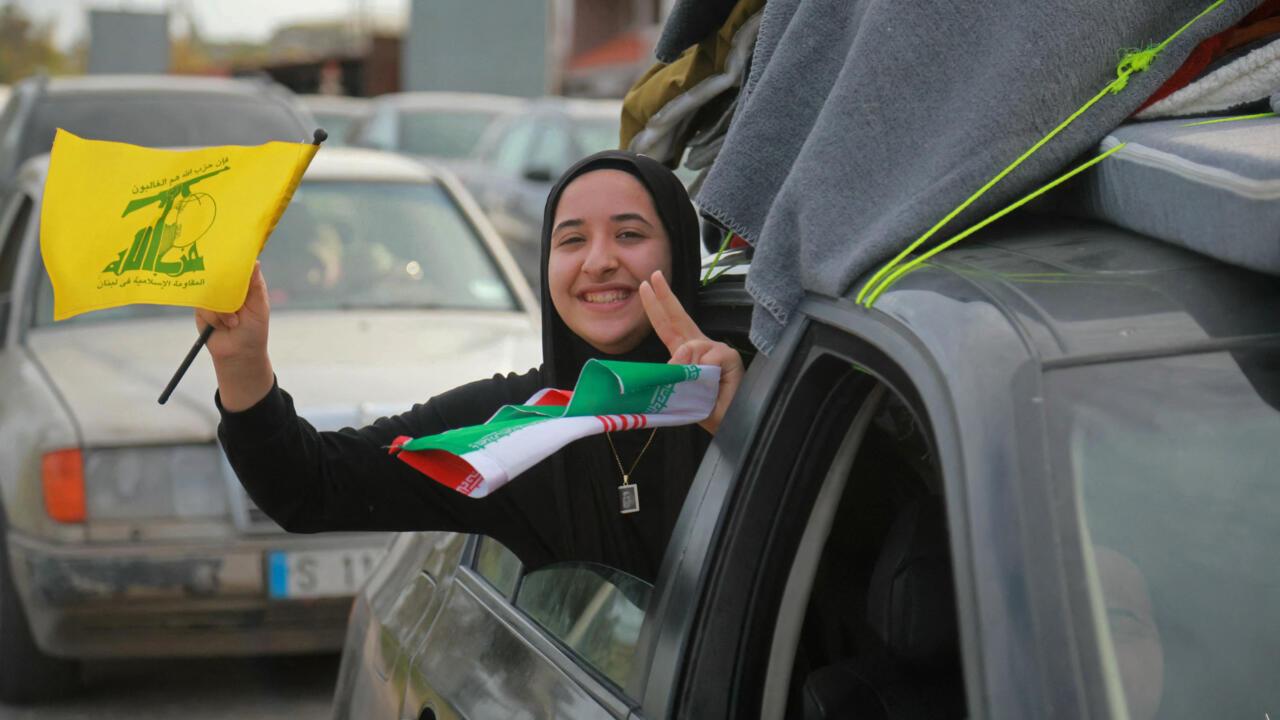
Hezbollah Lawmaker Ibrahim Al-Moussawi Says Joseph Aoun Remarks Would Be a Catastrophe
12 sources compared

Trump Tells Netanyahu To Limit Lebanon Strikes As Ceasefire Stalls
10 sources compared
UNICEF Warns Darfur Children Face Acute Crisis After April 2024 Violations
15 sources compared
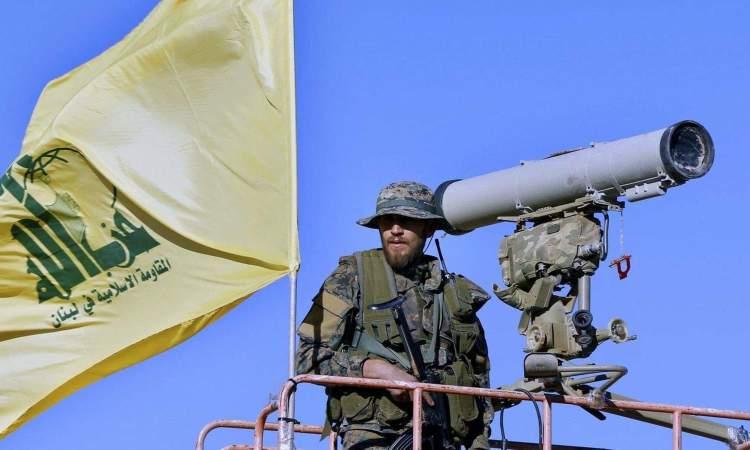
Hezbollah Fires Missiles and Drones, Striking Merkava Tanks in Al-Qantara and Kherbet Salam
14 sources compared