
Joseph Aoun Rejects Hezbollah Criticism of Direct US-Mediated Talks With Israel
Key Takeaways
- President Joseph Aoun rejects Hezbollah's criticism of direct talks with Israel.
- Negotiations aim to end hostilities between Lebanon and Israel.
- US-mediated talks involve ambassadors in Washington; a second round is planned.
Aoun vs. Qassem
Lebanese President Joseph Aoun rejected Hezbollah’s criticism of direct talks with Israel, pushing back by accusing those who “dragged Lebanon into war” of committing “treason” and insisting the negotiations are meant “to end the state of war with Israel, similar to the 1949 armistice agreements.”
“Israel has threatened to “burn” all of Lebanon after Hezbollah reiterated its defiance and rejection of peace talks as war across the border grinds on”
In a speech on April 27, Aoun said, “Those who dragged Lebanon into war are now trying to hold us accountable because we decided to negotiate,” and he added, “What we are doing is not treason. Treason is committed by those who turn their own country into a battleground to serve foreign interests.”
Hezbollah Secretary-General Naim Qassem responded by accusing Aoun of treasonous behavior for entering “direct, US-mediated negotiations with Israel in April 2026,” calling the talks a “humiliating concession” and “grave sin.”
Qassem also said Hezbollah would not retreat even if Israeli threats intensify, declaring, “We will not surrender and we will not be disarmed.”
A Lebanese official source told AFP that Aoun “is proceeding with the option of negotiations… there is no going back,” while Aoun also said on April 17 that all Lebanese were “on the same boat” and that no one should commit the “crime” of sinking it.
The dispute over whether to negotiate with Israel has therefore surfaced openly between the Lebanese government and Hezbollah, with Aoun framing the talks as a path to end hostilities and Hezbollah framing them as a betrayal of national rights.
Why talks became possible
The clash over negotiations is rooted in a broader timeline of ceasefires and renewed fighting that the sources tie to Hezbollah’s actions and subsequent diplomatic moves.
Hezbollah resumed attacks against Israel on March 2, “in response to strikes that killed Iran’s Supreme Leader Ayatollah Ali Khamenei,” and the sources describe the war as having been ongoing since Hezbollah’s actions and subsequent diplomatic moves.

Al Jazeera says Lebanon has since outlawed Hezbollah’s military activities and held the first direct negotiations with Israel since 1983, while the Courthouse News report says Lebanon and Israel’s U.S. ambassadors met twice in Washington over the past weeks for discussions “categorically rejected by Hezbollah.”
After the first round of talks, U.S. President Donald Trump announced a 10-day ceasefire that came into effect on April 17, and then announced a three-week extension after the second round of talks.
Al Jazeera adds that “Israel and Lebanon later agreed to a 10-day ceasefire, which took effect at 5 p.m. Eastern Time on April 16,” and that Trump extended the ceasefire by three weeks, while Hezbollah declared the truce “meaningless.”
The sources also connect the dispute to the government’s stated aim of disarming Hezbollah, with the Courthouse News report noting that the direct talks are “the latest point of contention after the government decided to disarm the group last year and outlawed its military activities in March.”
Voices and reactions
The sources portray the dispute as a direct rhetorical contest between Aoun and Hezbollah leadership, with additional warnings and conditions coming from Hezbollah and Israeli officials.
“BEIRUT (AFP) — Lebanon’s president said Monday direct negotiations with Israel aimed to end the Israel-Hezbollah war, adding that those who dragged Lebanon to war were the ones committing “treason” — a jab at Hezbollah, whose leader called the talks a “sin”
Aoun said, “My goal is to reach an end to the state of war with Israel, similar to the armistice agreement” of 1949, and he framed his position as rejecting “a humiliating agreement,” while also telling the public that “what we are doing is not treason.”
Hezbollah leader Naim Qassem countered by issuing a statement describing direct negotiations as “a grave sin,” and he urged authorities to “back down from their grave sin that is putting Lebanon in a spiral of instability.”
Qassem also insisted, “We will not give up our weapons … and the Israeli enemy will not remain on a single inch of our occupied land,” and he added that the Lebanese government “cannot continue while it is neglecting Lebanon’s rights, giving up land, and confronting its resistant people.”
On the Israeli side, Al Jazeera reports that Israeli Defence Minister Israel Katz retorted that Hezbollah’s defiance would bring “catastrophic consequences,” and Katz said, “If the Lebanese government continues to take cover under the wing of the Hezbollah terrorist organisation, fire will break out and engulf the cedars of Lebanon.”
In the same reporting, Qassem asserted in a statement that Lebanese people have “two options: “Liberation and pride or occupation and humiliation,” and he said, “We are continuing our defensive resistance for Lebanon and its people.”
How outlets frame the same fight
While the core facts of Aoun’s push for talks and Hezbollah’s rejection appear across the reports, the sources frame the dispute through different emphases—legal legitimacy, political risk, and operational military context.
Naharnet frames the standoff as a deepening “Lebanon divide,” quoting Heiko Wimmen of the International Crisis Group telling AFP that “The president saying Hezbollah is committing treason is certainly unprecedented language,” and it adds that experts fear a rift in the Lebanese army if Hezbollah faces it militarily.
Naharnet also highlights the truce terms, quoting that Lebanon would “take meaningful steps to prevent Hezbollah... from carrying out any attacks... against Israeli targets,” while noting that the terms do not specify the type of support.
Al Jazeera, by contrast, foregrounds the immediate military and threat exchange, reporting that Israel threatened to “burn” all of Lebanon and that Hezbollah reiterated defiance and rejection of peace talks as “war across the border grinds on.”
Al Jazeera also includes Israel Katz’s warning that Qassem was “playing with fire … [that] will burn Hezbollah and all of Lebanon,” and it reports that “According to Lebanon’s Health Ministry, Israeli attacks have killed 2,521 people since March 2, with a further 7,804 wounded.”
Courthouse News focuses on the diplomatic sequence and the ceasefire mechanics, describing the U.S.-mediated talks and quoting Aoun’s “treason” argument alongside Hezbollah’s “sin” language, while also reporting that Israel said “over the past days, more than 50 terror infrastructure sites were dismantled.”
What comes next
The sources describe a near-term diplomatic timetable alongside continuing battlefield activity, leaving Lebanon’s leadership and Hezbollah facing immediate choices about whether the ceasefire can hold and what any “permanent and comprehensive settlement” would require.
“Hezbollah, president clash over Israel talks deepens Lebanon divide With President Joseph Aoun pushing for direct talks with Israel while Hezbollah rejects them, the country is once again at an impasse after a verbal spat between its leader and the Iran-backed movement”
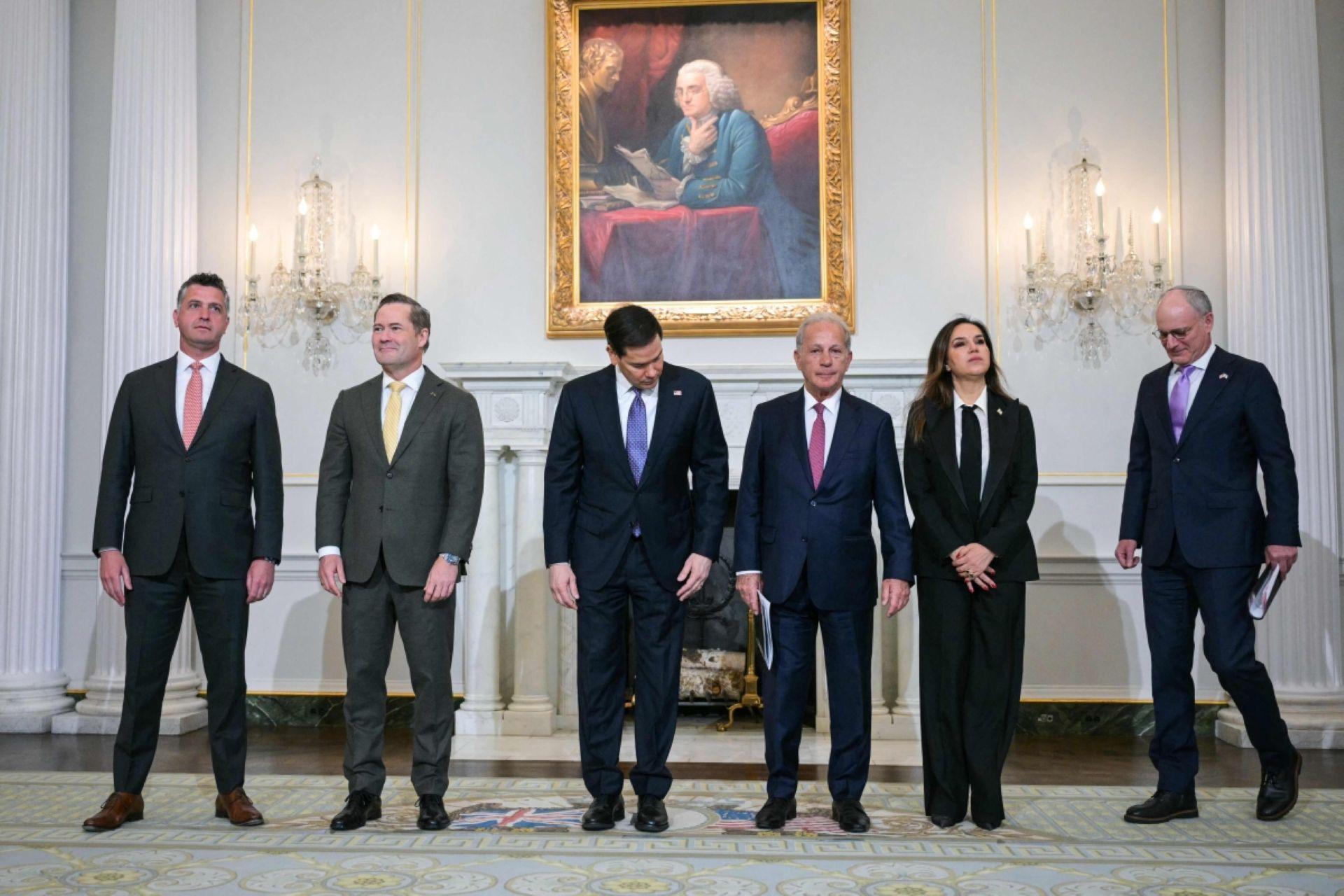
One report says Lebanon will enter a second round of direct preparatory talks between Lebanon and Israel at the level of the two countries’ ambassadors in Washington on Thursday at the U.S. State Department headquarters, naming Lebanon’s Ambassador to the United States Nada Hamade Muawwad and Israel’s Ambassador to Washington Yehiel Leiter.

That same report states the meeting is intended as a platform for renewing the ceasefire announced for 10 days and beginning to take effect on the 17th of this month, and it says Beirut has begun preparing the papers related to a higher level of negotiations to reach a permanent and comprehensive settlement based on “two papers.”
Another report says a second round of talks held last Thursday at the White House resulted in extending the cease-fire for three weeks, with a new end date set for May 17, and it quotes Trump describing the gathering as “very successful.”
At the same time, Al Jazeera reports that despite the formal ceasefire, “the Israeli army and Hezbollah have continued to trade fire,” including Israeli strikes on what it called Hezbollah infrastructure sites in the Bekaa Valley and attacks targeting towns of Tibnin, Yater and Bint Jbeil.
Courthouse News adds that Israeli strikes have killed at least 36 people since the truce went into force, according to an AFP tally of Lebanese health ministry figures, and it quotes the truce terms released by the U.S. State Department that Israel reserves the right to continue targeting Hezbollah to respond to “planned, imminent or ongoing attacks.”
More on Lebanon
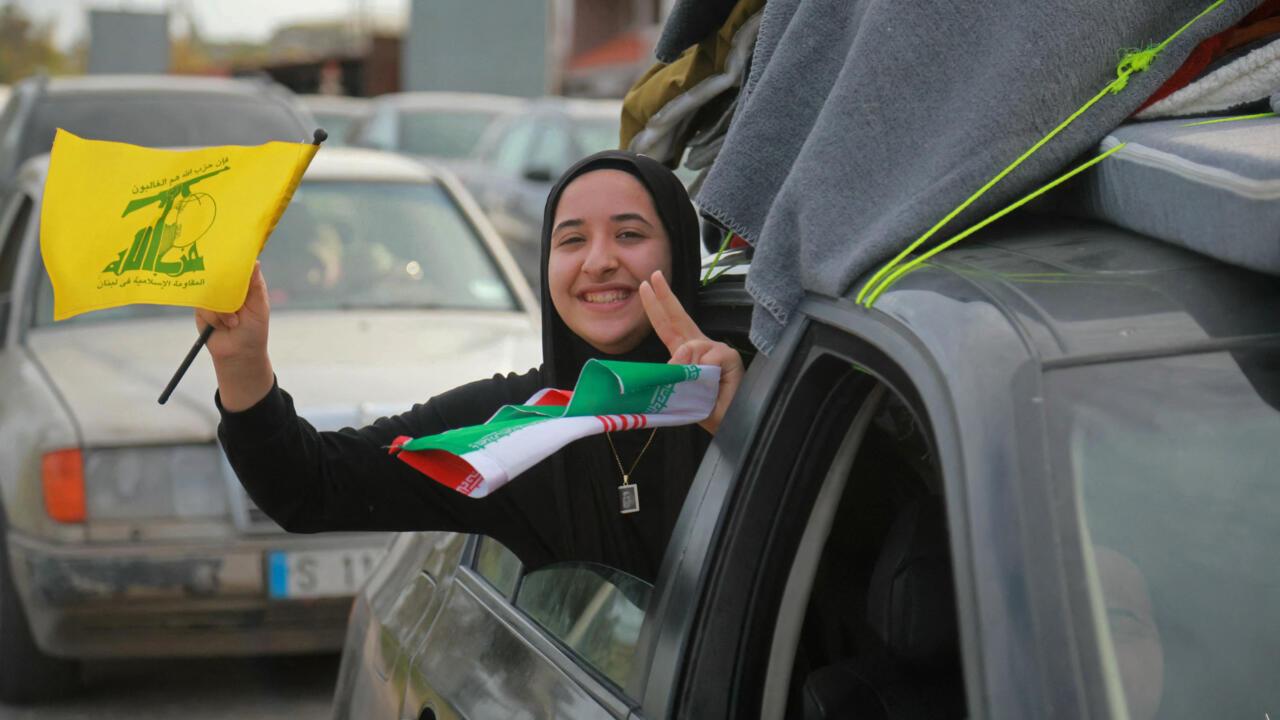
Hezbollah Lawmaker Ibrahim Al-Moussawi Says Joseph Aoun Remarks Would Be a Catastrophe
12 sources compared

Trump Tells Netanyahu To Limit Lebanon Strikes As Ceasefire Stalls
10 sources compared
UNICEF Warns Darfur Children Face Acute Crisis After April 2024 Violations
15 sources compared
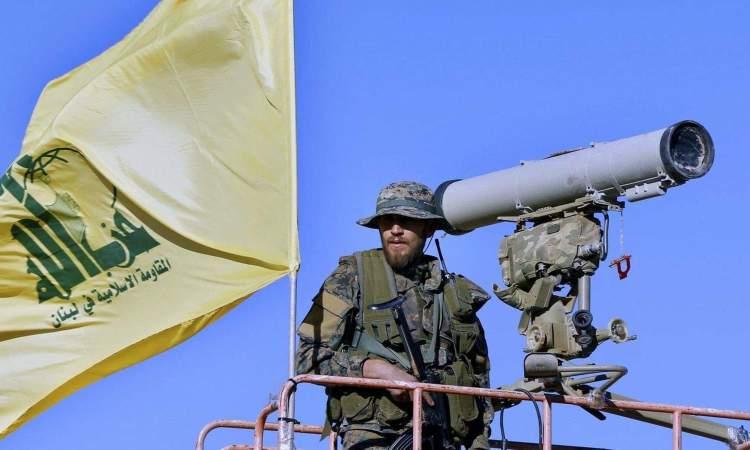
Hezbollah Fires Missiles and Drones, Striking Merkava Tanks in Al-Qantara and Kherbet Salam
14 sources compared