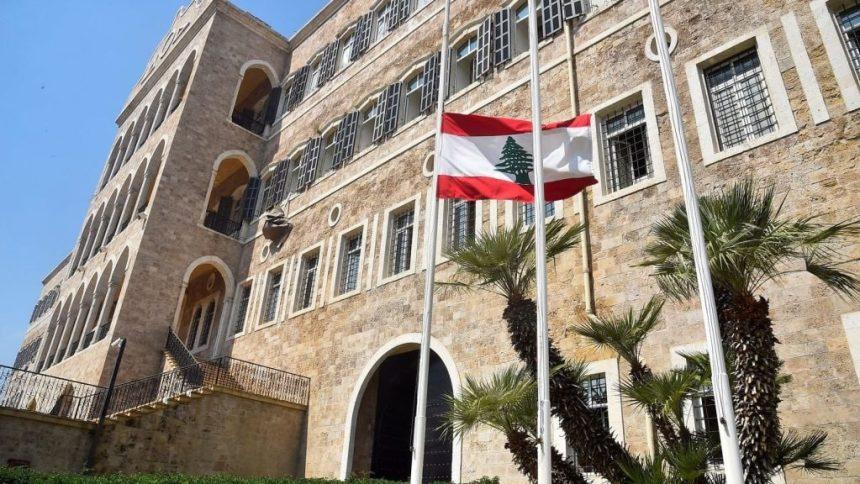
Joseph Aoun Rejects Israeli Occupation as Talks Resume in Washington
Key Takeaways
- Lebanese President Joseph Aoun rejects Israeli occupation and foreign interference as talks resume.
- Fifth round of Israel-Lebanon talks began in Washington.
- Beirut asserts sovereignty and rejects foreign tutelage during U.S.-mediated negotiations.
Talks Resume in Washington
Lebanese President Joseph Aoun rejected Israel’s continued military presence in southern Lebanon and denounced foreign interference as a fifth round of Israel-Lebanon talks got underway in Washington.
In a statement released by his office, Aoun said, "We accept nothing less than an end to the Israeli occupation and, at the same time, the fall of foreign tutelage," framing his position as a bid for national sovereignty.

The negotiations unfolded amid renewed violence in southern Lebanon despite a fragile ceasefire between Israel and the Iran-backed Hezbollah movement, with Lebanon’s National News Agency reporting that two civilians were killed on Tuesday after Israeli forces opened machine-gun fire near an excavator clearing a road in Nabatieh al-Fawqa.
Lebanon’s Health Ministry later confirmed the fatalities, while the Israeli military offered a different account, saying its troops fired warning shots at four suspected Hezbollah operatives traveling on a bulldozer and a motorcycle before opening additional fire "to remove the threat."
Hezbollah and U.S. Mediation
Hezbollah condemned the Nabatieh al-Fawqa incident as a "blatant" violation of the ceasefire and described it as a "treacherous attack," while the Israeli army said it had identified "a cell of armed terrorists" operating near its forces inside an Israeli-declared security zone extending roughly 10 kilometers into southern Lebanon.
In a separate thread of diplomacy, Lebanese President Joseph Aoun and U.S. Vice President JD Vance discussed a de-confliction mechanism for Lebanon on Monday, with Aoun’s office saying the move aimed to prevent spiralling Israel-Hezbollah violence.

Vance later told a press conference in Switzerland that the "de-confliction mechanism" was being set up to ensure "that when things happen, they don't spiral into a broader escalation".
The BSS/AFP report also quoted Netanyahu saying his directive to the IDF was clear and that Israeli forces had been granted "full freedom" to engage any threat encountered in southern Lebanon, reaffirming that troops would remain deployed as long as deemed necessary.
Sovereignty, Pressure, and Next Steps
Aoun’s rejection of foreign interference and insistence on Lebanese sovereignty was echoed in reporting that he met with Army Commander General Rodolphe Haykal and members of the Lebanese advisory team accompanying the negotiations in Washington.
“Iran says it supports regional diplomacy and welcomes Türkiye's stance on Gaza - The Iranian foreign minister said that a war in the region would endanger all countries and described Ankara as a key partner in resisting any external interference Merve Berker January 30, 2026 • Updated: January 30, 2026 Ankara AA / Ankara / Merve Berker Tehran reaffirmed on Friday its commitment to peace and regional diplomacy, while praising Türkiye's position in the face of current security challenges and Israeli attacks against Gaza”
In that meeting, Aoun said, "Today, and in the coming two days, we embark on a new round of talks," and he added that he would accept nothing less than "the complete end of the Israeli occupation of southern Lebanon and the end of all foreign interference."
The Jerusalem Post reported that more than 400 Lebanese public figures backed the “A Call to Save Lebanon” initiative, which calls for civilians to support Beirut, legitimate institutions, and diplomatic processes while opposing both Iranian interference and Israel’s presence in southern Lebanon.
The same report quoted Lebanese Forces leader Samir Geagea in an open letter to U.S. Vice President JD Vance, accusing Hezbollah of usurping “national decision-making, weakening legitimate institutions, preventing the establishment of an effective and capable state, and furthermore, embroiling Lebanon in conflicts and wars linked to Iranian agendas”.
More on Lebanon

Israeli Troops Kill Two Men Near Nabatieh Al-Fawqa After Ceasefire Lull
11 sources compared
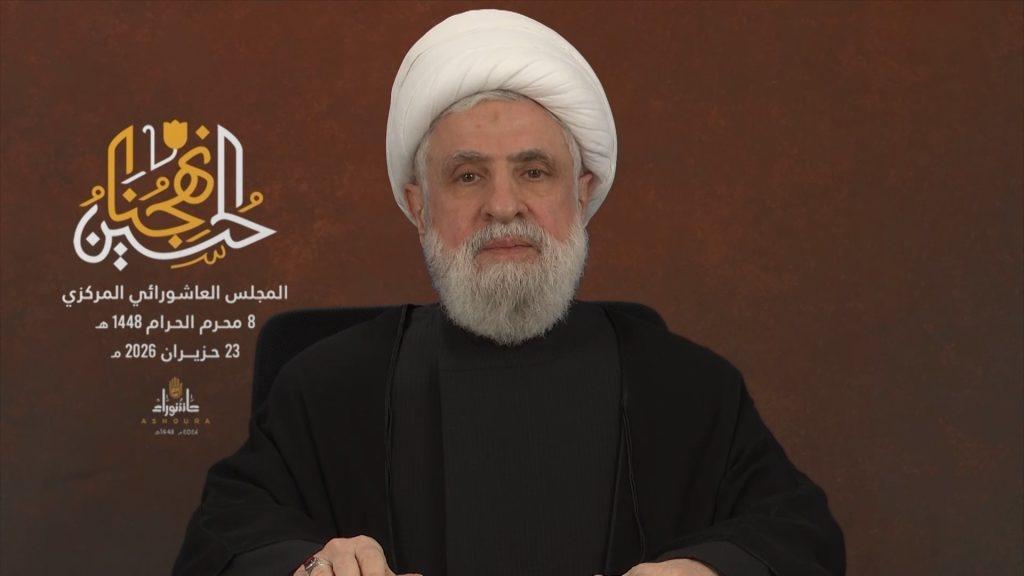
Hezbollah Chief Naim Qassem Demands Israel Fully Withdraw From All Lebanese Territory
13 sources compared
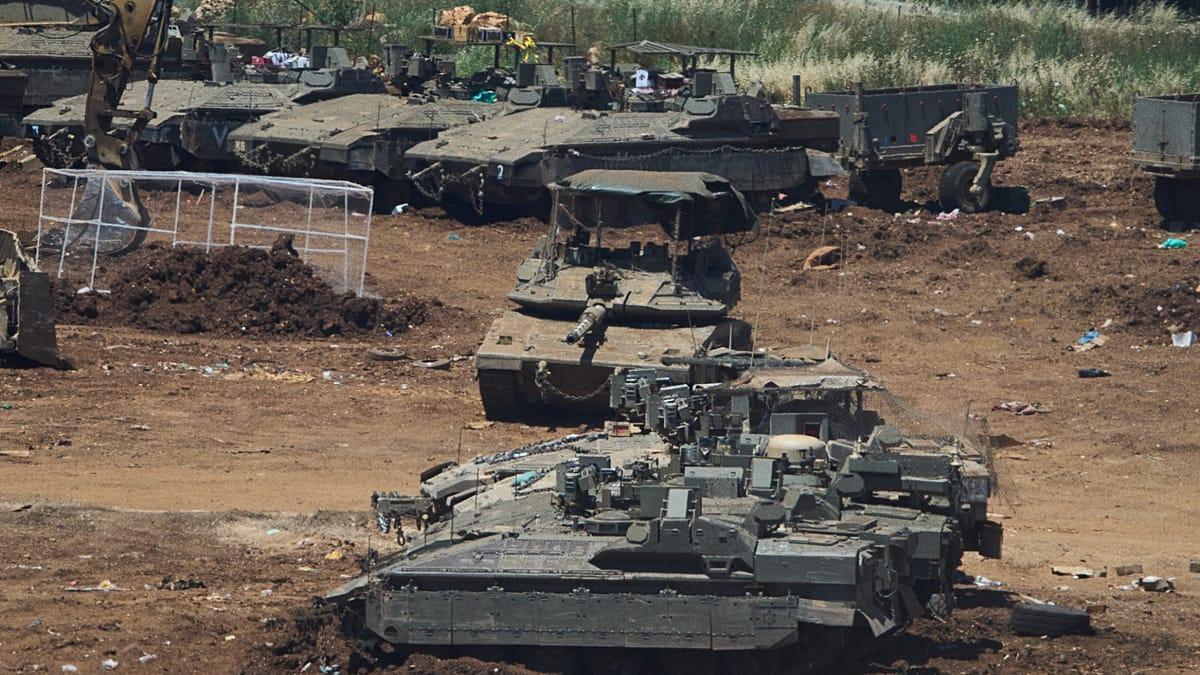
Israel’s Defense Minister Says Military Operations Will Continue After US-Mediated Lebanon Ceasefire
10 sources compared

Netanyahu Vows IDF Freedom Of Action In Southern Lebanon After US Ends Unrestricted Authorization
13 sources compared