Gaza Genocide22 April, 20265 min read
Julian Casablancas Criticizes American Zionists In Subway Takes Interview
This article is an automated aggregation of coverage from news outlets. Our editorials offer in-depth analysis curated by the NewsCord team.
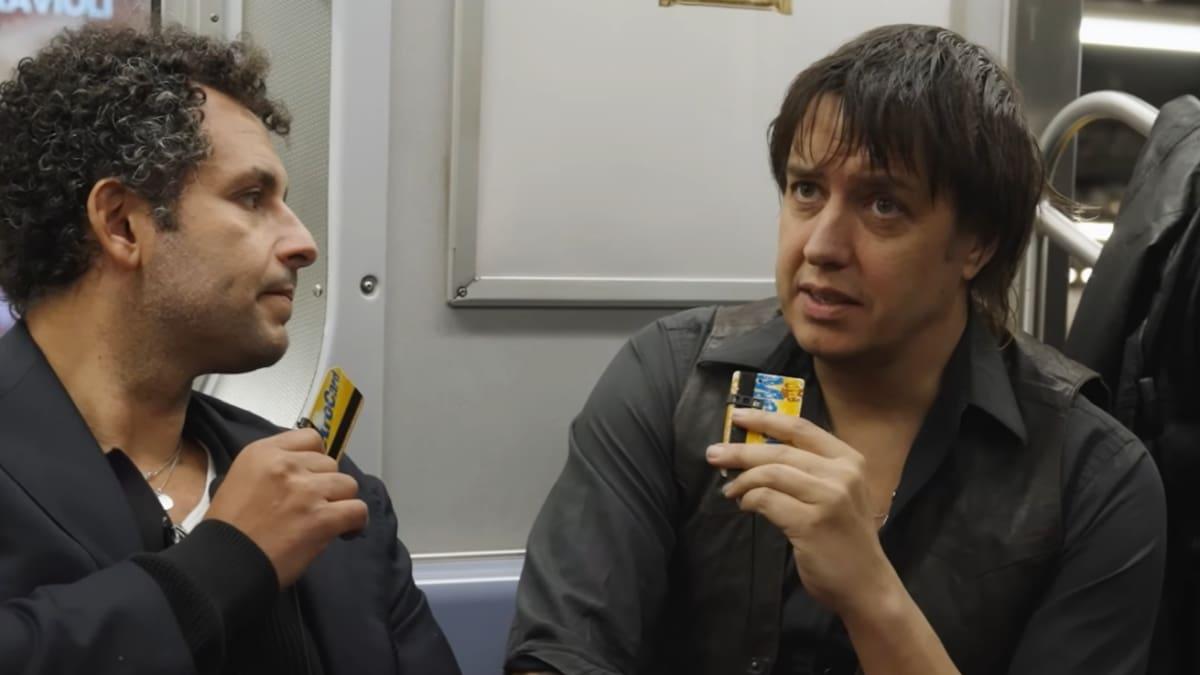
Casablancas described American Zionists as privileged white people who talk like Black people during slavery. The remarks were made on Subway Takes with Kareem Rahma in an uncut edition.
Casablancas’ Gaza-linked remarks
Rock musician Julian Casablancas, frontman of The Strokes, used a Subway Takes appearance to criticize “American Zionists” in language tied to the Israel-Gaza war.
“Just for the people that are going to be like, 'Hamas, October 7th.' Yes, bad.”
In the interview on a web series posted Tuesday, Casablancas said, “American Zionists get the benefits of white privileged people, but talk like they are Black people during slavery.”
Kareem Rahma, the host of Subway Takes, responded immediately with “100% agree,” and later said, “I’ve never seen something so shocking where they’re like, ‘I’m so oppressed.’”
Rahma then connected the exchange to the war, saying, “You are going to a wedding in Tel Aviv right now when there are 80,000-plus dead people, including women and children, half a mile away.”
Casablancas also addressed what he called the “people that are going to be like, ‘Hamas, October 7th.’ Um, yes, bad,” while adding, “But Native American rebellions didn’t mean it was okay to do what we did.”
The remarks were framed as part of a broader set of political comments that followed The Strokes’ Coachella finale, where the band used a video montage criticizing U.S. actions in Iran and Gaza.
How the comments were delivered
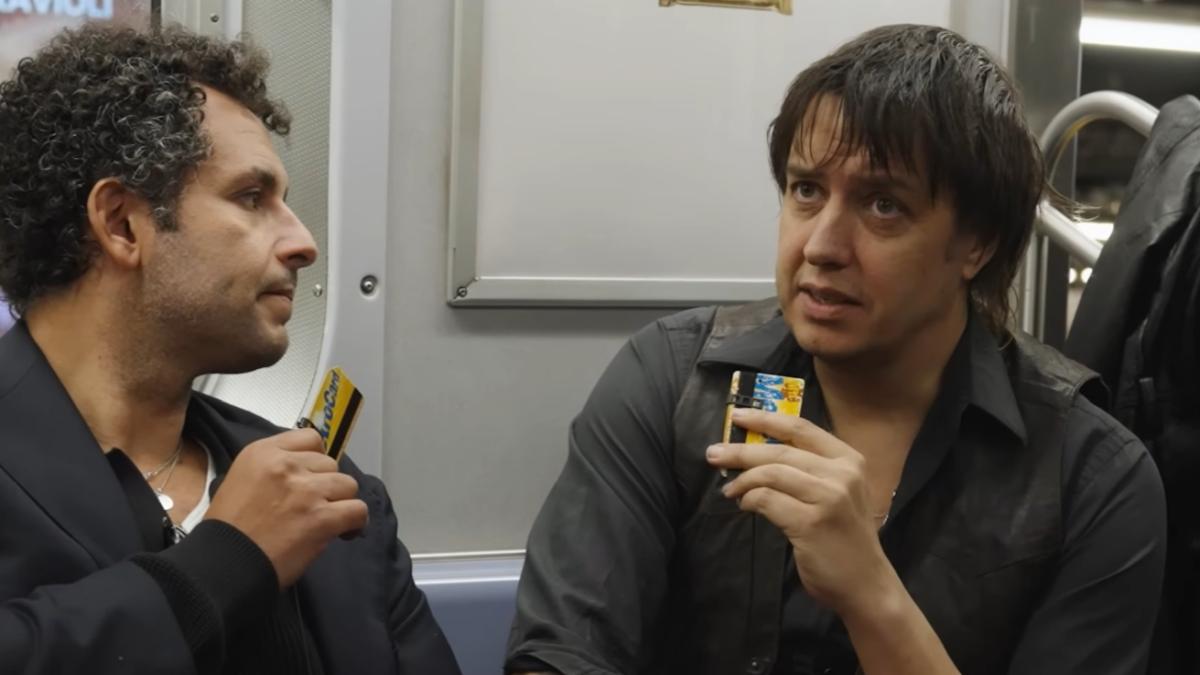
Multiple outlets described the Subway Takes segment as a “21-minute” uncut interview posted Tuesday, with Kareem Rahma interviewing New Yorkers about “their most controversial opinions.” The Times of Israel said the comment appeared in a “21-minute ‘uncut’ edition” of SubwayTakes, and described Rahma as responding with “100% agree” after Casablancas’ statement. Stereogum similarly reported that Rahma asked for the singer’s “most controversial take,” and quoted Casablancas’ answer about “American Zionists” and slavery-era language.
Consequence of Sound described the same exchange as Casablancas naming the “privilege of Zionists living in the United States” as one of his “most controversial takes,” and it quoted Rahma’s agreement as “I’ve never seen something so shocking where they’re like, ‘I’m so oppressed.’” Far Out Magazine and Clash Magazine both described the Subway Takes appearance as Casablancas joking with Rahma that it was “nice having a career with you,” before delivering the “white privileged people” line. In addition to the Zionism remarks, outlets reported that Casablancas discussed other hot takes on Subway Takes, including being anti-long audio voice messages and calling for conservatives and progressives to come together to “do a non-corporate consensus populist party to fight the real billionaire gang agenda.”
Coachella’s Iran and Gaza backdrop
The Subway Takes comments were reported as following The Strokes’ Coachella set, where the band used a video to condemn U.S. actions in Iran and Gaza. Stereogum said, “Over the weekend, the Strokes ended their Coachella set with a video condemning US actions in Iran and Gaza,” and then described Casablancas’ Subway Takes appearance calling out American Zionists. The San Francisco Chronicle reported that the remarks came “just days after the Strokes closed their second Coachella Valley Music and Arst Festival set on Saturday, April 18,” and said the band’s montage criticized “U.S. foreign intervention” and showed imagery tied to “Iran and Gaza.”
Clash Magazine likewise described the Coachella finale as “provocative style” and said the band beamed “images of American Imperialist destruction” during the finale. The Times of Israel added that Casablancas’ comments were “Earlier this week” after the band used its “final song at the Coachella music festival to condemn the US-Israeli war on Iran and Israel’s campaign in Gaza.” Consequence of Sound described the same Coachella context as a video while playing “Oblivious,” criticizing the actions of the United States in Gaza and Iran and displaying “images of multiple world leaders allegedly targeted by the CIA.”
Backlash, editing, and public framing
Outlets described how the Subway Takes clip circulated in different forms and how the political remarks were received. The Times of Israel said the full-length video was posted to the “SubwayTakes” YouTube channel, which it described as having “nearly 1 million subscribers,” and it said an abridged version “without the comments about American Zionists” was shared to other SubwayTakes channels on Instagram and TikTok. The Times of Israel also reported that in the comments section, some viewers said Casablancas represented “a model for how artists should take a stand against Israel and its supporters,” including a quoted comment.
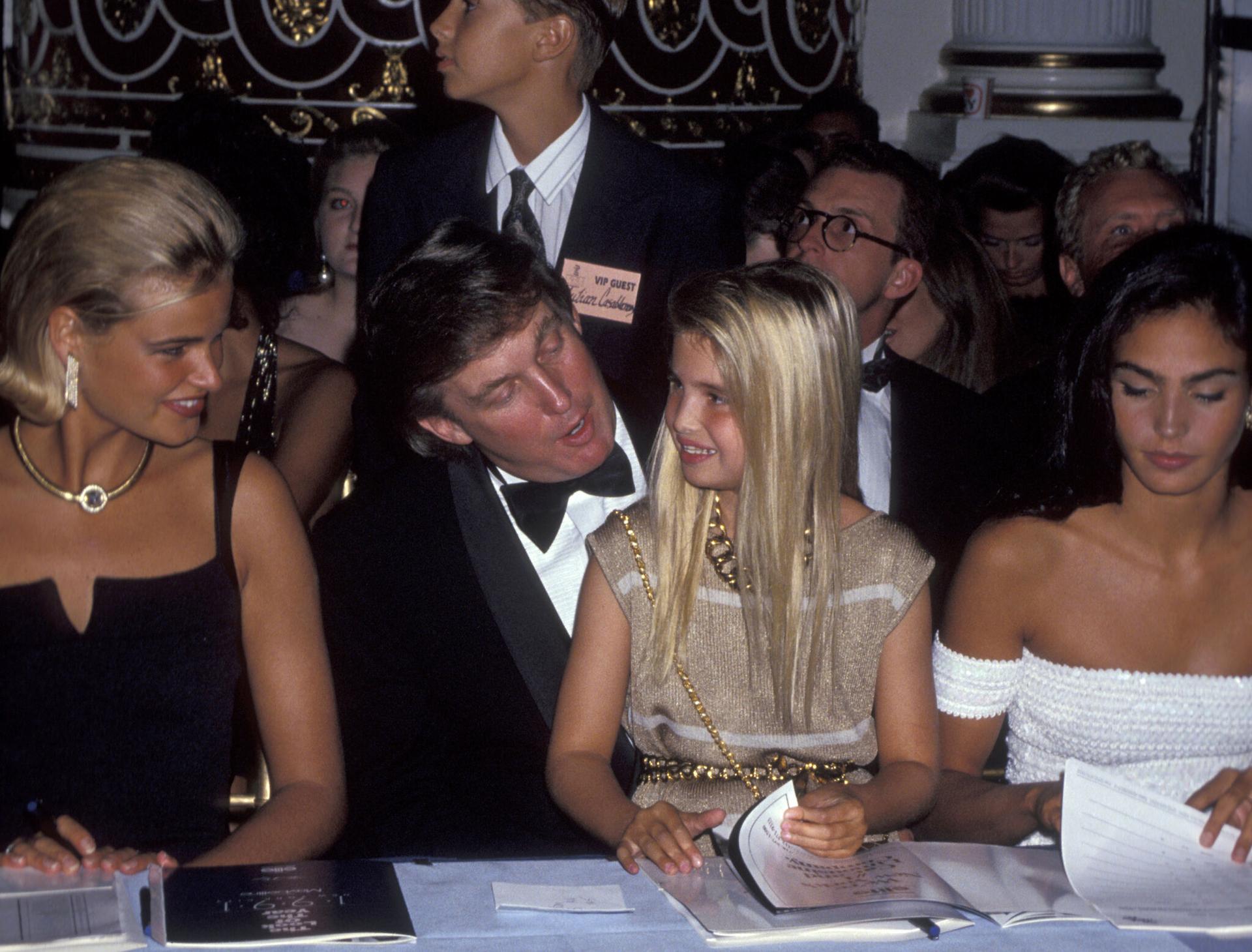
The San Francisco Chronicle said the resurfaced 1991 photo “has landed with unusual force” as Casablancas “faces backlash over recent political remarks,” and it described the photo as taken by celebrity photographer Ron Galella at the Maybelline Presents 1991 Look of the Year event at the Plaza Hotel in New York. It also reported that Casablancas’ political remarks came after the Coachella montage and that the renewed attention “has only sharpened that debate,” because it “collapses so much of Casablancas’ biography into a single frame.” Across outlets, Rahma’s war-related line about “80,000-plus dead people” and the “wedding in Tel Aviv” appeared as a key moment, with Consequence of Sound quoting Rahma’s “Absolutely fucked” response and The Times of Israel quoting Rahma’s “Absolutely f–ed” phrasing.

What comes next for the band
The reporting tied Casablancas’ Gaza-linked comments to the band’s near-term release and touring plans.
The San Francisco Chronicle said The Strokes’ seventh studio album, “Reality Awaits” — described as “its first in six years” — is due June 26 on Cult Records/RCA Records, and it said the album was “Recorded in Costa Rica with producer Rick Rubin and finished across several locations.”
It also stated that the band’s headlining slot at Outside Lands is scheduled for Aug. 8, and it described the 2026 bill as including Charli xcx and Rüfüs Du Sol, with festival co-founder Allen Scott describing the lineup as meant to “excite and surprise.”
Consequence of Sound reported that Casablancas’ comments come after The Strokes displayed the “Oblivious” video at Coachella Weekend 2, and it said the band is “set to release their next album, Reality Awaits, on June 26th,” adding that it will be supported by “an expansive summer and fall tour kicking off in June.”
Far Out Magazine also said Casablancas’ comments followed a politically charged Coachella set and noted that The Strokes “will embark on their upcoming world tour from this coming June, in support of their forthcoming album, Reality Awaits.”
The Times of Israel placed the SubwayTakes video in a broader context of Casablancas’ prior activism, saying he “previously signed onto a letter calling for a cultural boycott of Israel,” and it described the video’s discussion as pointing to how “blanket criticism of ‘Zionists’ has grown commonplace in youth-oriented and left-leaning American spaces.”