USA24 April, 20266 min read
Kash Patel Faces $250 Million Defamation Lawsuit After The Atlantic Allegations
Patel sued The Atlantic journalist Sarah Fitzpatrick for defamation over alleged excessive drinking. A federal judge tossed Patel's defamation suit against Frank Figliuzzi.

Patel, Atlantic, and the $250m
FBI Director Kash Patel remains at the center of a widening legal and political fight after The Atlantic published allegations that his conduct included “excessive drinking and unexplained absences,” and after Patel responded by filing a $250 million defamation lawsuit. White House Press Secretary Karoline Leavitt said President Donald Trump “still has confidence in FBI Director Kash Patel,” even as Patel faced scrutiny tied to the magazine’s reporting. At an April 21 press conference, Patel said: “I never listen to the fake news mafia ... when they got louder it just means I'm doing my job.”
Patel also said, “I've never been intoxicated on the job and that is why we filed a $250 million defamation lawsuit,” framing the lawsuit as a denial of the underlying claims. The Atlantic’s editor-in-chief Jeffrey Goldberg told CNBC that the magazine “stands behind its reporting,” and Leavitt pointed to “declining crime rates during Patel's tenure” when asked about Trump’s view of Patel.

The Atlantic article described interviews with “more than two dozen anonymous sources” who “described Patel’s tenure as a management failure and his personal behavior as a national-security vulnerability.” The same reporting said “conspicuous inebriation and unexplained absences” raised concerns, and it described early morning FBI meetings being rescheduled because of “alcohol-fueled nights.”
Fitzpatrick’s rebuttal and new sources
As Patel’s lawsuit against The Atlantic moved forward, Sarah Fitzpatrick—described as the investigative journalist behind the Atlantic story—said she had been “inundated” with additional sources she said corroborated the reporting. In an interview, Fitzpatrick said: “My response is that I stand by every single word of this report,” and she described the work as “very diligent” and “very careful,” adding that it “went through multiple levels of editing, review, care.” Fitzpatrick said she used “more than two dozen sources for her original report,” and she characterized the officials she spoke to as “people who felt that not only was this conduct embarrassing, unbecoming, but that it was a national security vulnerability, and that Americans were perhaps less safe as a result.”
She also said she had “never heard anything like this as a reporter,” and that she spent “a very long time” checking details because the story was “so explosive.” Patel, for his part, repeated his own line at a Department of Justice press conference, saying, “I can say unequivocally that I never listen to the fake news mafia,” and “And when they get louder, it just means I’m doing my job.”
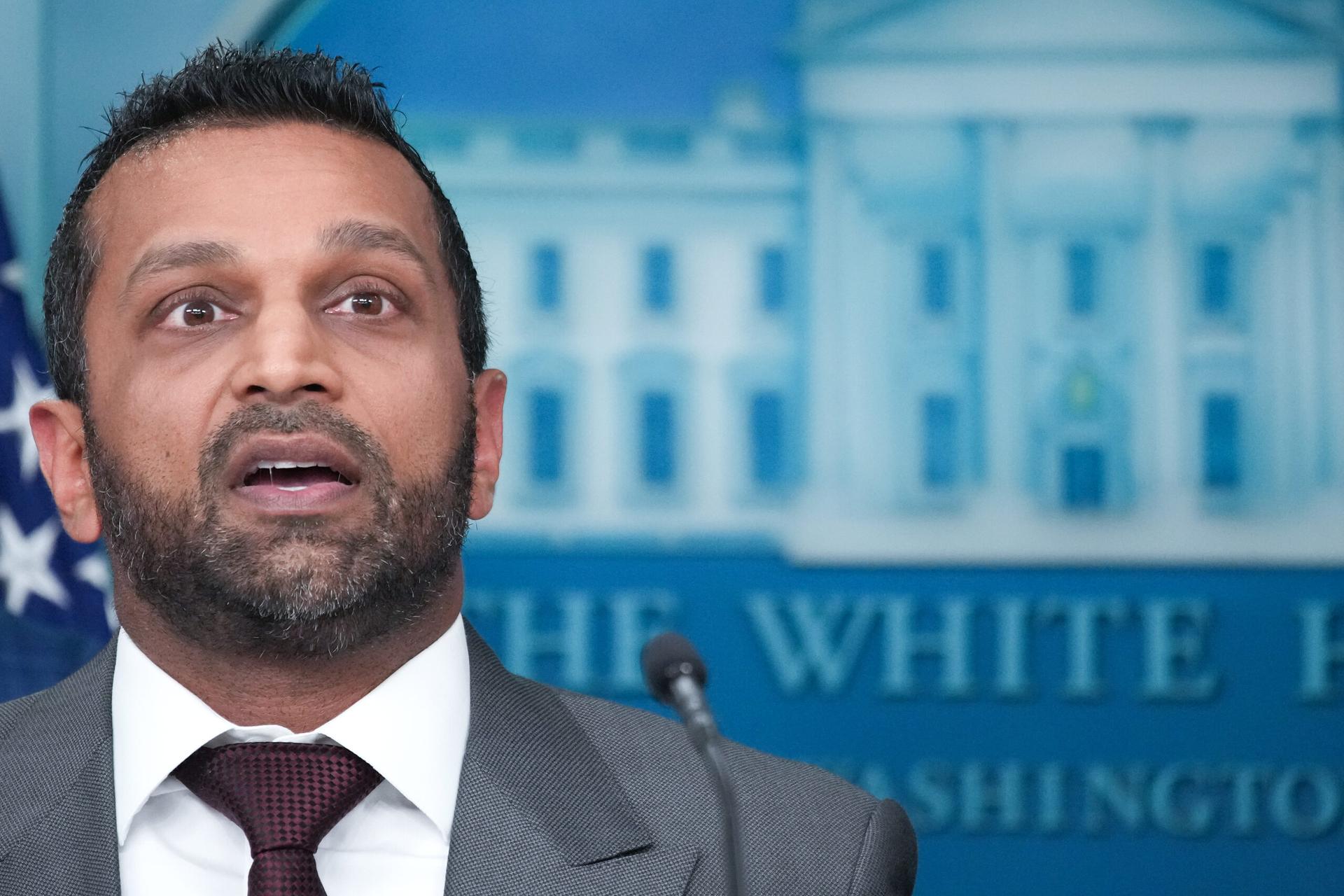
Fitzpatrick said she was not concerned by litigation, characterizing it as part of a broader moment in which “there are really key, important, life-or-death decisions that need to be made that… The entire staff of the FBI, you want to be focused, you want to be clear on who their leader is.” She also said she believed the reporting had reached the White House because it was “so alarming,” and she described sources as “grown men who have done nothing but counterintelligence and solving some of the worst-of-the-worst crimes who are not easily scared, intimidated, concerned.”
Press freedom clash over databases
Beyond the Atlantic lawsuit, the dispute over Patel’s conduct has spilled into a separate fight over the FBI’s handling of reporting about Patel’s personal life. The New York Times said the Federal Bureau of Investigation “began investigating” its reporter Elizabeth Williamson after she wrote a story involving FBI director Kash Patel titled “Patel’s girlfriend seeks fame and fortune, escorted by an FBI SWAT team.” Times executive editor Joe Kahn called the probe an “alarming” attempt by the FBI to “criminalize routine reporting,” and the Times said it learned about the inquiry through a confidential source who tipped off Williamson’s colleague Michael Schmidt.
Clayton Weimers, North America director for Reporters Without Borders, said: “In the same week that Kash Patel filed a flimsy lawsuit against the Atlantic for a story he didn’t like, we also learned that his FBI desperately combed through its databases to find dirt on a New York Times journalist whose reporting embarrassed him.” Weimers added: “This ongoing, un-American harassment of journalists eerily echoes the Bureau’s darkest days,” and he said, “It’s time for Patel to cash out and resign.”
The FBI denied that Williamson was “personally investigated” but confirmed the broad contours of the reporting, insisting the issue was a death threat case against Patel’s girlfriend, Alexis Wilkins. CNN reported that an FBI spokesperson said investigators “were concerned about how the aggressive reporting techniques crossed lines of stalking,” while adding, “no further action regarding Williamson or the reporting was ever pursued by the FBI.”
 CNN
CNNA judge rejects another suit
While Patel’s Atlantic case continues, a separate legal effort by Patel has already been rejected in court.
NBC News reported that a federal judge in Texas tossed a defamation suit brought by FBI Director Kash Patel against former MSNBC contributor Frank Figliuzzi.
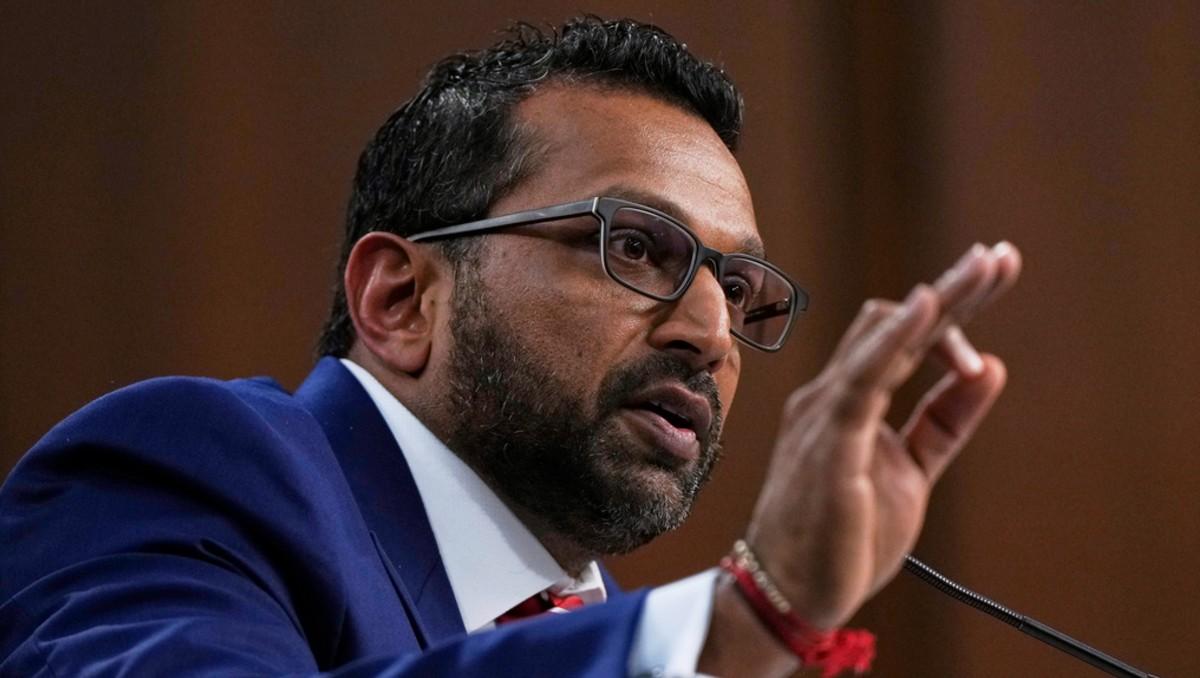
The suit stemmed from comments Figliuzzi made on “Morning Joe” about Patel’s evening activities, including: “Yeah, well, reportedly, he’s been visible at nightclubs far more than he has been on the seventh floor of the Hoover building.”
Figliuzzi’s lawyers argued that “this comment was a sarcastic, hyperbolic remark that receives protection from defamation liability,” and U.S. District Judge George Hanks Jr. agreed, writing, “Figliuzzi’s statement, when taken in context, cannot have been perceived by a person of ordinary intelligence as stating actual facts about Patel.”
The judge added that “A person of reasonable intelligence and learning would not have taken his statement literally,” and that it constituted “rhetorical hyperbole,” which “cannot be defamation.”
Marc Fuller, Figliuzzi's lawyer, hailed the decision as a “victory for press freedom and the First Amendment,” and the judge denied Figliuzzi’s request for attorney fees and other costs.
NBC News also tied the timing to Patel’s broader litigation, noting that the ruling came two days after Patel filed a separate defamation suit against The Atlantic seeking $250 million.
Comedy, politics, and escalation
The Patel controversy has also played out in political rhetoric and late-night comedy, with figures using the allegations as a platform for mockery and broader criticism.
“I wouldn't trust him to investigate what happened to my DoorDash last night. And to be fair to him, it was Indian food.”
The Times of India described a Florida Republican gubernatorial candidate, James Fishback, who targeted FBI Director Kash Patel with a stand-up style joke, saying: “I wouldn't trust him to investigate what happened to my DoorDash last night. And to be fair to him, it was Indian food.”

The same report said the clip was shared by commentator Richard Hanania on X and that Fishback’s remarks came during a campaign appearance where he received cheers.
In late-night coverage, The Guardian reported that Seth Meyers mocked Patel’s alleged behavior, saying: “Generally speaking, you don’t want to hear that the country’s top law enforcement official is known for having freak-outs, you know?”
Meyers added, “When you’re the head of the FBI, you’re supposed to be calm and level-headed,” and he quipped that Patel has “resting ‘run for your lives’ face.”
The Guardian also said Meyers described a moment when Patel panicked and began calling aides to tell them he had been fired, adding that “it turned out it was just a technical glitch,” and quoting an FBI official saying, “It was all ultimately bullshit.”
The Independent’s account of Fitzpatrick’s reporting also framed the stakes as a leadership focus, with Fitzpatrick saying people were “just waiting for the moment when he will be fired,” and that it was creating “a lot of chaos and a lot of instability.”