Kazakhstan’s Pragmatic Foreign Policy Faces Uncertainty Amid Attacks Across the Middle East – The Diplomat
Key Takeaways
- Iranian President Masoud Pezeshkian visited Astana in December 2025.
- Missile and drone strikes began across the Middle East.
- President Kassym-Jomart Tokayev confronted foreign-policy uncertainty amid the Middle East attacks.
Kazakhstan's diplomatic response
As missile and drone strikes began across the Middle East, President Kassym-Jomart Tokayev and the Kazakh government moved to evacuate citizens, particularly from Gulf states, and to manage Kazakhstan’s relations with the countries involved.
“Recent Features Subscribe for ads-free reading”
Kazakhstan has not picked a side in the conflict and maintains good diplomatic relations with Iran, Israel, most Gulf states, and the United States.
Tokayev called several leaders of the affected countries.
He has not expressed direct support for Iran, the initial target of the February 28 attacks.
Instead he sent Senate Chairman Maulen Ashimbayev to the Iranian embassy to express the president’s [text truncated in article].
No direct statement of support for the Iranian state was issued.
The article notes Iranian President Masoud Pezeshkian made an official visit to Astana in December 2025.
Tokayev and regional strikes
Tokayev attended the [truncated phrase] of U.S. President Donald Trump's Board of Peace on February 19.
His endorsement to 'establish a special President Trump’s Award of the Board of Peace' briefly went viral.
“Recent Features Subscribe for ads-free reading”
The article contains truncated passages about the timing of subsequent strikes, for example reporting that Israel and the United States launched a bombing campaign against Iran only [text truncated].
In response to the attacks, Iran fired back at Israel, U.S. naval vessels, and several Board of Peace member states including the UAE, Qatar, and Saudi Arabia, which [text truncated].
Tokayev contacted those leaders and Oman.
He thanked Saudi Arabia for assisting in Kazakhstan's evacuations and, according to the article, expressed regret that the Islamic community was [text truncated].
Because multiple passages are truncated in the source, some details and the chronology of events are unclear.
Kazakhstan diplomatic and trade ties
The Diplomat piece highlights that Kazakhstan has recently strengthened ties with the United States and Israel.
“Recent Features Subscribe for ads-free reading”
At last year’s C5+1 meeting Kazakhstan signed several agreements on minerals and trade and made the largely symbolic decision to join the Abraham Accords, reaffirming existing diplomatic relations.
The article cites an unnamed report that suggested Kazakhstan supplied nearly 30 percent of Israel’s crude oil imports between November 2023 and October 2025.
It also states Kazakhstan exports goods - primarily cereals - to Iran, and contains a truncated comparative statement about exports to the UAE, Israel, the United States, and Azerbaijan.
Kazakhstan's stance on Iran
On March 7 Tokayev sent a direct message of [text truncated] after Iran announced it would refrain from attacking neighboring states, but he stopped short of offering explicit support to Iran.
The article concludes that Tokayev is prioritizing regional stability and economic relations over choosing allies, and it notes a similar approach toward closer engagement with Taliban-led Afghanistan last year.
“Recent Features Subscribe for ads-free reading”
The article states that Iran appears to have lost significant strategic ground and that whether Kazakhstan will later try to balance its position toward Iran remains uncertain.
For now, the article says Kazakhstan 'seems less interested in choosing allies than in maintaining stable trading partners.'
The article also includes several truncated or missing phrases (indicated above), and those omissions create ambiguity on specific points.
More on Asia
Iran Strikes Italian Military Base in Erbil, Forcing Troops Into Bunkers
28 sources compared
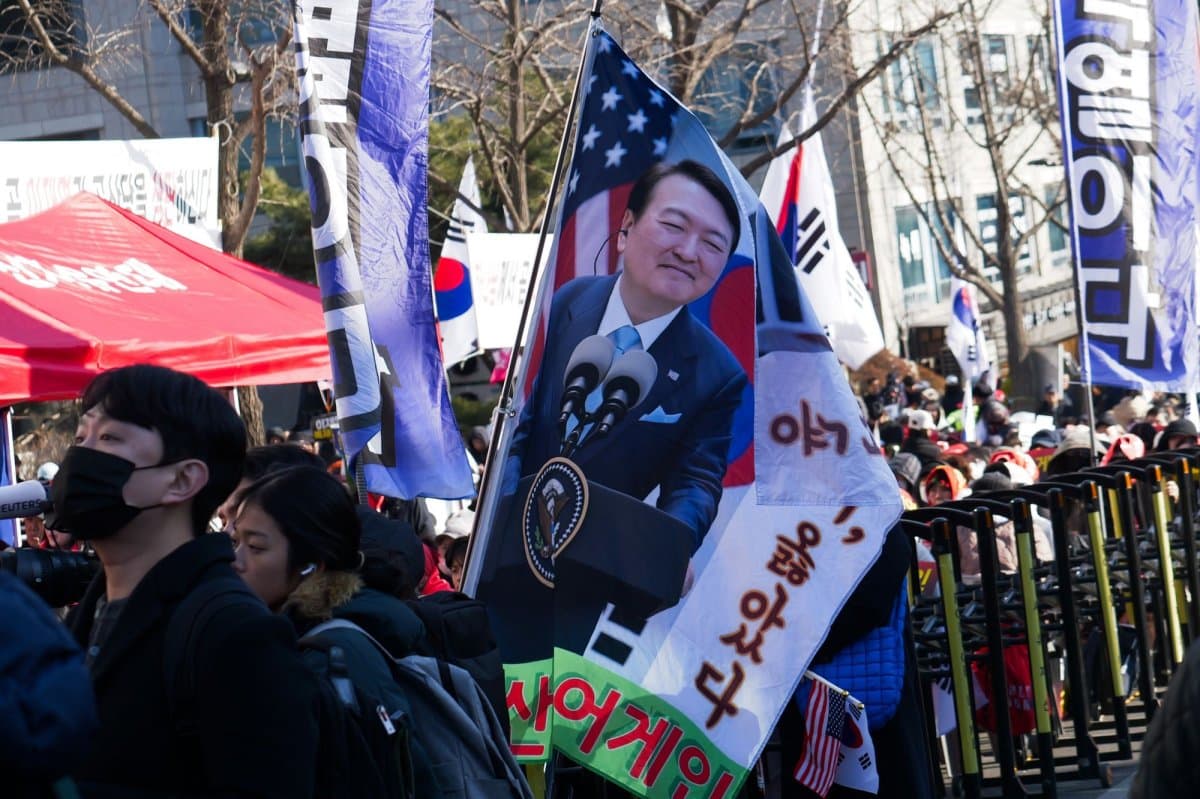
Former South Korean president Yoon Suk-yeol appeals life sentence for leading insurrection
14 sources compared
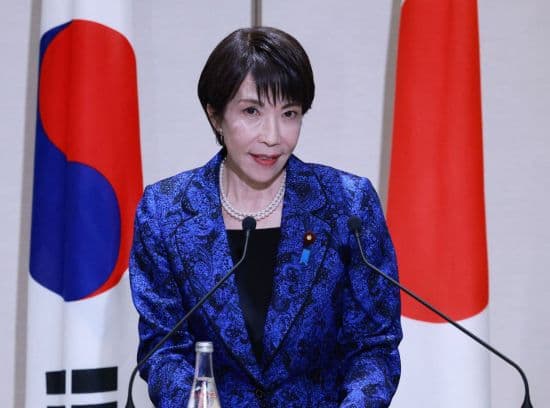
Diet Re-elects Sanae Takaichi as Prime Minister of Japan After LDP Landslide
14 sources compared

Former South Korean President Yoon Suk Yeol Apologizes After Life Sentence for Declaring Martial Law and Masterminding Insurrection
145 sources compared