Technology and Science17 April, 20266 min read
Kevin Weil and Bill Peebles Exit OpenAI as Company Shifts From Sora and Side Quests
This article is an automated aggregation of coverage from news outlets. Our editorials offer in-depth analysis curated by the NewsCord team.
Three OpenAI executives departed on Friday, including Weil and Peebles. OpenAI pivots from consumer moonshots to enterprise AI.
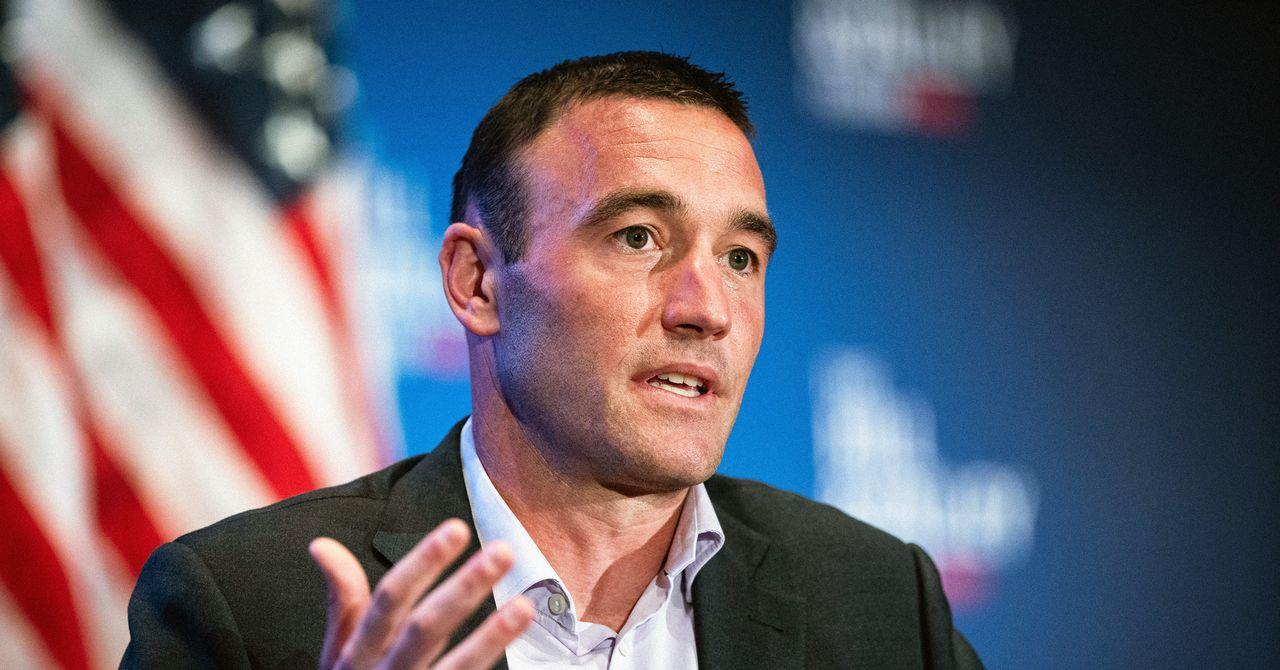
Moonshots trimmed at OpenAI
OpenAI’s leadership shakeup accelerated on Friday as three senior executives announced departures tied to the company’s pullback from consumer “side quests” and its shift toward enterprise AI and a forthcoming “superapp.” Kevin Weil, who led OpenAI’s science research initiative, and Bill Peebles, the researcher behind AI video tool Sora, both announced their exits on Friday, according to TechCrunch and CNBC. Srinivas Narayanan, CTO of B2B Applications at OpenAI, also announced he would be leaving in a post on X, with CNBC describing him as “CTO of B2B Applications.”
TechCrunch added that the departures come as OpenAI consolidates around enterprise AI and its forthcoming “superapp,” and it linked the exits to OpenAI’s decision to cut back on “side quests,” including customer-facing bets like Sora and OpenAI for Science. TechCrunch also reported that Sora was shut down last month after it was “losing an estimated $1 million per day in compute costs,” and it described OpenAI for Science as the internal research group behind Prism. In parallel, WIRED confirmed that Weil is leaving and quoted him saying, “Today is my last day at OpenAI, as OpenAI for Science is being decentralized into other research teams.”

Prism and Sora wound down
The leadership exits were framed by multiple outlets as part of a broader restructuring that included shutting down Sora and sunsetting Prism. TechCrunch said Sora was losing an estimated $1 million per day in compute costs and was shut down last month, while also describing OpenAI for Science as the internal research group behind Prism, an AI-powered platform that promised to accelerate scientific discovery. TechCrunch reported that OpenAI for Science is being absorbed into “other research teams,” according to Weil’s social media post announcing the news.
WIRED added that OpenAI is also sunsetting Prism, which the company launched as a web app in January to give scientists a better way to work with AI, and it said the company is folding the roughly 10-person team behind it under OpenAI’s head of Codex, Thibault Sottiaux. WIRED described the plan to incorporate Prism’s capabilities into its desktop Codex app and said an OpenAI spokesperson confirmed the changes and told WIRED this is part of the company’s effort to unify its business and product strategy. CNBC similarly said OpenAI shuttered Sora last month as it looks to reel in costs and reallocate compute resources ahead of a potential IPO.

What executives said and why
In their departure posts and related reporting, Peebles and Weil tied their exits to the need for research separation from the company’s main roadmap and to the decentralization of OpenAI for Science. TechCrunch quoted Peebles crediting Sora with igniting a “huge amount of investment in video across the industry,” and it reported that he argued that the kind of research that produced the video tool requires space away from the company’s mainline roadmap. TechCrunch also quoted Peebles writing, “Cultivating entropy is the only way for a research lab to thrive long-term,” and it placed that statement in the context of his departure.
“Sora was a project that could not have happened anywhere but OpenAI, and I will always deeply love this place for that.”
For Weil, TechCrunch included his post describing the arc of his role, saying, “It’s been a mind-expanding two years, from Chief Product Officer to joining the research team and starting OpenAI for Science,” and it said he wrote that “Accelerating science will be one of the most stunningly positive outcomes of our push to AGI.” WIRED quoted Weil directly: “Today is my last day at OpenAI, as OpenAI for Science is being decentralized into other research teams,” and it said Weil did not immediately respond to a request for comment from WIRED. CNBC added that Narayanan confirmed his exit on Friday via X after three years with the company, and it included Narayanan’s statement: “Leading the B2B engineering team has been an enormous privilege,” and “citing recent product launches as the right moment to step back.”
Restructuring beyond these exits
The departures were reported as the latest in a sequence of executive changes that included medical leave and role transitions, with outlets describing how OpenAI is reorganizing its executive team. Storyboard18 said the exits marked “the latest development in an ongoing leadership reshuffle” and reported that Fidji Simo, the firm’s product and business chief, announced she would be taking medical leave due to a worsening neuroimmune condition. Storyboard18 also said Kate Rouch stepped down from marketing chief earlier this month to focus on cancer recovery, and it reported that Brad Lightcap transitioned to a new position centered on special projects.
CNBC similarly said Fidji Simo announced she would take a medical leave because of a worsening neuroimmune condition, and it said Kate Rouch decided to step down to focus on her cancer recovery earlier this month, while Brad Lightcap transitioned to a new role focused on “special projects.” WIRED added more detail about the internal reorganization, saying that in the same announcement, OpenAI said cofounder and president Greg Brockman would oversee the company’s products in the interim, and it said chief marketing officer Kate Rouch would take a leave of absence due to medical issues. WIRED quoted Sam Altman saying, “It has been an extremely intense, chaotic, and high-pressure few years.”

Different outlets, different emphasis
While all outlets described the same core event—three executives leaving on Friday amid OpenAI’s restructuring—each framed the story through different lenses, from enterprise pivot to product economics and research reorganization. TechCrunch emphasized the “side quests” narrative, saying the exits come as OpenAI consolidates around enterprise AI and its forthcoming “superapp,” and it connected the departures to Sora’s shutdown after it was “losing an estimated $1 million per day in compute costs.” CNBC also linked the departures to the enterprise pivot, but it foregrounded the company’s decentralization of OpenAI for Science, quoting an OpenAI spokesperson that the company is “decentralizing OpenAI for Science in an effort to bring its work closer to the teams that are building leading model capabilities, products and infrastructure.”
WIRED focused on the fate of Prism and the mechanics of integration, stating that OpenAI is sunsetting Prism and folding the “roughly 10-person team” under Thibault Sottiaux, with Prism’s capabilities incorporated into the desktop Codex app. Storyboard18, by contrast, described “multiple leadership exits” as part of “an ongoing leadership reshuffle” and said OpenAI is decentralising OpenAI for Science “in a move aimed at bringing research efforts closer to teams working on core model capabilities, products and infrastructure.” Benzinga framed the same day as a “Triple Executive Exit” and used the language of “Side Quest” era fading, while also stating that the exits came as the Sam Altman-led company cuts back on “side quests” in favor of enterprise AI and its upcoming “superapp.”

What comes next for OpenAI
The reported restructuring suggests immediate operational changes for OpenAI’s science tooling and video generation efforts, while also setting expectations for how the company will organize future work. WIRED said OpenAI is dispersing OpenAI for Science employees throughout the company’s product, research, and infrastructure teams, and it described the Prism team being folded under Thibault Sottiaux with Prism’s capabilities incorporated into desktop Codex. TechCrunch said OpenAI for Science is being absorbed into “other research teams,” and it described Weil’s departure as coming after his team released GPT-Rosalind, a new model to accelerate life sciences research and drug discovery.
CNBC added that OpenAI shuttered Sora last month as it looks to reel in costs and reallocate compute resources ahead of a potential IPO, tying the product shutdown to near-term financial and strategic planning. WIRED also said OpenAI has broader ambitions to turn Codex, its AI coding application, into an “everything app,” and it described the company’s effort to unify business and product strategy. Finally, WIRED quoted Sam Altman’s acknowledgment that OpenAI is “a major platform, not a scrappy startup,” and it included his statement that the company needs to “operate in a more predictable way now.”