
King Mohammed VI Launches Kenitra–Marrakech High-Speed Line Construction in Rabat
Key Takeaways
- King Mohammed VI inaugurated the start of construction of the Kenitra-Marrakech High-Speed Line.
- The Kenitra-Marrakech LGV project spans about 430 kilometers.
- The ceremony took place at Rabat-Agdal railway station on Thursday.
Project Inauguration
King Mohammed VI formally inaugurated the construction commencement of the Kenitra–Marrakech High-Speed Line (LGV) at the Rabat-Agdal railway station.
“King Mohammed VI inaugurated the start of construction of the Kenitra–Marrakech High-Speed Line (LGV), about 430 kilometers long, at the Rabat-Agdal railway station on Thursday”
The approximately 430-kilometer high-speed rail project represents the sovereign's strategic vision for modernizing the national rail network.
This initiative advances sustainable development goals through low-carbon, collective mobility solutions.
The project underscores Morocco's determination to enhance its rail infrastructure as the backbone of a sustainable and inclusive transport system.
Investment Scale
The Kenitra–Marrakech high-speed line project involves a substantial financial commitment with a budget of 53 billion dirhams excluding rolling stock.
This represents just one component of an ambitious 96 billion dirham investment program.
The comprehensive initiative encompasses the acquisition of 168 trains for 29 billion dirhams to renew the ONCF's existing fleet.
Additionally, 14 billion dirhams are allocated for maintaining performance and developing metropolitan transport networks.
The project's scale demonstrates Morocco's strategic approach to transportation infrastructure development.
Travel Time Improvements
The high-speed rail project will significantly transform travel times across Morocco's major urban centers.
“King Mohammed VI inaugurated the start of construction of the Kenitra–Marrakech High-Speed Line (LGV), about 430 kilometers long, at the Rabat-Agdal railway station on Thursday”
With the new line, travel times will be reduced to 1 hour between Tangier and Rabat.
Travel times between Tangier and Casablanca will be 1 hour 40 minutes.
Travel times between Tangier and Marrakech will be reduced to 2 hours 40 minutes.
The project will connect Rabat to Mohammed V International Airport in Casablanca in just 35 minutes.
A planned high-speed service between Fez and Marrakech will offer travel times of 3 hours 40 minutes.
Infrastructure Components
The comprehensive high-speed rail project encompasses extensive infrastructure development.
This includes the design and construction of a new line between Kenitra and Marrakech capable of speeds up to 350 km/h.
Works will also involve terminal areas in Rabat, Casablanca, and Marrakech.
Construction will include new High-Speed stations, nearby commuter train stations, and upgrading of existing stations.
A maintenance center for train sets will be established in Marrakech to support the new high-speed operations.
Metropolitan Services
The project's metropolitan commuter train service component will address urban mobility challenges.
“King Mohammed VI inaugurated the start of construction of the Kenitra–Marrakech High-Speed Line (LGV), about 430 kilometers long, at the Rabat-Agdal railway station on Thursday”
The extension of the Kenitra–Marrakech LGV will free capacity on the existing network.
This enables the development of a metropolitan commuter train service (TMP) to meet public transport needs.
The TMP service will serve residents in Rabat, Casablanca, and Marrakech agglomerations.
This service is designed to offer advantages in punctuality, service quality, and sustainability.
It will provide enhanced transportation options while reducing urban congestion and environmental impact.
Rolling Stock Modernization
In parallel with the high-speed line construction, ONCF is launching an unprecedented program to acquire 168 new trains.
The 29 billion dirham investment aims to strengthen and modernize the entire passenger rolling stock.
The acquisition includes 18 high-speed trains, 40 line service trains, 60 rapid shuttle trains, and 50 public transport network trains.
The program demonstrates significant local integration with over 40 percent local content.
This will establish a railway industrial ecosystem supporting the national economy.
The initiative will reduce transport costs and promote sustainable development through local manufacturing capabilities.
More on Africa
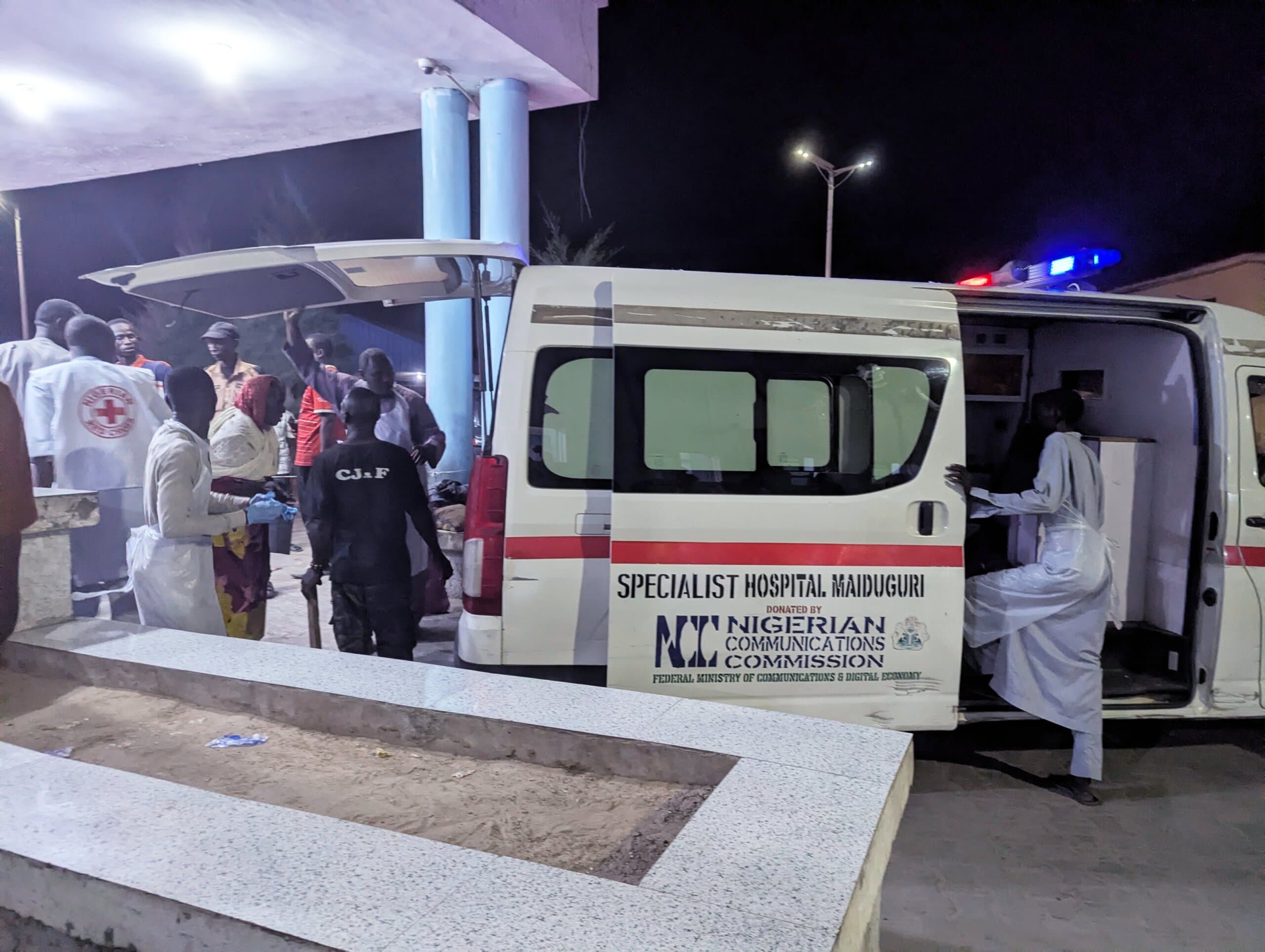
Boko Haram suicide bombers kill 23 in Maiduguri
24 sources compared

Somaliland Offers US Exclusive Access to Minerals and Military Bases to Win Recognition
10 sources compared

Boko Haram Gunmen Massacre Scores of Villagers in Kwara and Katsina After Sending Letter Asking to Preach
19 sources compared
Boko Haram Gunmen Massacre Villagers in Kwara After Sending Letter Asking to Preach
20 sources compared