Syriaupdated 1h ago2 min read
Archive photo · 10 October 2025Landmine and Unexploded Ordnance Casualties in Syria Rise to 1,602 in 2025
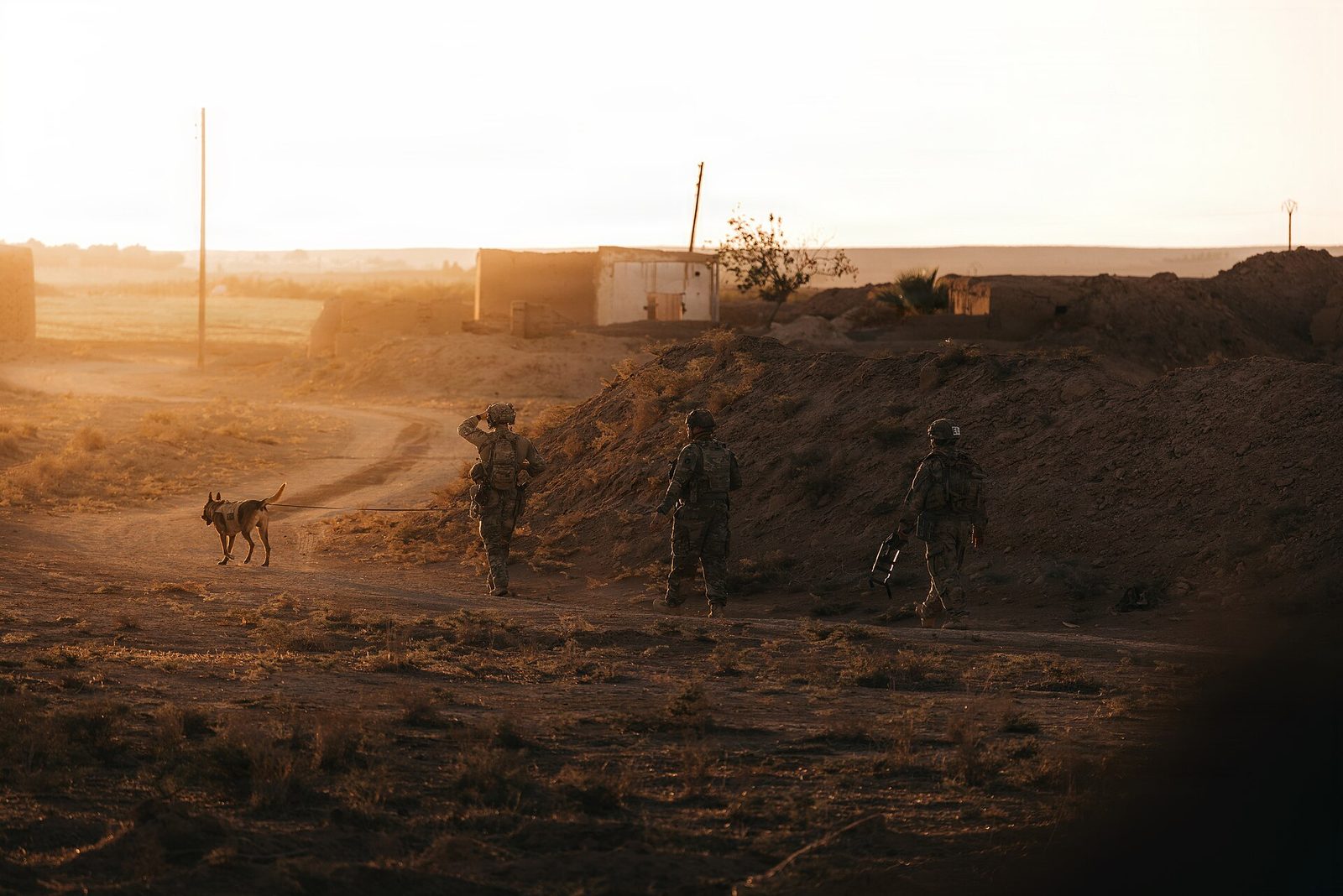
4 West Asian2 Other2 Western Alternative2 Other source typesPhoto: U.S. Army photo by Sgt. Zachary Ta / US federal government, Public domain · Cropped for layout
This article is an automated aggregation of coverage from news outlets. Our editorials offer in-depth analysis curated by the NewsCord team.
1,602 Syrians killed or injured by landmines and ERW in 2025, up 50%. Syria accounted for about a quarter of global landmine casualties in 2025.
Save coverage image
Casualties rise in 2025
Landmine and Cluster Munition Monitor reported that landmine and unexploded ordnance casualties in Syria rose by more than 50 percent in 2025, reaching a total of 1,602 killed or injured. Global casualties from landmines and unexploded ordnance reached 6,929 killed or injured in 2025, the highest level since 2020. Yeshua Moser-Puangsuwan warned that residents returning to their areas in Syria contribute to the rising number of casualties and stressed the need to greatly increase mine clearance capacity.
The report also said the consequences extend beyond human losses, because contaminated land restricts agricultural land investment and hinders access to water sources, schools, and hospitals. SANA said the increase in Syria reflected risks faced by families returning after December 8, 2024, due to landmines and unexploded ordnance left by the toppled regime in residential areas, agricultural land, roads, and surroundings of public facilities.
Who is affected, and why
A landmine incident in Umm Khuzaym, north-west Syria, left Alaa killed and Mahmoud seriously injured after they triggered a landmine, Walid Mohammed Al-Ghafar told the BBC. Katrin Atkins told the BBC that “Remnants of war from today's conflicts are often very widely and broadly scattered, often without patterns, which makes it extremely difficult to do clearance.” The BBC said the incident and others this week bring to nearly 1,000 the number of children killed or injured by explosive ordnance in Syria since the fall of Bashar al-Assad in December 2024, according to the UN Mine Action Service (Unmas).
Simon Jackson, Halo Trust’s Syria programme manager, told the BBC that “They're not going to wait for the government or for organisations like us to come and tell them that everything is safe and clear.” The BBC said the danger is also holding back Syria's economic recovery because contaminated farmland cannot be safely cultivated and people collecting scrap metal or salvaging materials from abandoned areas risk triggering explosions.
Clearance efforts and stakes
The Syrian Defense Ministry announced that it had been able to detect more than 315 thousand mines and unexploded ordnance from war remnants and process them in various Syrian areas, an increase of nearly threefold compared to the statistic announced in April. SANA quoted the Ministry of Defense’s Information and Communications Administration saying that “survey and clearance operations continue in residential areas, agricultural lands, roads, and vital facilities,” and that “the danger still threatens civilians’ lives and complicates the return to normal life.” The report said War Remnants and Mine Clearance teams at the Ministry of Emergency responded in the first half of this year with 981 mine clearance operations, 369 non-technical surveys, and 631 awareness sessions on the dangers of war remnants.
Unmas had recorded at least 1,556 incidents in Syria involving explosive ordnance since Assad's fall on 8 December 2024, causing 2,701 casualties: 935 people killed and 1,766 injured. The report warned that the consequences of mines and unexploded ordnance also impede economic and social recovery by delaying infrastructure rehabilitation and limiting the movement of residents and the safe return of displaced persons and refugees.