
Lavrov and Araqchi Urge De-Escalation After US-Israel Aggression Against Iran
Key Takeaways
- Lavrov and Araqchi urged de-escalation after US-Israel aggression against Iran
- They urged refraining from attacks on civilians and critical infrastructure
- Discussions included regional security implications of US-Israel aggression against Iran
Lavrov and Araqchi Call
Russian Foreign Minister Sergey Lavrov and Iranian Foreign Minister Seyed Abbas Araqchi spoke by phone as the Middle East situation deteriorated sharply after what the sources describe as “unprovoked aggression launched by the United States and Israel against Iran.”
Tabnak, citing Sputnik News Agency, said the Russian Foreign Ministry reported that Lavrov and Araqchi urged “refraining from attacks on civilian, industrial, and energy infrastructure, including the Bushehr nuclear power plant,” and also urged discarding measures that would “undermine the chances for a political and diplomatic settlement of the conflict in the Middle East.”
The same Tabnak account says Lavrov expressed condolences to Araqchi for “the death of a civilian employee at the Bushehr Nuclear Power Plant,” and it adds that Lavrov expressed hope for the success of “de escalation efforts.”
In a separate report, Xinhua said Lavrov spoke by telephone with Abbas Araghchi to discuss the Middle East situation, and it quoted the Russian Foreign Ministry saying the two sides “exchanged views on the regional situation that had deteriorated sharply.”
Xinhua also reported that Lavrov reaffirmed Russia’s stance in supporting “rapid de-escalation and a return to a political and diplomatic settlement,” and that Russia “remains ready to help facilitate these efforts, taking into account Iran's security interests and those of its neighbors.”
Mehr News Agency similarly described a telephone conversation late on Friday between Seyyed Abbas Araghchi and Sergei Lavrov to discuss bilateral ties and “US-Israeli war of aggression imposed against the country.”
Iran’s UN Security Council
During the same period of high-level diplomacy, the Iranian Foreign Ministry framed the call as a review of “crimes committed by the United States and Israel against the Iranian people,” including “attacks on civilians and Iranian infrastructure in recent days.”
In the report from میدل ایست نیوز, Abbas Araqchi told Lavrov that Iran is determined “to continue defending its national sovereignty and territorial integrity,” and he pointed to the “United Nations Security Council's responsibility” for addressing “blatant violations of international peace and security.”
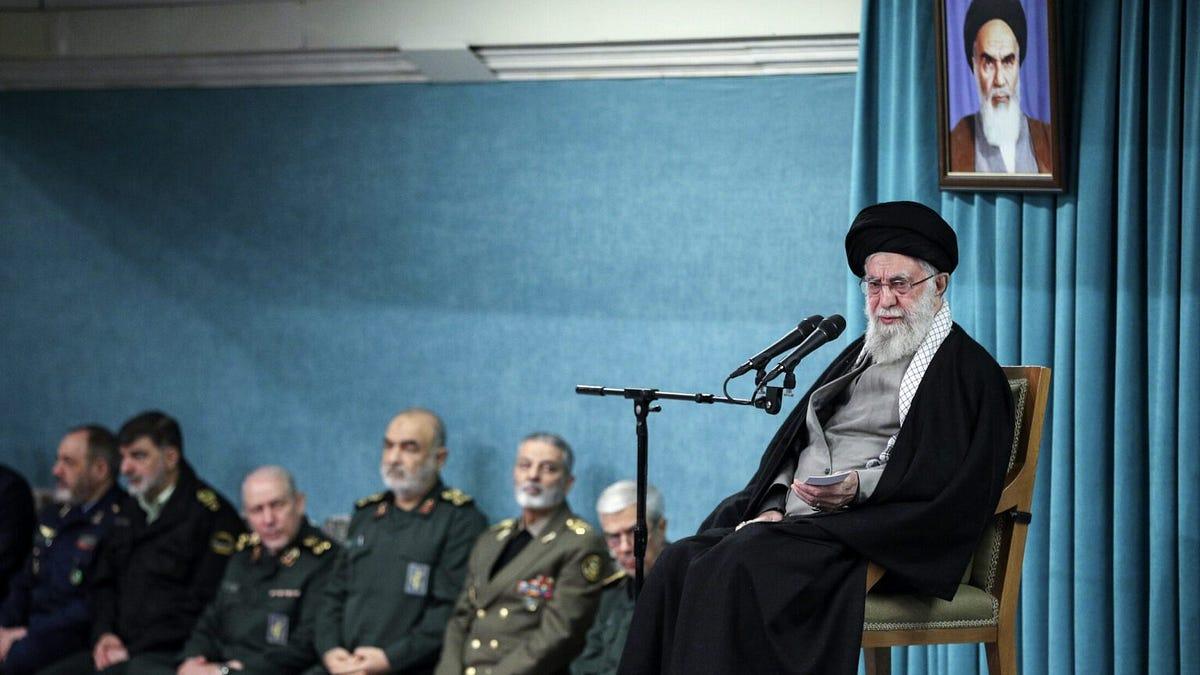
The Iranian minister stressed that “any ongoing disregard for these violations will undermine security in the region and the world,” according to the statement relayed by میدل ایست نیوز.
The same source says Lavrov affirmed “his country's condemnation of the military attack carried out by the United States and Israel on Iran,” and it adds that he congratulated Araqchi’s counterpart on “the occasion of Ayatollah Mojtaba Khamenei's election as leader of the Islamic Republic of Iran.”
میدل ایست نیوز also reported that Lavrov underscored “Russia's readiness to contribute its diplomatic efforts and cooperation to enhance security and stability in the region.”
The call, as described by میدل ایست نیوز, also included “the importance of ongoing coordination between Tehran and Moscow to address regional challenges and strengthen stability in the Middle East,” with both sides emphasizing “the necessity of continued dialogue among the involved states to avoid heightening tensions and ensure collective security in the region.”
Bushehr, De-escalation, and Condolences
The Tabnak account, citing Sputnik News Agency, tied the call to specific infrastructure and personnel impacts at Bushehr, while also emphasizing diplomatic off-ramps.
“Details of the telephone conversation between Lavrov and Araqchi”
It said Lavrov and Araqchi urged “refraining from attacks on civilian, industrial, and energy infrastructure, including the Bushehr nuclear power plant,” and it recorded Lavrov’s condolences for “the death of a civilian employee at the Bushehr Nuclear Power Plant.”
Tabnak further reported that the Russian Foreign Ministry said Lavrov and Araqchi urged “discarding measures that would undermine the chances for a political and diplomatic settlement of the conflict in the Middle East.”
The same report claimed that the ministry stressed the United States, “by dropping its warning tone, will help reduce tensions in the Persian Gulf,” and it added that Lavrov expressed hope for the success of “de escalation efforts.”
In parallel, Xinhua’s description of the Lavrov-Araqchi call placed the discussion in the context of “regional situation that had deteriorated sharply” and reiterated that Russia supports “rapid de-escalation and a return to a political and diplomatic settlement.”
Mehr News Agency, meanwhile, described the call as addressing “US-Israeli war of aggression imposed against the country,” and it said the two diplomats exchanged views on Iran’s positions and initiatives regarding “the end of the war of aggression imposed by the United States and the Israeli regime against the country.”
US-Israel Attack Timeline and Response
Several sources embed the phone diplomacy within a broader account of attacks and Iran’s response, including a sequence tied to late February and subsequent deaths.
Tabnak, citing Sputnik News Agency, said that on “the 9th of Esfand,” while “indirect talks with the American side were ongoing,” “the United States and the Zionist regime carried out an aggressive attack on the territory of the Islamic Republic of Iran.”
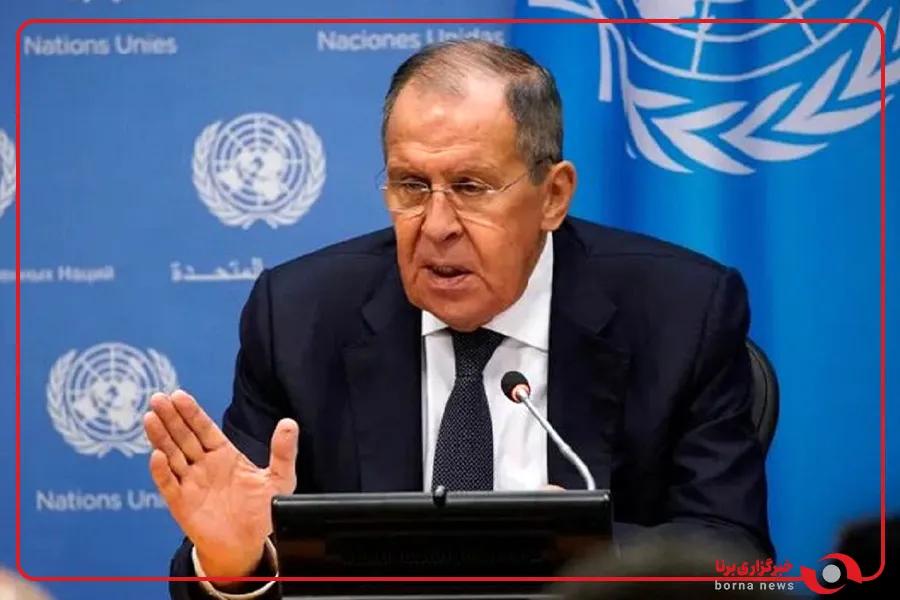
It then stated that “following these attacks, in addition to the late Leader Ayatollah Seyyed Ali Khamenei, a number of political and military officials, nuclear scientists, and a group of civilians including schoolchildren in Minab were martyred,” and it described Iran’s response as targeting “specific objectives under the operation called Vade Sadegh 4 in the occupied territories and American bases in the region.”
Mehr News Agency similarly said the US and Israel “waged an unprovoked war of aggression against the country on February 28 which led to the martyrdom of Leader of the Islamic Revolution Ayatollah Seyyed Ali Khamenei, high-ranking military commanders and civilians.”
In Mehr’s account, the call focused on “the latest positions and initiatives of the Islamic Republic of Iran regarding the end of the war of aggression imposed by the United States and the Israeli regime against the country.”
The Savage Minds commentary adds a separate framing of US-Israeli aggression strengthening hardliners over reformists, asserting that “the bipartite aggression led by Washington has bolstered the military wing of the Iranian regime, centred on the Islamic Revolutionary Guard Corps (IRGC).”
Russia-China Coordination and Wider Stakes
Beyond the Lavrov-Araqchi call, Tabnak reported that the Russian Foreign Ministry also referred to a telephone contact between Sergei Lavrov and Wang Yi, the Chinese foreign minister, in which the two sides discussed the Persian Gulf and efforts to stop fighting quickly.
“The crisis in the Persian Gulf was shaped by the baseless aggression of the United States and Israel against Iran”
Tabnak said the statement noted that Lavrov and Wang Yi discussed “the situation in the Persian Gulf and international efforts aimed at quickly stopping the fighting in this important region,” as well as “the start of political and diplomatic dialogue.”
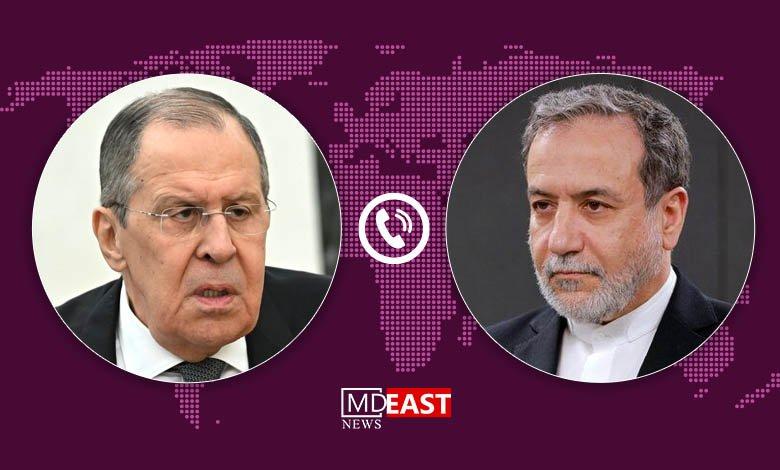
It also reported that the Russian and Chinese foreign ministers discussed “ways to strengthen coordination between the two countries on the international stage, especially at the United Nations,” and it said they exchanged views regarding “the attacks by the United States and the Zionist regime on Iran.”
Tabnak further claimed that the foreign ministers were “pleased with the alignment of both countries approaches on most global issues,” including “developments in Iran regarding the baseless aggression by the United States and Israel against that country.”
In a different register, خبرگزاری برنا quoted Sergey Lavrov warning about spillover risks from the Persian Gulf crisis to “the countries of the Arabian Peninsula, the littoral states of the Caspian Sea, the South Caucasus, and Central Asia,” and it described Lavrov saying “We are witnessing a full-blown stagnation” in the Palestinian territories.
Savage Minds, meanwhile, argued that US-Israeli aggression has “stalled negotiations between Tehran and Washington,” and it described a dilemma for Trump between continuing aggression “as urged by Netanyahu” or withdrawing under a pretext.
More on Iran
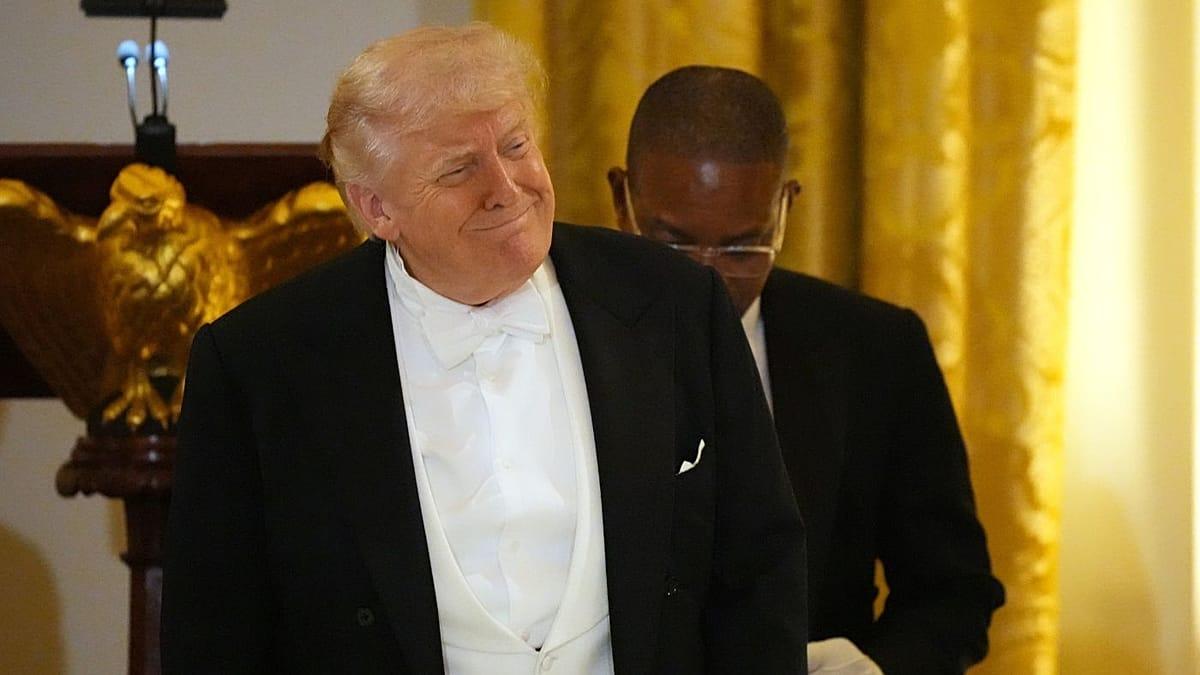
Trump Says Iran Hostilities Have Terminated as Germany Anticipates 5,000 Troop Withdrawal
21 sources compared
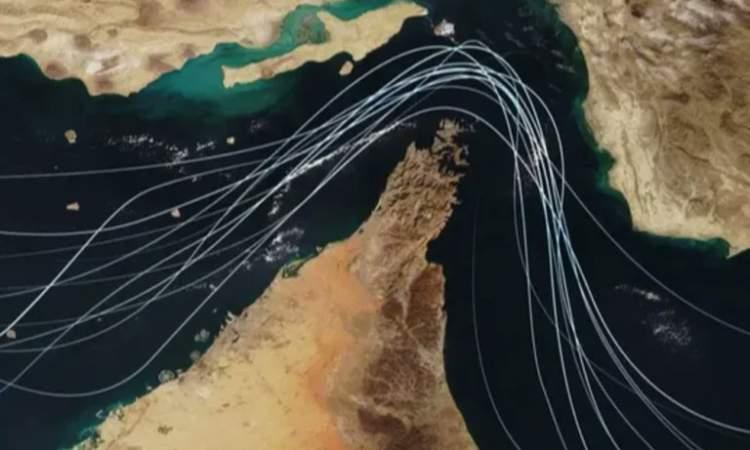
Donald Trump Says US Navy Seized Oil Cargo Like Pirates During Iran Blockade
24 sources compared

Donald Trump Tells Congress U.S. Hostilities With Iran Have Terminated After 60-Day War Powers Deadline
33 sources compared
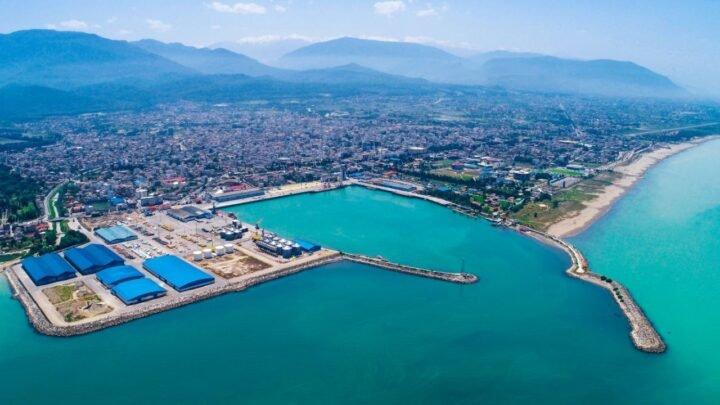
U.S. Rebuilds Logistics Supply Chain After Ceasefire, Boosts CENTCOM Airlift From Ramstein
12 sources compared