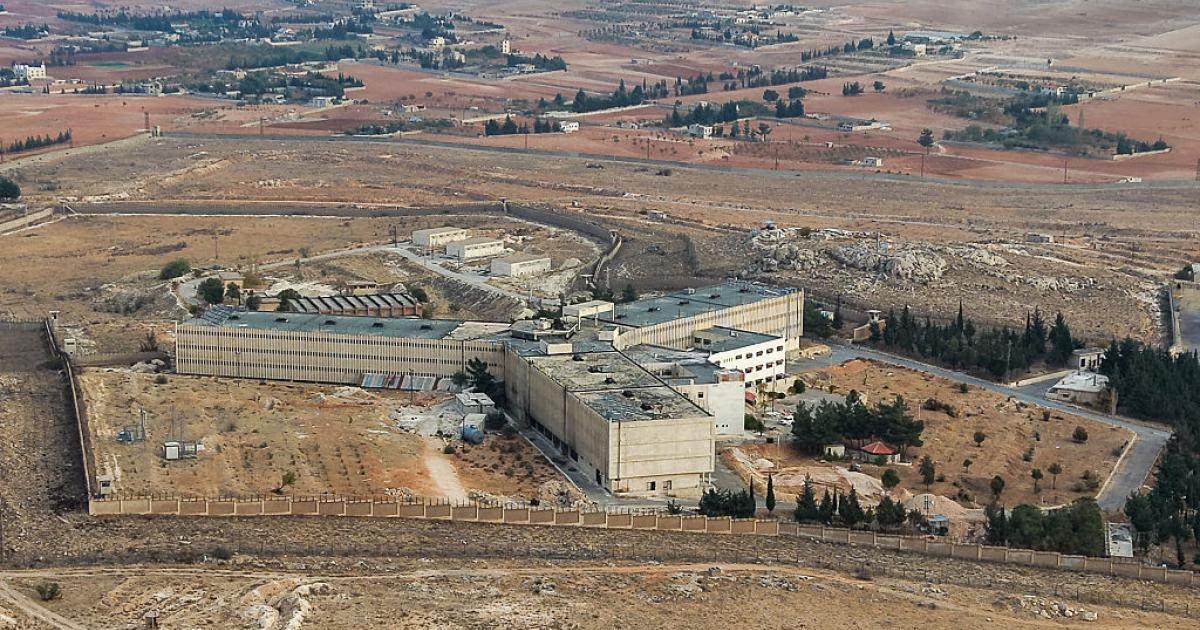
Leaked Sednaya Prison Surveillance Footage Circulates After Bashar Al Assad’s Regime Falls
Key Takeaways
- Surveillance footage from inside Sednaya Prison circulated on social media, depicting days before Assad's fall.
- Footage circulated online, prompting questions about who released it and why now.
- Rights groups describe Saydnaya as a leading detention and torture center.
Sednaya leaks spark timing questions
Leaked videos circulating from Sednaya Prison have triggered a wave of questions about why the footage was published when it was, with multiple outlets describing clips that appear to show the prison’s surveillance system operating during the regime’s final days.
“Circulating videos showing the first moments of entering Sednaya Prison on the night the regime of the deposed president Bashar al Assad fell sparked a wave of questions about the timing of their release, in parallel with recent unknown-source leaks said to have been captured by surveillance cameras inside the prison”
Al-Jazeera Net said “Circulating videos showing the first moments of entering Sednaya Prison on the night the regime of the deposed president Bashar al Assad fell” sparked questions about “the timing of their release,” alongside “recent unknown-source leaks said to have been captured by surveillance cameras inside the prison.”

The New Arab reported that footage “purportedly leaked from Syria'sSednaya Prisonwas posted to social media on Tuesday,” with activists saying the surveillance material shows “the days in the run-up to the fall ofBashar al-Assad's government.”
Several reports tied the clips to a specific date visible in the recordings, with the Arabic-language outlets describing “December 2, 2024” as “about six days before the regime's collapse.”
The New Arab added that the clips were first posted on a Facebook account called “Haidar al-Turab,” before later being deleted and then circulated again.
Al-Jazeera Net also described footage showing “the surveillance screens used by the guards to monitor the cells and corridors inside the facility,” which it said “indicates that the recording devices were still operating after the guards fled the prison.”
What the footage shows
Across the reports, the leaked clips are described as showing detainees’ treatment, prison spaces, and the operation of surveillance equipment, with multiple scenes tied to the prison’s internal layout.
The New Arab said one recording shows “detainees in a waiting room being forced to stand face down, with their hands behind their heads as they wait to enter a courtroom,” while another shows “a control room with a large number of surveillance screens” and “a room where visits by detainees' families were organised.”
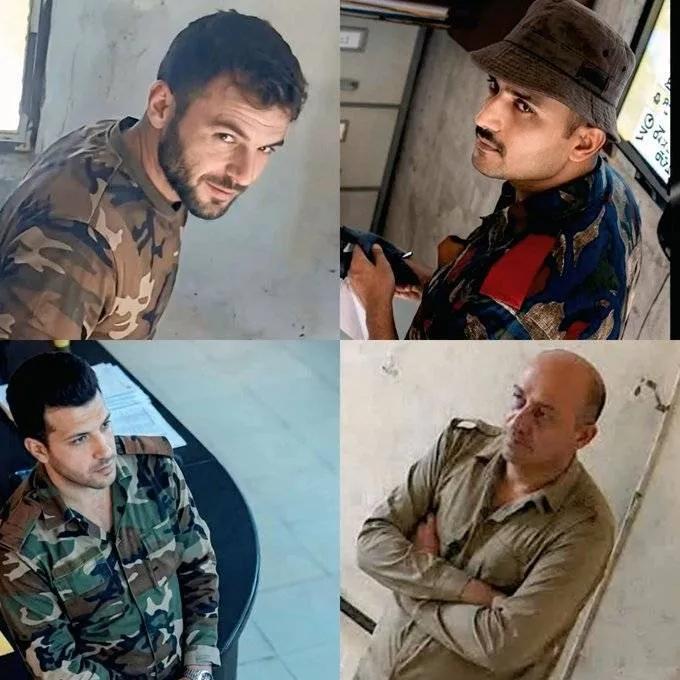
Al-Jazeera Net described the initial entry footage as including “the moments of opening the cells and freeing the detainees,” with detainees’ faces showing “astonishment and disbelief, amid cheers and shouts of the rebels,” and it added that one rebel was seen “touching a teapot that the guards had prepared, noting that it was still hot.”
The Arabic-language reports also described waiting-room humiliation, with the Arabic-language television outlet saying detainees were “wearing uniform clothes and sitting on the floor facing the wall” before “two of them were summoned to stand in front of the door in a position closer to kneeling.”
The same outlet described a visiting room where “one person in military uniform spoke through a window surrounded by iron bars with a man and a woman, asking questions about the detainee's name and relationship.”
The local and verification-focused reporting added technical specifics: تَأكد said the second video shows “between 40 and 50 small screens monitoring the corridors, cells, and gates.”
Voices demand investigations
Former detainees, activists, and rights-linked figures used the leaked footage to argue for urgent investigation and to warn against turning victims’ suffering into viral content.
“Early Tuesday dawn, Syrians widely circulated leaked video clips on social media documenting scenes from inside the infamous Sednaya Prison, just days before Bashar al-Assad's regime fell”
The New Arab quoted former Sednaya detainee Ahmed al-Hamad saying the footage “does reflect the inside of the prison, including a section known as the 'Red Prison',” and he called for “an urgent investigation into the source of the leaks, and to find out what happened to other photographic evidence from the prison.”
Al-Jazeera Net reported that activists raised questions about “the fate of the surveillance camera recordings inside the prison,” asking “where the recording servers are kept and how they were handled during those events.”
The Arabic-language television report included direct remarks from Sawsan al-Abar, a former prisoner and member of the Syrian Women Survivors Association, who told Syria TV that “the country is living in chaos and a total lack of transparency, adding that what is happening lacks clarity.”
In the same report, activist Sobhi al-Bassas said “publishing the clips without clear context raises doubts about the leak's aims,” and he called for an immediate investigation.
In تَأكد, Hadi Haroun argued that the theft of recording hard drives was likely carried out by “civilian individuals who entered the prison during its liberation, or by regime-affiliated elements from the 'National Defense' or 'Shabiha' groups,” and he said the theft had a “dual purpose” to “monetize the content as 'media material' and attempt to sell those videos; second, to erase parts of the truth and conceal them.”
Controversy over authenticity and aims
The leaks have produced competing interpretations of what the footage means, who released it, and whether it is being used to support particular narratives.
Al-Jazeera Net said the timing “raised wide questions about their implications and aims,” emphasizing “the lack of a clear source for the leaks attributed to surveillance cameras inside Sednaya Prison,” and it described followers wondering whether publication was “linked to political or media considerations” or an attempt “to rehighlight the moments of the regime's fall.”
The New Arab reported that the Syrian government “has made no official statement on the leaks,” and it said the leaked material “appears to bolster previous claims that the prison's recording devices and documents were stolen after the fall of the Assad regime in late 2024.”
The Arabic-language television outlet described the clips as sparking “a wide wave of reaction,” with some calling for “an urgent investigation to determine the source and the fate of the other recordings,” while others demanded accountability for those leaking the materials.
In تَأكد, Hadi Haroun argued that the clips “do not reflect the reality of the 'catastrophe' and the atrocities that occurred inside Saydnaya Prison,” and he pointed to “attempts by Assad regime loyalists to exploit the absence of scenes of beatings and insults” to claim the prison was under camera surveillance.
He also said Assad loyalists alleged “the soldiers were disciplined and wore official uniforms,” and he argued that “publishing this limited portion of the videos essentially aims to exonerate the people currently on trial by presenting them as incapable of killing or torturing.”
Archive stakes and next steps
Beyond the immediate controversy, the reports frame the stakes around what happened to Sednaya’s digital archive and what it could reveal about detainees and forcibly disappeared people.
“Hussam Rostom Footage from surveillance cameras inside the prison was published”
Al-Jazeera Net said activists asked “about the fate of the surveillance camera recordings inside the prison,” raising questions about “where the recording servers are kept” and whether they were “removed or damaged or still in the possession of certain parties.”
The New Arab connected the leaks to earlier claims that “armed groups had looted the contents of the control rooms, including computers containing camera recordings and sensitive security documents,” citing the Association of Detainees and Missing Persons of Sednaya Prison.
That association “believes that these materials may be a key to uncovering the fate of thousands of detainees and forcibly disappeared persons,” while the Syrian Network for Human Rights, as cited by The New Arab, said “more than 177,000 people were forcibly disappeared by the Assad regime, most of whom are believed to have been killed.”
The Arabic-language television report added that the clips revived the “issue of the theft of computers and documents from Sednaya Prison,” and it said Sednaya Prison has been linked since 2011 to torture and mass executions, describing it as the “human slaughterhouse.”
Al-Jazeera Net also placed the leaks in a broader policy context, noting that the Syrian Ministry of Justice “urged those who hold documents from prisons and state institutions to surrender them,” warning of “penalties for anyone who shares these documents with a third party or uses them to achieve personal aims.”
More on Syria
Russia Discusses Possible Restructuring of Tartus and Khmeimim Bases With Damascus
11 sources compared
Marco Rubio Ends Tom Barrack’s US Special Envoy Mandate for Syria
11 sources compared

Syria’s Missing Persons Commission Says Dentist Rania Al-Abbasi’s Six Children Are Likely Dead
12 sources compared
Ahmed al-Sharaa Visits Deir Ezzor After Euphrates Floods Displace Thousands
18 sources compared