Lebanonupdated 26m ago3 min read
MapLebanese Army Seizes 264 Kg of Explosives, Arrests Three Near Syrian Border
3 West Asian2 Other1 Israeli2 Other source typesMap: © OpenStreetMap contributors, ODbL · Cropped for layout
This article is an automated aggregation of coverage from news outlets. Our editorials offer in-depth analysis curated by the NewsCord team.
Lebanese army seized about 264 kilograms of explosives smuggled from Syria. Three suspects were arrested in connection with the seizure.
Save coverage image
8 outlets in this story. Read their headlines below.
Outlets did split on Israeli Air Strikes and Artillery Shelling Hit Nabatieh, Marjeyoun, Bint Jbeil, and Tyre Districts →
The Times of Israel was read line by line by the Watchdog: 0.0. See the score →
264 kg Seized
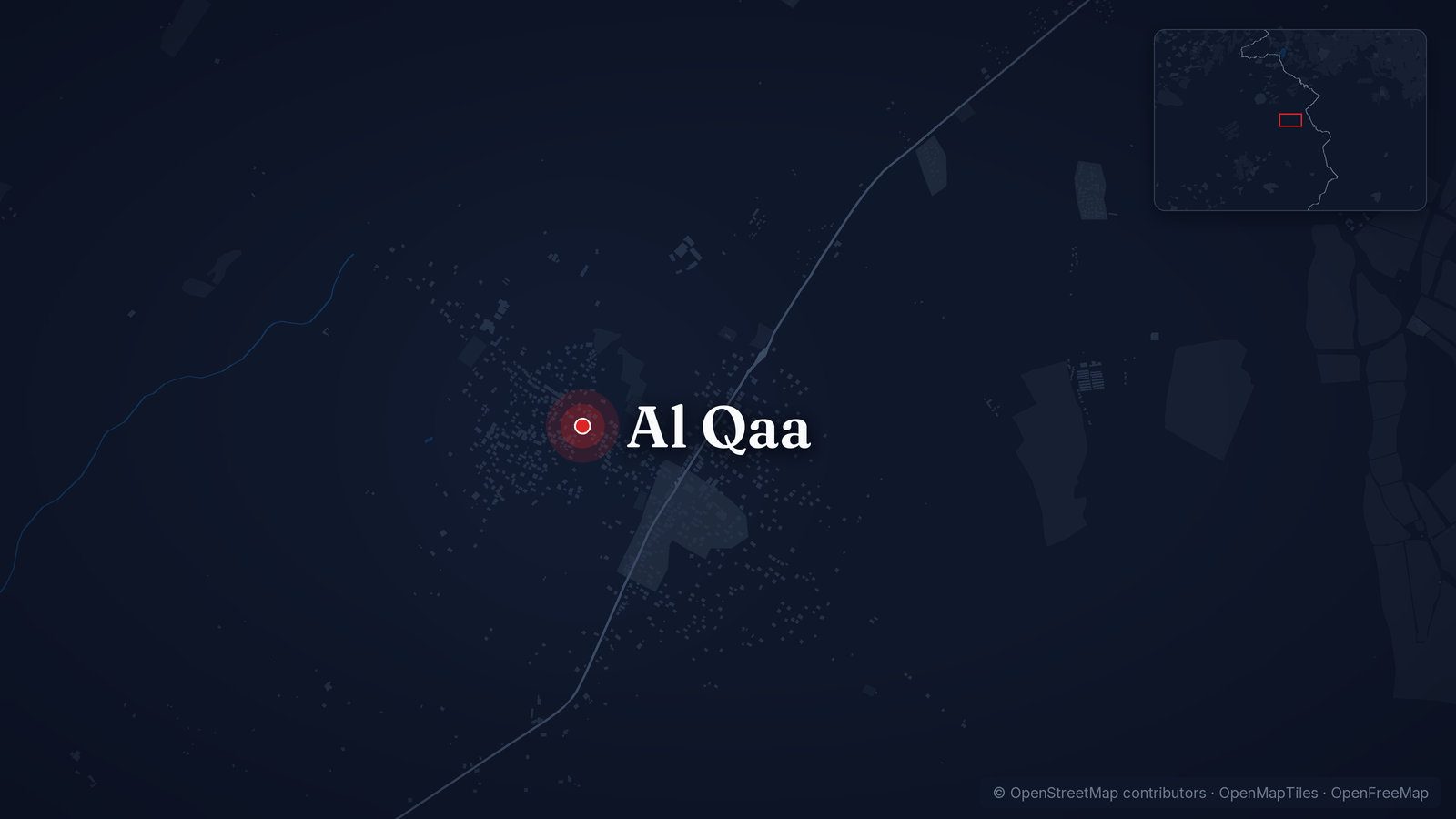
The Lebanese Army announced it seized about 264 kg of explosive materials, including 203 kg of C4 and 61 kg of TNT, after the materials were "illegally brought into Lebanon from Syria." The Army said it arrested three suspects during an operation in the Doura area, in Macharih el-Qaa, an agricultural region under the jurisdiction of the Qaa municipality near the Syrian border in the northeastern Bekaa. L'Orient-Le Jour reported that the number of people detained rose to four after a new arrest, and it said the investigation was ongoing under the competent judiciary.
The Army said the three suspects were Lebanese nationals identified by the initials A.F., Z.R. and Z.R., and it said they were suspected of having personally brought the cargo into Lebanon. Syrian internal security forces also announced they intercepted another "shipment of weapons destined for Lebanon" during an operation in the Damascus region, arresting one suspect while investigations continued.
Arrests, Allegations, Denials
The Lebanese Army said it seized the explosives after border monitoring and surveillance operations along the northern and eastern borders, and it said it arrested three people and launched an investigation. A Lebanese security source told AFP that the explosives entered Lebanon from Syria via rugged terrain and an "illegal crossing point," and the source added the three arrested men were "civilian smugglers with no party affiliation." LBCI television quoted sources as saying the investigation found no conclusive evidence linking the shipment to Hezbollah, making it premature to attribute it to the group or any other party.
Hezbollah denied claims circulating about the detention of youths in Qaa and the seizure of explosives in a truck belonging to it, according to a security source for An-Nahar. Hezbollah MP Hussein al-Hajj Hassan condemned the prosecutions, saying, "This unacceptable and condemnable prosecution... constitutes a dangerous course of action," and Hezbollah media officer Youssef al-Zein said only one of the five defendants was a member and had not been on a "party-related mission at the time of his arrest."
State Control Stakes
The Arab Weekly said the Lebanese Army seizure reopened fears of arms proliferation in Lebanon and described mounting pressure on Beirut to tighten state control over weapons and dismantle channels that moved military equipment outside official frameworks. The Arab Weekly reported that the army statement did not identify the owners or potential recipients of the explosives and did not indicate that the arrested men had any political or organisational affiliation. The Arab Weekly also said L'Orient-Le Jour military sources told investigators had yet to establish whether the suspects were linked to any political group or where the seized materials were headed.
The Arab Weekly framed the issue as a test for security cooperation between Damascus and Beirut, because disrupting smuggling in one direction would not be enough if routes remained available for use. The Arab Weekly said the Lebanese government faces a challenge tied to restoring state authority over decisions of war and peace and securing its monopoly on the use of force, and it argued that bringing weapons under state control requires closing supply routes that could allow stocks of explosives and ammunition to be replenished.