Lebanese Return Home as Trump Announces 10-Day Israel Ceasefire, Despite Hezbollah and Israel Violations
Key Takeaways
- Trump announced a 10-day ceasefire between Israel and Lebanon taking effect.
- Lebanese civilians returned to destroyed towns as the ceasefire took hold.
- Lebanese army recorded Israeli ceasefire violations, including shelling of southern villages.
Ceasefire and return begins
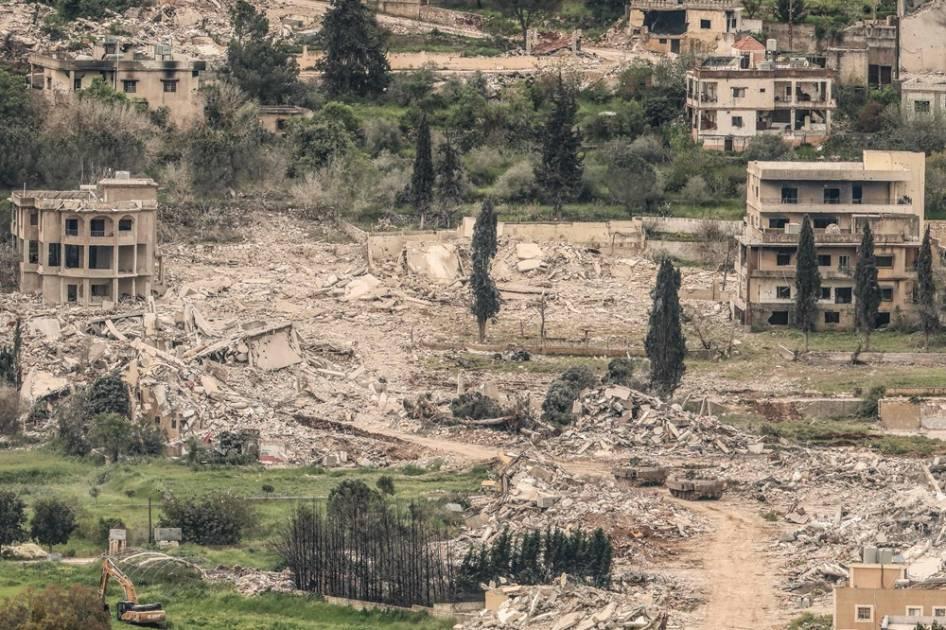
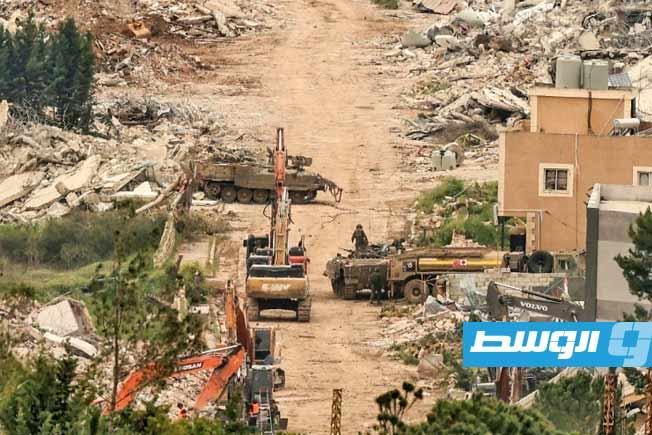
People uprooted by the war in Lebanon began returning to devastated towns and neighbourhoods on Friday, with many finding their homes destroyed or uninhabitable and hesitant to stay for fear a ceasefire between Hezbollah and Israel could unravel.
“Lebanese President Joseph Aoun has said that the country would no longer be an “arena for anyone’s wars”, and that the ceasefire with Israel should lead to work on permanent agreements”
The Korea Times reported that U.S. President Donald Trump announced the 10-day ceasefire agreement between the governments of Lebanon and Israel on Thursday, and that the ceasefire leaves “big questions” because it does not demand Israel withdraw troops occupying parts of the south and Iran-backed Hezbollah “says it maintains ‘the right to resist’.”

In Beirut’s Hezbollah-controlled southern suburbs, hills of rubble stood where there had once been apartment blocks, and the y alibnan report described “the smell of death” hanging in the air as residents moved cautiously.
Ali Hamza said he found his home intact but that people were scared to return for now, adding, “It is impossible to live in these circumstances, and with these smells. A full return is difficult now, despite the hardship of displacement.”
In Qasmiyeh in southern Lebanon, cars were driving across a makeshift crossing over the Litani River, hastily erected after the ceasefire came into effect at midnight local time (2100 GMT), according to The Korea Times and echoed by ThePrint.
The Korea Times said Israel destroyed all the bridges over the Litani during the war, blowing up the one at Qasmiyeh on Thursday, while ThePrint reported the same detail about the bridge being blown up on Thursday.
ThePrint also said the Lebanese army reported violations of the ceasefire by Israel, including intermittent shelling of several southern Lebanese villages, and urged citizens to hold off on returning to southern villages and towns.
What the truce does not fix
Even as families tried to head back, the sources emphasized that the ceasefire’s terms left unresolved questions about control of southern Lebanon and the status of Hezbollah.
The Korea Times said the ceasefire “does not demand Israel withdraw troops occupying parts of the south,” and described Hezbollah as operating “independently of the Lebanese state,” while maintaining “the right to resist.”

It also reported that Israel ordered residents out of swathes of the south, Beirut's southern suburbs and other areas during the war, and that the bulk of the displaced are members of the Shi'ite Muslim community who “also bore the brunt of a war in 2024 between Shi'ite Hezbollah and Israel.”
In the same report, Israeli Prime Minister Benjamin Netanyahu said he had rejected Hezbollah's demand to withdraw forces from the south, and Hezbollah fired “hundreds of rockets and drones” at Israel during the war.
ThePrint added that Hezbollah opened fire on March 2 in support of Tehran, and that Israel’s campaign in Lebanon emerged as a major obstacle to securing a peace deal sought by Trump to end the war on Iran.
ThePrint also described Israel’s stated approach to territory, saying Israeli troops would maintain control and that Israel’s aim was to create a “buffer zone” to protect northern Israeli towns from Hezbollah attacks.
In addition, the y alibnan report said Israel’s defence minister stated Israeli troops would continue to demolish homes he claimed were being used by Hezbollah, while Hezbollah expressed “cautious commitment” to the ceasefire and said it must ensure that all Israeli hostilities stop and limit the Israeli military’s “freedom of movement” in Lebanon.
Voices from Beirut to Washington
Multiple political voices framed the ceasefire as both a respite and a test of whether Lebanon can assert authority over its territory.
“Lebanese army reports Israeli ceasefire violations Army says it recorded fresh Israeli attacks and shelling of several southern villages after truce took effect Tarek Chouiref 17 April 2026•Update: 17 April 2026 ISTANBUL The Lebanese army said early Friday that it recorded several ceasefire violations by Israel, including sporadic shelling targeting a number of villages in southern Lebanon”
Lebanese President Joseph Aoun told the Lebanese public in a televised address that the country would no longer be an “arena for anyone’s wars,” saying, “Lebanon was no longer ‘a pawn in anyone’s game, nor an arena for anyone’s wars, and we never will be again’.”
In that same address, Aoun said the ceasefire should lead to work on permanent agreements and described a phase of “transition from working on a ceasefire to working on permanent agreements that preserve the rights of our people, the unity of our land, and the sovereignty of our nation.”
The New York Times reported that Hezbollah politicians affirmed a “cautious commitment” to the 10-day cease-fire while also criticizing the Lebanese government, and it quoted a statement from the Hezbollah parliamentary bloc accusing Lebanon’s leadership of pushing the country “into a new and extremely dangerous phase” by submitting to what it called U.S. and Israeli “dictates.”
The New York Times also quoted Aoun saying, “What has been achieved in halting the gunfire was the culmination of everyone’s efforts,” in a statement posted to social media.
On the U.S. side, Trump’s Truth Social post said, “I just had excellent conversations with the Highly Respected President Joseph Aoun, of Lebanon, and Prime Minister Bibi Netanyahu, of Israel,” and that the leaders agreed to begin a “10 Day CEASEFIRE at 5 P.M. EST.”
The BBC captured the Israeli domestic reaction, quoting Gal in Nahariya saying, “I feel like the government lied to us,” and quoting Maor, a 32-year-old truck driver, saying, “If we don't do it, no one will. It's a shame they stopped.”
Different outlets, different emphases
While the ceasefire’s start and the return of displaced families were common threads, the outlets diverged in what they foregrounded: the mechanics of the truce, the immediate violence after it began, and the political framing inside each country.
CNN reported that “At least one person has been killed in an Israeli strike carried out after the ceasefire began,” citing Lebanon’s health ministry, and said it had reached out to the Israeli military for comment.

By contrast, the New York Times described the ceasefire as “holding on its first day,” saying the United Nations peacekeeping force in Lebanon said Israeli airstrikes had stopped in the south and that “no projectiles had been fired into Israel from Lebanese territory.”
The BBC, meanwhile, focused on Israeli skepticism and the surprise element, saying the ceasefire “takes Israel by surprise” and quoting Gal in Nahariya and Maor, while also describing how sirens blared and interceptors shot up to block incoming rockets in the hours before the ceasefire took effect.
CBS News framed the truce through the wider Iran conflict, saying the ceasefire began at 5 p.m. EDT and that it remained uncertain whether Hezbollah would recognize a deal it did not negotiate, while also noting that the Strait of Hormuz remained effectively closed to most commercial shipping traffic.
ThePrint and The Korea Times emphasized the return journey and the physical destruction, including the Litani crossing and the destroyed bridges, while y alibnan added a specific claim that Trump said the United States had banned Israel from further bombing in Lebanon.
Axios provided a behind-the-scenes account of how the ceasefire was pushed through, saying “Trump pushed this ceasefire through,” and describing a security cabinet call where ministers heard about the announcement minutes into the call.
Risks, violations, and next steps
As the truce began, the sources described continuing risks tied to ceasefire violations, unexploded ordnance, and the unresolved question of Israeli troop presence in southern Lebanon.
“Trump's Lebanon ceasefire takes Israel by surprise As news of the ceasefire spread through Israel's northern communities, sirens blared three times this evening warning of incoming rockets from Lebanon”
Anadolu Ajansı reported that the Lebanese army said early Friday it recorded “several ceasefire violations by Israel, including sporadic shelling targeting a number of villages in southern Lebanon,” and that the army urged residents to delay returning because the violations “continued to pose a threat to civilians.”

The army also warned of “the danger posed by unexploded ordnance and suspicious objects left behind by the Israeli attacks,” urging residents to report them to the nearest military post.
ThePrint said the Lebanese army reported violations including intermittent shelling of several southern Lebanese villages and called on citizens to hold off on returning to southern villages and towns, while The Korea Times said the Lebanese army urged citizens to hold off on returning to southern villages and towns.
CBS News added that the Lebanese army posted on social media that there had been “a number of violations of the agreement, with several Israeli attacks recorded, in addition to intermittent shelling targeting a number of villages.”
At the same time, the sources tied the ceasefire’s fragility to the broader political dispute over Hezbollah and state authority: the Korea Times said the ceasefire agreement requires Beirut to take “meaningful steps to prevent Hezbollah” from attacking Israel, while also stating Israel preserves the right to “take all necessary measures in self-defense at any time.”
Looking ahead, Axios said Trump would invite Aoun and Netanyahu to the White House for “meaningful talks,” and the sources also linked the Lebanon track to the Strait of Hormuz and U.S.-Iran diplomacy, with y alibnan reporting Abbas Araqchi said the Strait of Hormuz was open following the agreement and CBS News stating it remained effectively closed to most commercial shipping traffic.
More on Lebanon

Naim Qassem Says Hezbollah Truce With Israel Must Be Two-Sided, Vows Response To Attacks
16 sources compared

Macron Blames Hezbollah for Killing French UNIFIL Peacekeeper in Southern Lebanon
16 sources compared
Israel Attacks Lebanon After Ceasefire, Leaving Nabatieh Residents Returning to Destroyed Homes
35 sources compared
Lebanese Return to South Lebanon After Israel-Lebanon 10-Day Ceasefire Takes Hold
27 sources compared