Lebanon Proposes Direct Talks With Israel, First in Decades
Key Takeaways
- Lebanon proposes direct talks with Israel, first such move in decades.
- Lebanese officials want fighting to end first, but it may be too late.
- Airstrikes rock Beirut as Israeli troops advance against Hezbollah.
Historic Diplomatic Offer
Lebanon has proposed direct talks with Israel, the first such offer in decades.
“Lebanon has proposed the first direct talks with Israel in decades”
Israeli Foreign Minister Gideon Saar immediately denied any talks were planned during a visit to an Israeli town hit by an Iranian missile.
The diplomatic overture comes amid escalating tensions between Israel and Hezbollah.
Lebanon is attempting to assert greater control over its territory while facing Israeli military pressure.
The proposal reflects Lebanon's complicated relationship with Hezbollah and its desire to avoid becoming entangled in broader regional conflicts.
Historical Context
The historical context of Lebanon-Israel relations is deeply intertwined with the civil war era and Hezbollah's continued military presence.
The 1975-1990 civil war agreement called for disarmament of all armed groups, but Hezbollah maintained its weapons claiming they were needed to protect Lebanon from Israeli occupation.
Successive Lebanese governments avoided direct confrontation with Hezbollah due to fears of reigniting civil war.
This created a complex power dynamic where Hezbollah remained more powerful than Lebanon's own armed forces.
Hezbollah's Rejection
Hezbollah has vehemently rejected the Lebanese government's offer of direct talks with Israel.
“Lebanon has proposed the first direct talks with Israel in decades”
Senior Hezbollah official Mahmoud Qamati called the offer 'a concession and a big mistake' and warned it would be 'stabbing the resistance in the back.'
The group maintains that Lebanon cannot make any promises without Hezbollah's approval.
Hezbollah positions itself as the ultimate defender against Israeli aggression.
The group accuses Israel of violating ceasefire agreements and maintaining occupation of Lebanese territory.
Geopolitical Context
The broader geopolitical context reveals limited international appetite for mediation efforts.
Washington appears preoccupied by the wider war and its economic impacts.
U.S. officials have shown minimal focus on Lebanon, with one envoy dismissing the country as a 'failed state.'
The Lebanese government faces severe financial crisis challenges while sheltering nearly one million displaced people.
Israeli military advances continue in southern Lebanon ahead of an expected wider ground invasion.
Israeli Defense Minister Israel Katz warned Lebanon will pay 'an increasing price in infrastructure damage and territorial loss until the commitment to disarm Hezbollah is fulfilled.'
More on Lebanon

Israel begins its long-planned ground invasion of Lebanon
13 sources compared

Hezbollah Fires 200 Rockets at Israel From Lebanon
17 sources compared
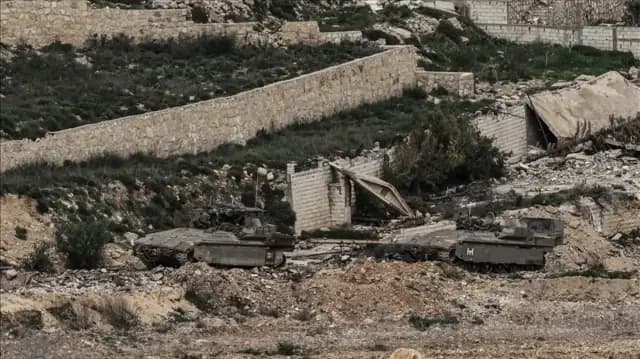
Israel Attacks Hezbollah Infrastructure in Beirut, Forcing Over 1 Million Lebanese to Flee
12 sources compared
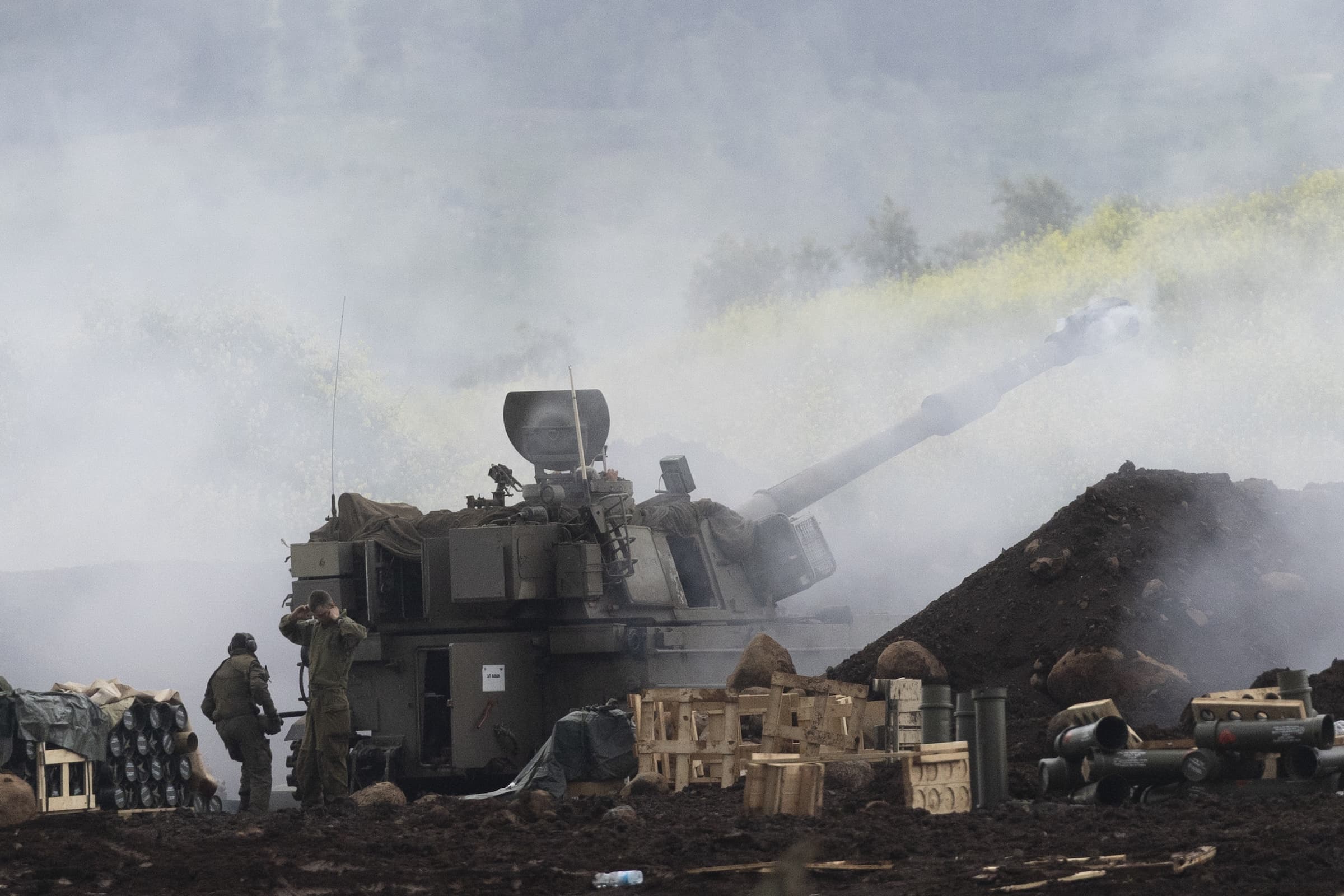
Israel Launches Ground Operation in Southern Lebanon to Target Hezbollah
10 sources compared