
Lebanon Urges Full Israeli Withdrawal as Hezbollah Threatens Attacks After Ceasefire Violations
Key Takeaways
- Direct talks resume between Lebanon and Israel, detailing positions and disagreements.
- Lebanon seeks U.S. leverage, pressing for withdrawal of Israeli forces.
- Lebanese army reports Israeli ceasefire violations as expiry looms.
Ceasefire, strikes, and politics
Lebanon’s push for peace has unfolded alongside continuing Israeli military activity and escalating domestic political pressure, with multiple outlets describing a fragile ceasefire and competing demands for what comes next.
Naharnet reported that “Some residents in Beirut believe south Lebanon should be included in a ceasefire between Israel and Hezbollah,” and quoted Joe Ghafari saying, “It is not related to Hezbollah and Israel, but to Iran and the US.”
The same Naharnet report said Diala Ammar called it “unfair” for the south to stay at war while the rest of the country “lives normally.”
In parallel, الخليج reported that Lebanon’s army said it recorded Israeli attacks that “constitute a violation of the ceasefire agreement between the two countries,” which “went into effect at midnight Friday local time.”
الخليج also said the army urged Lebanese “to refrain from returning to the southern villages and towns,” while Hezbollah responded that it would “counter them by targeting Israeli forces stationed in several border areas.”
The Washington Post framed Lebanon’s diplomatic posture around leverage, quoting Prime Minister Nawaf Salam telling the paper that any deal requires a “full withdrawal” of Israeli forces after Israel seized a “buffer zone” in Lebanon.
Together, the reporting shows a ceasefire moment defined not only by battlefield actions but also by Lebanon’s insistence on withdrawal and by disputes over whether the south is covered by any truce.
Hezbollah’s threat and state authority
While ceasefire language circulated, Hezbollah’s stance toward Lebanon’s government sharpened into a direct challenge to the state’s legitimacy, according to ميدل ايست اونلاين.
The outlet said a Hezbollah official told Al-Jadeed TV that the government must either apologize to “the Lebanese people and the resistance” for alleged negligence and collusion or face “a broad popular wave that could completely undermine its legitimacy.”
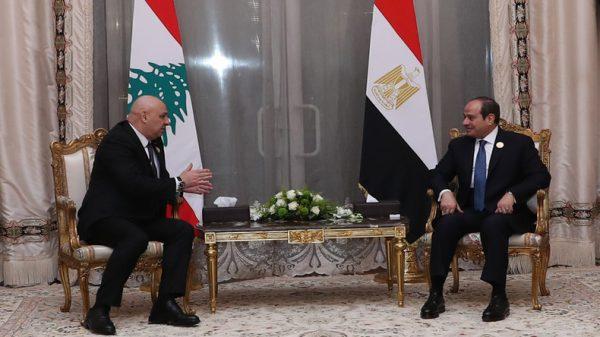
ميدل ايست اونلاين described the criticism as tied to “Talk of possible direct negotiations between Lebanon and Israel,” and said Qamati confirmed that any victory achieved by the resistance would place the government under “a difficult test.”
The same report said the Lebanese government, led by Prime Minister Nawaf Salam, condemned Hezbollah’s intervention, stating that firing rockets at Israeli territory poses “a danger to the country’s stability and worsens its economic and social distress.”
It also said the government repeatedly stressed that dragging Lebanon into a regional war does not serve the state’s interests, especially “given the financial and economic crisis the country is facing.”
The outlet further connected the internal dispute to earlier wartime restrictions, saying that at the start of the war the government imposed restrictions on Hezbollah’s military activities after rocket attacks on Israel that came in response to the killing of Iran’s Supreme Leader Ayatollah Ali Khamenei.
In the same reporting thread, ميدل ايست اونلاين described Israeli warnings to evacuate areas south of the Zahrani River and said the Israeli army’s map expanded the bombing area to north of the Zahrani River.
Humanitarian toll and church concern
Humanitarian and civilian impacts were central to the World Council of Churches’ engagement with Lebanon’s diplomatic mission, as the organization met with Lebanon’s Ambassador to the United Nations in Geneva.
“Mobile version Sign Up Login Home Lebanon Middle East World Business Sports Climate Change & Environment Entertainment Offbeat Culture Science Obituaries Technology Health Entrepreneurship Roundup En ع Lebanese residents call for peace in south Lebanon by Naharnet Newsdesk 1 hour ago Comment 0 [](https://www”
World Council of Churches reporting said Rana al-Khoury, the First Secretary at the Lebanese Permanent Mission, attended the meeting along with Peter Prove, Director of the World Council of Churches' Commission on International Affairs, Carla Khijoyan, the Executive Director of the World Council of Churches' Middle East Peacebuilding Program, and Marian Eidersten, Director of Communications at the World Council of Churches.
The outlet said al-Khoury outlined “the increase in efforts the Lebanese government has undertaken since its formation to assert its authority over its territory,” and highlighted a March 2 decision “deeming all security and military activities of Hezbollah illegal and assigning the Lebanese army to disarm Hezbollah.”
It also said she reviewed a four-point plan, including “an urgent appeal from the President of Lebanon calling for an immediate stop to hostilities,” particularly “in light of Israeli attacks that affect civilians and civilian infrastructure across the country.”
The World Council of Churches cited Lebanese authorities’ information that repeated Israeli assaults affected residential areas and civilian infrastructure in “the South, the Southern Suburbs of Beirut, and the Baalbek region,” producing “civilian casualties, damage to homes, and widespread displacement.”
Quantifying the scale, the outlet said data from the Disaster Risk Management Unit indicated “1,623 hostile acts, 687 killed, and 1,774 injured,” and “822,000 internally displaced people,” including “128,200 are currently in collective shelters.”
Very Rev. Dr. Jerry Pillay expressed concern and said, “The protection of civilians must remain of utmost importance in all circumstances,” adding, “We join the call for an immediate stop to hostilities and full respect for international humanitarian law.”
Trump, Aoun, and the ceasefire timeline
The ceasefire’s political architecture was described through U.S. President Donald Trump’s public statements and Lebanon’s presidential diplomacy, with the truce framed as a window for behavior and negotiations.
الخليج reported that Trump expressed hope that Hezbollah would “act well during the ten-day ceasefire reached between Lebanon and Israel,” writing on his Truth Social platform upon arriving in Las Vegas that he hopes Hezbollah will behave well during “this important period.”

The outlet quoted Trump’s message: “No more killing. There should finally be peace. Thank you for your attention to this matter.”
It also said Trump announced that Lebanese President Joseph Aoun and Israeli Prime Minister Benjamin Netanyahu agreed to a ten-day ceasefire starting at 21:00 GMT, with the truce beginning “at midnight local time Thursday night to Friday (21:00 GMT Thursday).”
The same report said Netanyahu and Aoun confirmed approval of the temporary truce “after more than a month of fighting between the Israeli army and Hezbollah,” and that Israel says Hezbollah “must be disarmed.”
Regarding direct talks, الخليج said Aoun told Trump that the ceasefire Lebanon seeks with Israel would be “the natural entry point for direct negotiations between the two countries under the presidential negotiation initiative.”
It further reported that the Lebanese presidential palace announced a telephone call between Trump and Aoun in which Aoun again thanked Trump for efforts to secure a ceasefire and to ensure “lasting peace and stability.”
Annexation talk and contested narratives
Beyond ceasefire mechanics, Israeli political statements about the south of Lebanon and the geography of military aims added another layer of contention, with ميدل ايست اونلاين and اندبندنت عربية describing different aspects of the same broader conflict.
اندبندنت عربية reported that Israeli Finance Minister Betzalel Smotrich said Israel should extend its border with Lebanon to the Litani River, stating that “the new Israeli borders must be at the Litani.”
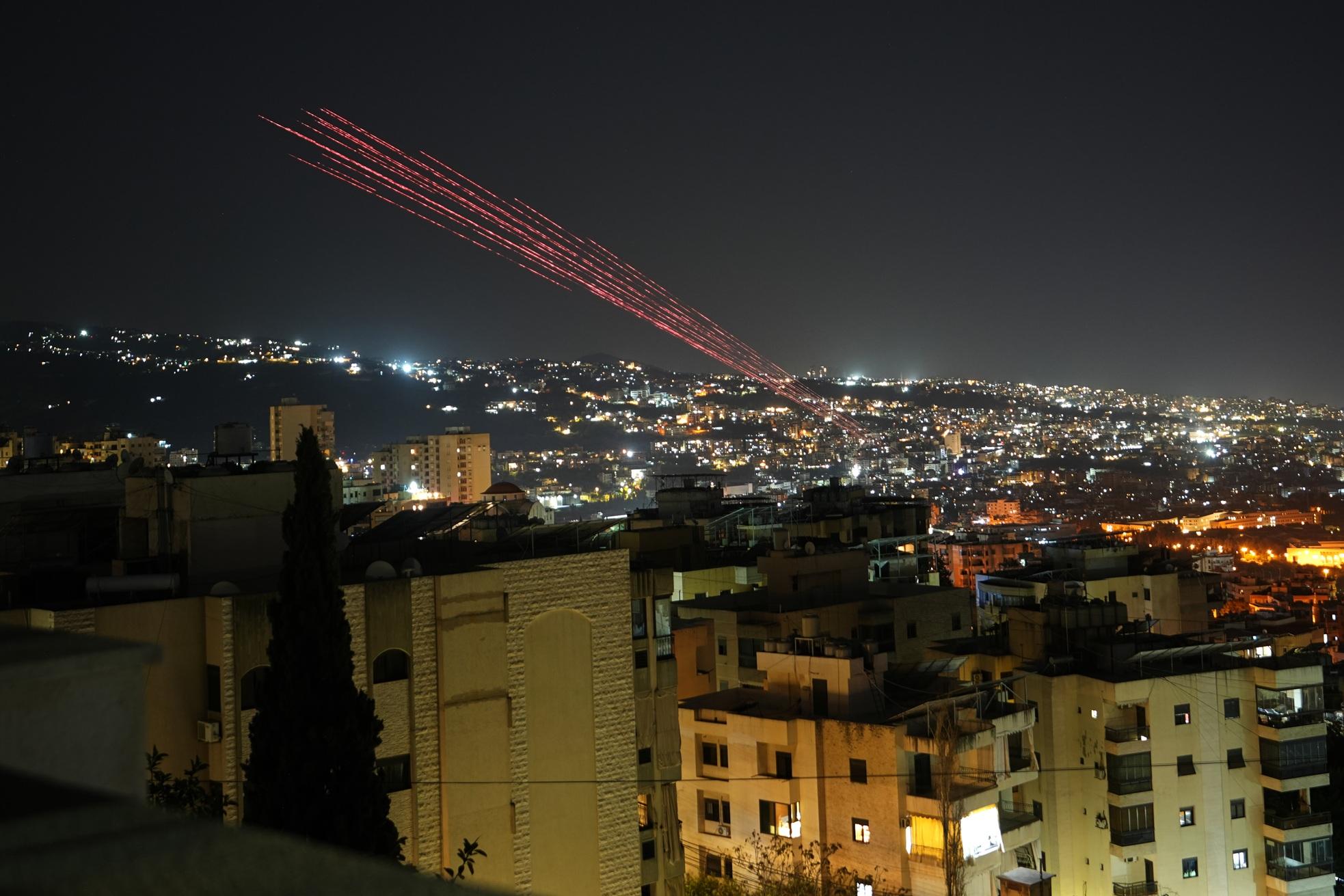
The outlet said Smotrich’s remarks were “the clearest and most outspoken to date from a senior Israeli official regarding the seizure of Lebanese land,” and noted that he is “the leader of a small far-right party in the governing coalition in Prime Minister Benjamin Netanyahu’s government.”
It also said Defense Minister Israel Katz hinted at plans to seize land, saying that Lebanon could face “loss of land” if Hezbollah is not disarmed.
In the same report, اندبندنت عربية described an Israeli airstrike on an apartment in Hazmieh, southeast of Beirut, adjacent to the presidential palace and diplomatic mission headquarters, and said the Lebanese Health Ministry reported “One person was killed” with an “initial death.”
Meanwhile, ميدل ايست اونلاين described Israeli warnings to evacuate homes south of the Zahrani River and said the bombing area was expanded to north of the Zahrani River, while also stating that the Israeli army announced the “36th Military Division joined the operation aimed at widening its ground penetration into southern Lebanon.”
Taken together, the reporting shows how annexation-oriented rhetoric, bridge targeting, and evacuation orders all feed into the dispute over what “buffer zone” and “withdrawal” mean in practice.
More on Lebanon
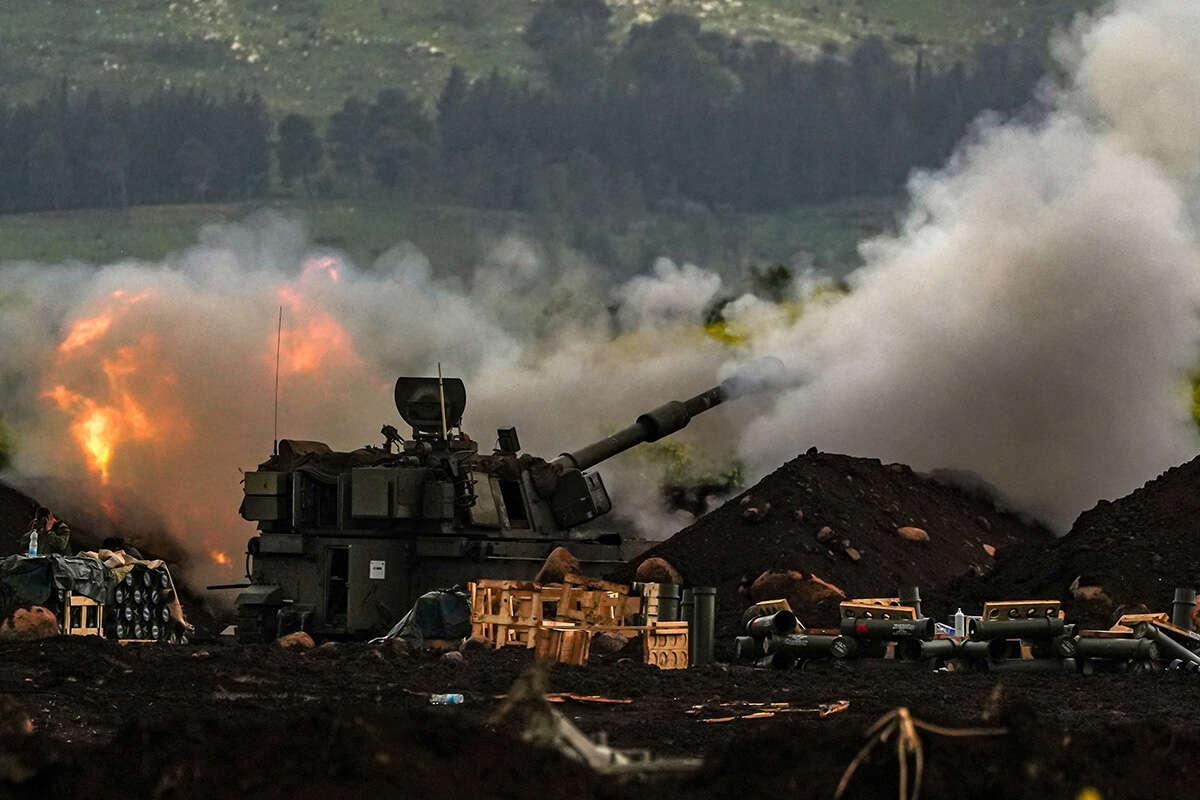
Trump Extends Israel-Hezbollah Ceasefire In Lebanon By Three Weeks
11 sources compared
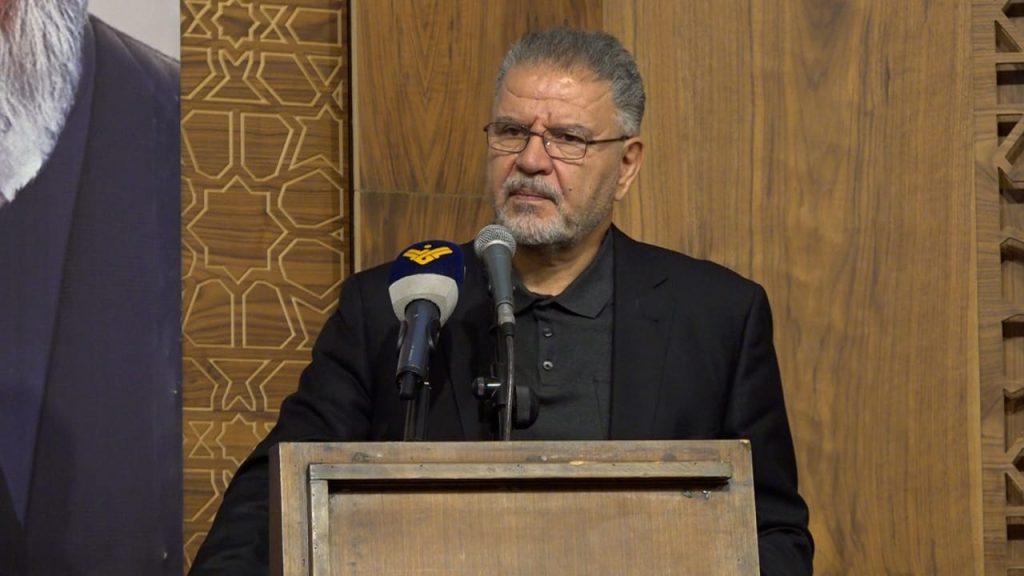
Trump Announces Three-Week Israel-Lebanon Ceasefire Extension After Hezbollah Dismisses It As Meaningless
11 sources compared

Trump Says Israel And Lebanon Extend Israel-Hezbollah Ceasefire By Three Weeks
18 sources compared
Hezbollah Drone Attack Injures Israeli Reservist as Israel Strikes Southern Lebanon
11 sources compared