
Lebanon’s Deadlock Over Hezbollah Weapons Threatens Civil War Amid Israel-Lebanon Talks
Key Takeaways
- U.S.-hosted talks in Washington renew negotiations on Hezbollah disarmament.
- Disarmament deadlock over Hezbollah complicates Lebanon-Israel peace efforts.
- Trump-mediated diplomacy features prominently, with high U.S. involvement in talks.
Deadlock Over Hezbollah
Lebanon’s political deadlock centers on a dispute over Hezbollah’s weapons and whether the Lebanese government can force Hezbollah to disarm in a system where the state seeks “a state monopoly on weapons.”
Al Jazeera frames the core question as whether Lebanon has “the political and military power to force Hezbollah to do so,” even as it describes the Lebanese government’s position that Hezbollah must disarm.
The same Al Jazeera piece is published alongside its coverage of “Israel attacks Lebanon,” underscoring how the political dispute is intertwined with the security environment.
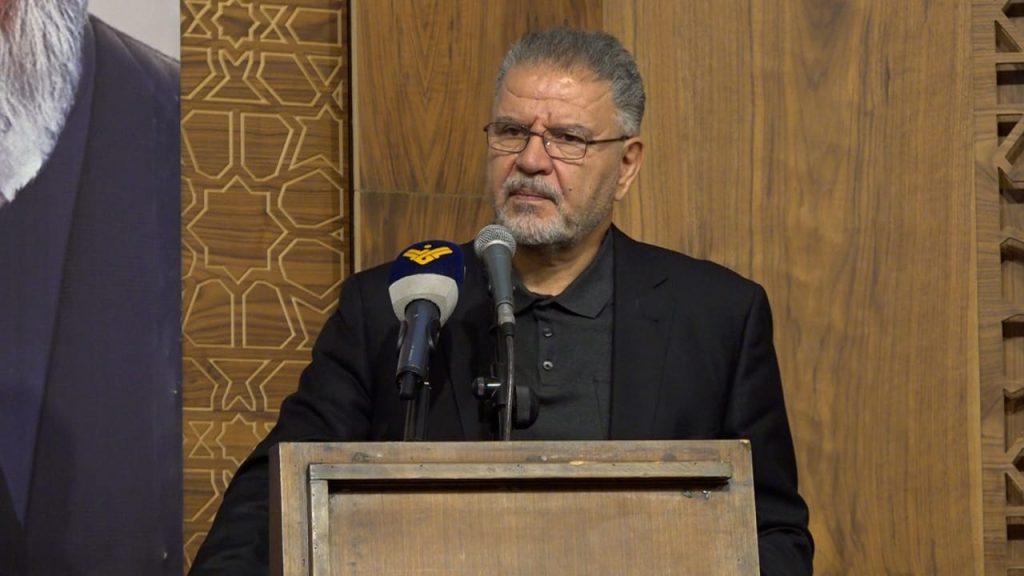
In a separate interview, Bassam Ghanum argues that the recent war “began in Lebanon on 2 March” and says it was “by Hezbollah’s decision in response to Iranian pressure and in defence of Iran and not in defence of Lebanon.”
Ghanum also describes the ceasefire situation as “very difficult,” saying “The Israeli enemy is occupying 55 villages” and that Avichay Adraee “issued a statement” warning people “by name.”
The Fox News account similarly places the disarmament question at the center of U.S.-brokered diplomacy, describing “the central question” that “has derailed every previous attempt at a lasting deal: What happens to Hezbollah.”
Ceasefire Talks and Timing
Diplomatic efforts described across the sources converge on a new round of talks between Israel and Lebanon, with the timing tied to a ceasefire deadline.
Middle East Forum says “a second round of direct talks is reportedly due to take place between the two countries in Washington tomorrow,” and it describes U.S. mediation as motivated by securing an agreement “separate from the American negotiations track with Iran” that could “normalise relations between Israel and Lebanon.”
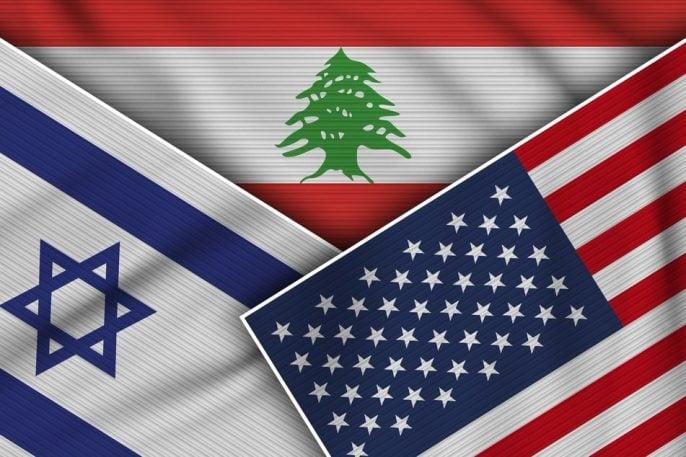
Fox News reports that “As Israel and Lebanon return to U.S.-brokered talks Thursday in Washington,” the meeting is hosted by Secretary of State Marco Rubio and includes senior U.S. officials and ambassadors, naming “U.S. Ambassador to Israel Mike Huckabee,” “U.S. Ambassador to Lebanon Michel Issa,” and “Counselor Michael Needham.”
Fox News also quotes a State Department spokesperson calling the “initial April 14 meeting” “productive,” and says “We will continue to facilitate direct, good-faith discussions between the two governments.”
Elnashra, in turn, presents Israel’s stated goal as clear: “our goal in Lebanon is clear, namely to disarm Hezbollah,” and it says Israel “thanked U.S. President Donald Trump for mediating negotiations with Lebanon.”
A separate Crypto Briefing piece adds market framing around “Trump to host Israel-Lebanon peace talks before ceasefire expires Thursday,” and places the talks at “the State Department.”
Who Holds Authority
The sources also diverge on who has leverage inside Lebanon and how disarmament could be enforced, even as they agree that disarmament is the central sticking point.
“The Israeli government has made clear that its objective in Lebanon is to disarm Hezbollah, viewing the group as the main obstacle to peace”
Fox News says a senior U.S. official described the “core dilemma” as a mutual condition: “Hezbollah will not agree to disarm without a full Israeli withdrawal from southern Lebanon, while Israel will not withdraw without Hezbollah disarming.”
That same Fox News account says “International mechanisms — including the United Nations Interim Force in Lebanon (UNIFIL) and a multilateral coordination group — have been working to bridge that gap since late 2024, without success.”
It further claims that while “Lebanon’s president, Joseph Aoun, is not necessarily the decisive factor,” “Nabih Berri, speaker of the nation's House, is the one with true authority, not Aoun.”
In the Middle East Forum interview, Bassam Ghanum describes the ceasefire aftermath as a situation where “Lebanon has been forced for the first time as a result of this war to enter into direct negotiations with the Zionist enemy,” and he adds that “today President Joseph Aoun made clear that Lebanon is waging a diplomatic war without bloodshed.”
Al Jazeera’s framing, meanwhile, centers on whether Lebanon’s government can compel Hezbollah to disarm to achieve “a state monopoly on weapons,” asking “But does it have the political and military power to force Hezbollah to do so?”
Voices Inside Lebanon
Inside Lebanon, Fox News reports that frustration with Hezbollah is growing and that some see the U.S.-brokered negotiation track as a chance to restore state balance, while other analysts warn that disarmament could trigger civil conflict.
Rami Naeem, a Lebanese journalist and analyst with Jusoor News, says, “There is a growing sense across Lebanon that any U.S.-brokered negotiation track could be a rare opportunity to restore balance to the state,” adding that “Hezbollah’s continued military and political dominance is widely seen as a central driver of the collapse.”
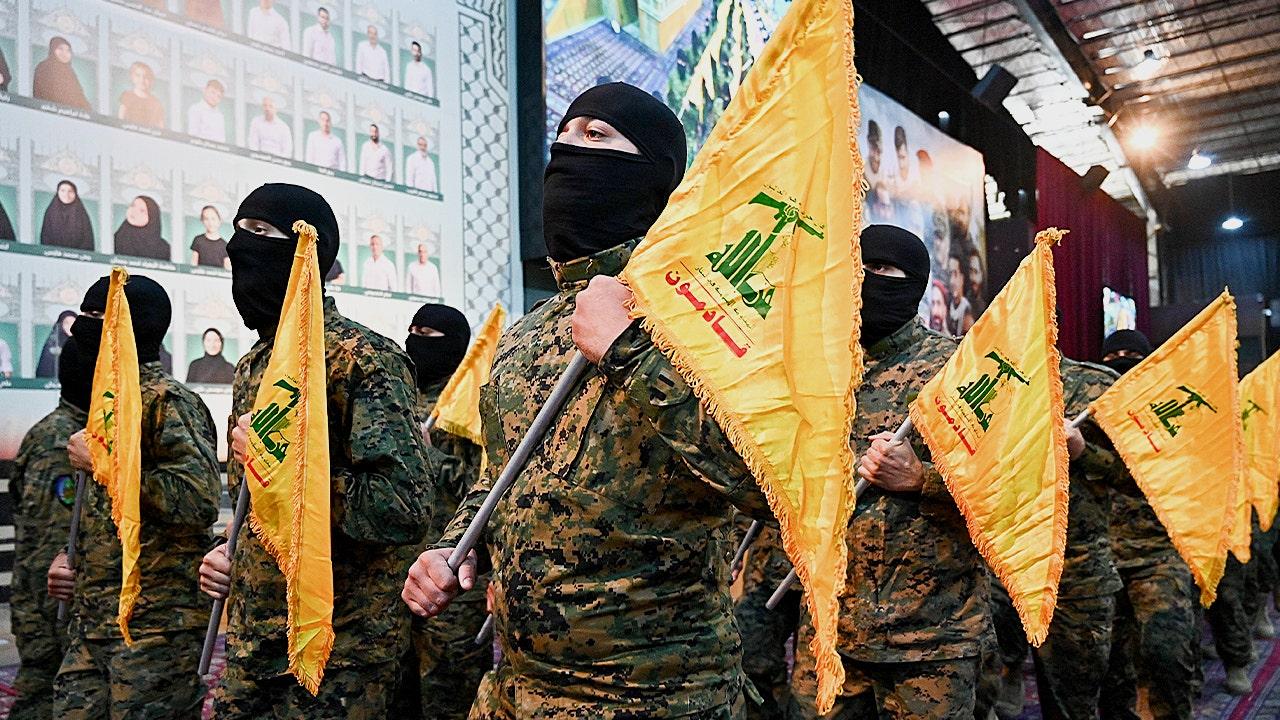
Mariam Kasrawani, a Lebanese analyst at Jusoor News, says criticism is becoming more explicit, quoting her: “It is becoming harder to ignore the depth of the crisis,” and “Some are now saying it plainly: Hezbollah has taken Lebanon as a whole — and Shia in particular — to a very bad place.”
Fox News also includes a more pessimistic view from Barak Seener of the Henry Jackson Society think tank, who says, “I’m not at all optimistic,” and argues, “Lebanon is far too weak and divided to force Hezbollah to disarm.”
Seener warns that “Any attempt to disarm Hezbollah risks civil war,” while also describing the talks as focused on “ceasefire expansion, Hezbollah withdrawal from border zones, and an expanded presence of the Lebanese army.”
In the Middle East Forum interview, Bassam Ghanum similarly portrays the war as destructive for “the people of the south, the people of Dahiya and the people of Lebanon as a whole,” and he says “All of Lebanon is paying the price for this war.”
Stakes and Competing Frames
The stakes in Lebanon are portrayed through competing frames: one emphasizes disarmament as the “only path to restoring stability,” while another emphasizes negotiations as a necessity to “spare Lebanon further destruction.”
“Young men and women from the town of Kfarshouba raising Lebanese flags in the town square to welcome Lebanese Prime Minister Nawaf Salam, February 8, 2026”
Elnashra quotes an Israeli government position that “disarming Hezbollah is the key to peace in the region,” and it also includes a statement that “European Council President: We will continue to support the authorities in disarming Hezbollah as the only path to restoring stability in Lebanon.”
It further says “Katz: Disarming Hezbollah by military or political means remains the battle goal to which we are committed,” while also presenting an IDF Radio view that “disarming Hezbollah through a military operation is not currently possible.”
Fox News, by contrast, emphasizes the risk of failure and the narrow scope of the talks, with Barak Seener saying, “I think that these talks are doomed to failure,” and “I think Israel is currently engaged in conflict management.”
Fox News also reports that the Saudi daily Asharq Al-Awsat has a report that the U.S. may press Lebanon to repeal its “1955 Israel Boycott Law,” which “bans contact with Israelis,” framing it as a step toward normalization without confirming details.
Middle East Forum adds a different internal logic, describing some in Lebanon who would welcome developments “alongside the final disarmament of Hezbollah,” while others see negotiations with Israel as “a bitter necessity to spare Lebanon further destruction,” and it describes Hezbollah disarmament as “a necessity, not as an act of surrender to Israel but to give Lebanon a chance at stability.”
More on Lebanon
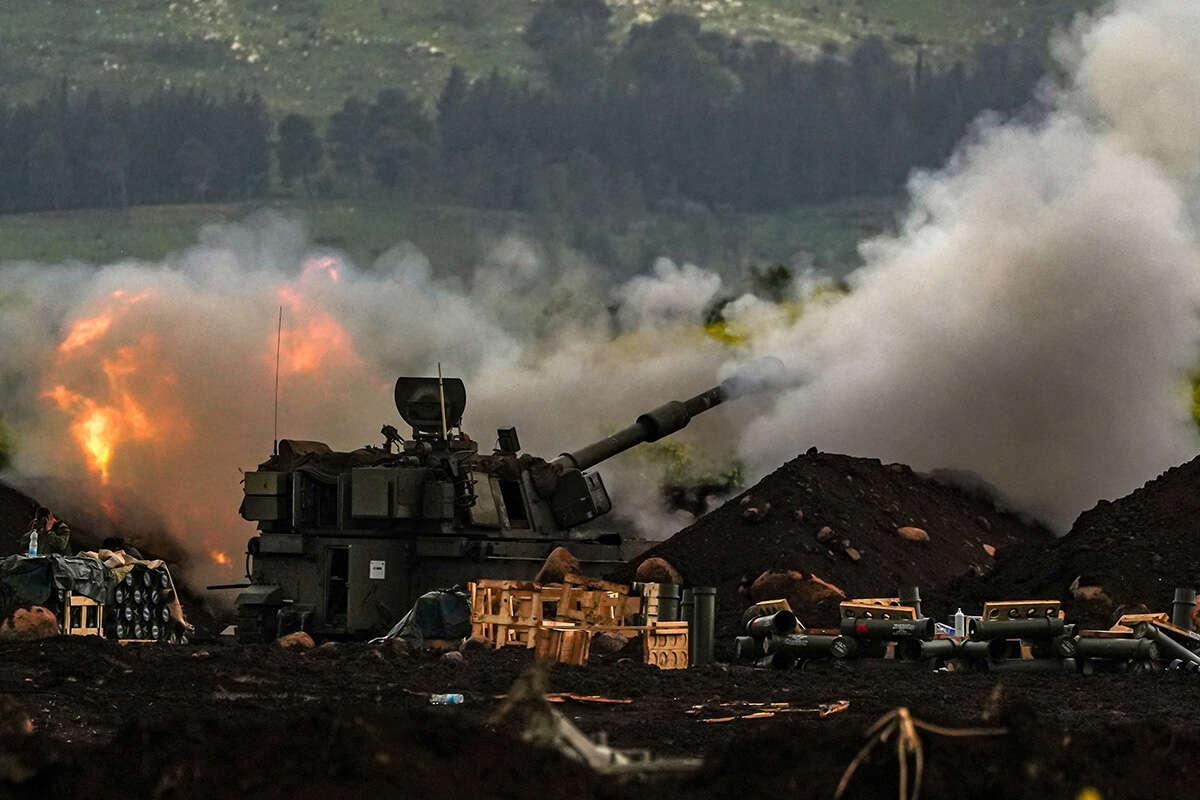
Trump Extends Israel-Hezbollah Ceasefire In Lebanon By Three Weeks
11 sources compared
Trump Announces Three-Week Israel-Lebanon Ceasefire Extension After Hezbollah Dismisses It As Meaningless
11 sources compared

Trump Says Israel And Lebanon Extend Israel-Hezbollah Ceasefire By Three Weeks
18 sources compared

Hezbollah Drone Attack Injures Israeli Reservist as Israel Strikes Southern Lebanon
11 sources compared