
London Heat Health Alert Extended Until Sunday As Temperatures Reach 35C In Northolt
Key Takeaways
- Amber heat health alert extended to Sunday across London and much of England.
- Temperatures around 34-35C in London area amid heatwave.
- London NHS faced pressure from heat with high A&E attendances and ambulance calls.
Heatwave strains services
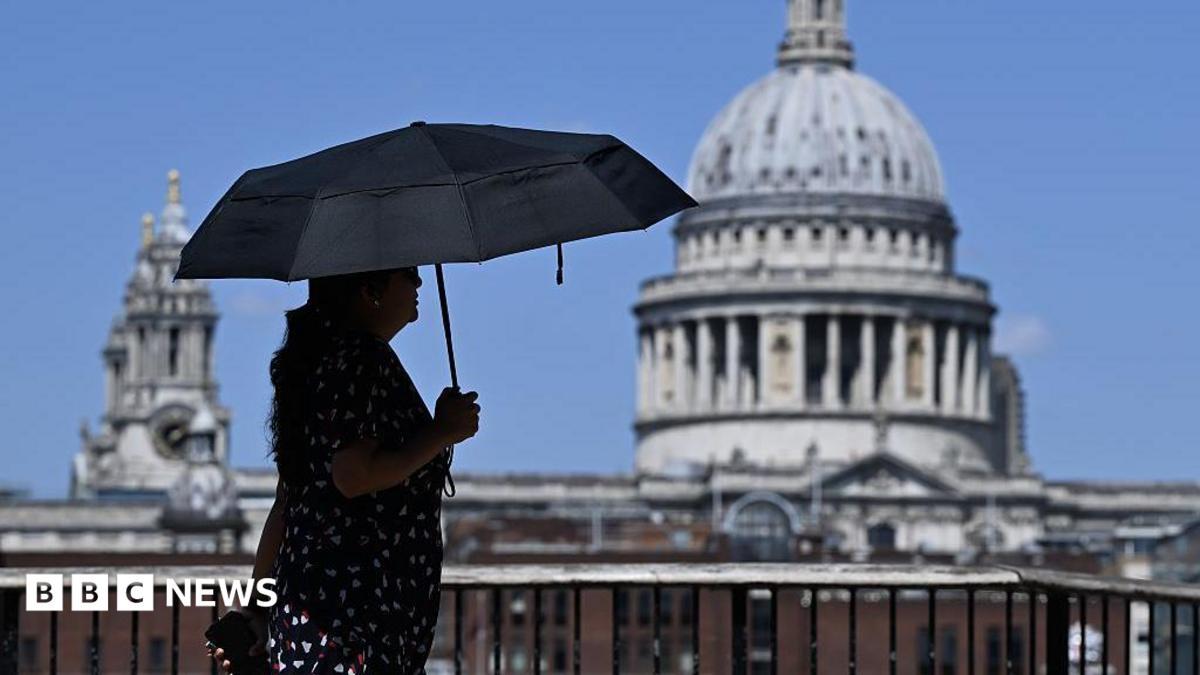
Health chiefs urged Londoners to take extra care as an amber heat health alert remained in place until Sunday and forecasters warned the prolonged hot weather was placing significant pressure on health and social care services.
“Health chiefs are urging Londoners to take extra care as another spell of extreme heat grips the capital”
New NHS figures published today showed there were 428,463 A&E attendances and 130,929 ambulance incidents across London in June, while temperatures reached 35C in Northolt on Thursday afternoon, according to the Met Office.

BBC Weather’s Tomasz Schafernaker told Radio 4’s Today programme people will be “melting” as temperatures soar, noting that London would see its “absolute peak” temperature on Thursday.
Dr Chris Streather, Regional Medical Director for the NHS in London, said: "Across May and June we saw a significant surge in demand, with over 16,000 more people attending A&E each month and more than 7,500 additional ambulance incidents compared to April".
The i Paper said forecasters warned temperatures in parts of the UK could reach 35°C this week, with Tuesday peaking at 32.4°C in Frittenden, Kent, and Monday seeing highs of 34°C in Teddington, south-west London.
Alerts, travel, and power
The BBC reported that published amber heat health alerts were extended to the north of England and now cover almost all of England, indicating that the heat is likely to have a significant impact on health services and cause possible travel disruption until 21:00 BST on Sunday.
It said Thursday’s high of 35.5C, recorded in Surrey, meant the UK marked a record-breaking eighth day this year in which temperatures reached or exceeded 34C, beating the seven days seen in 1976 and 2020.
Neso issued a request for more power to be made available, warning of "tight electricity margins" on Thursday evening, and the BBC said extreme heat can make energy processes less efficient and lead to a spike in electricity demand as people increase their use of air conditioning, freezers and fridges.
The i Paper said travel disruption could worsen as rails can buckle and overhead electric wires can sag and spark lineside fires, while steel rails can exceed 50°C when the air temperature is 30°C.
It added that East Midlands Railway told customers to try to travel before 12pm this week to avoid the highest temperatures, expect disruption on the network, and check for timetable changes before travelling.
Water use and safety risks
The i Paper reported that a hosepipe ban is to be implemented across Hampshire and the Isle of Wight from 10 July in response to the spiking temperatures, with Southern Water saying river levels were 25 per cent lower than expected for this time of year.
“Forecasters are warning that temperatures in parts of the UK could reach 35°C this week as southern parts of the UK continue to experience heatwave conditions”
It said the firm reported the River Test had lost a third of its water within the last month, while Thames Water, which serves about 16 million customers across London and the Thames Valley, said it had requested customers to refrain from using hosepipes during heatwaves.
Thames Water also revealed recent hot weather led to daily household water use increasing by an average of 30 per cent, and it said demand from Wednesday to Friday was consistently above 2,200 million litres a day in London.
The BBC said the Royal College of Paramedics advised drinking enough water, supporting those who may be vulnerable with access to cooling systems, and trying to stay out of the sun when the heat tends to peak from 12:00-16:00.
It also quoted station manager Gavin Murphy cautioning: "Warm weather does not mean warm water, and cold water can affect your breathing and swimming ability very quickly," while the National Fire Chiefs Council warned that the dry and hot weather posed an increased risk of wildfires.
More on Technology and Science

OpenAI Sunsets ChatGPT Atlas Browser, Pivots to ChatGPT Desktop App With ChatGPT Work
13 sources compared
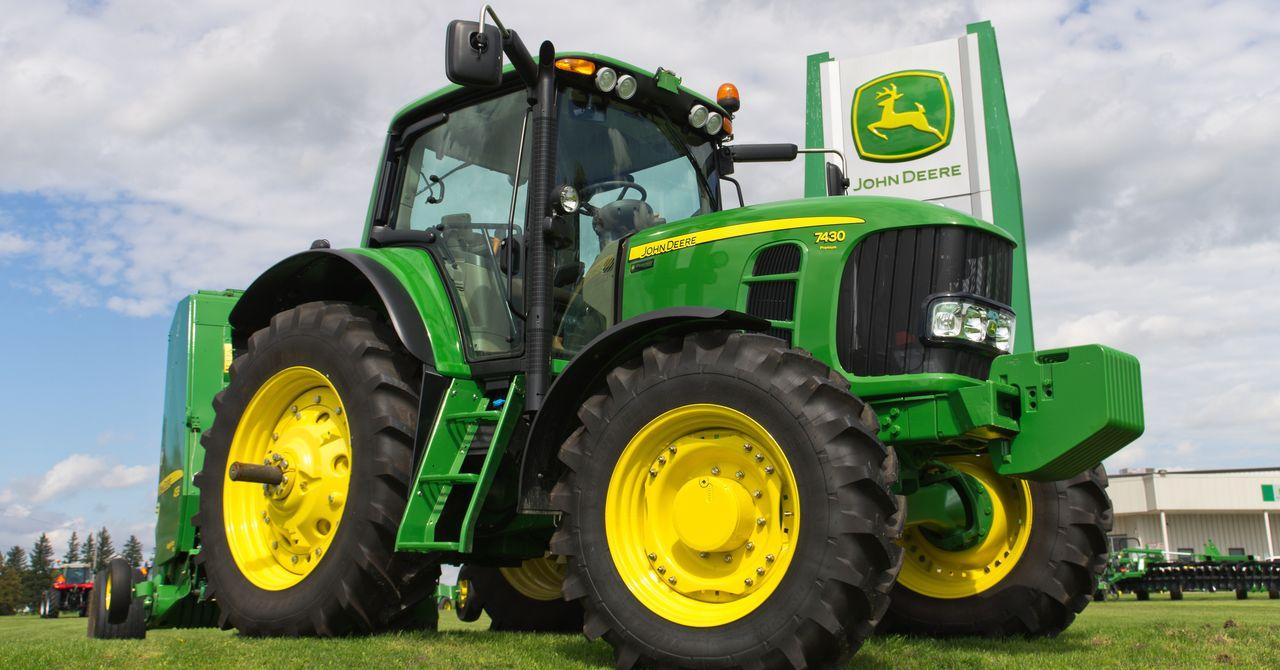
FTC And Five States Reach 10-Year Right-To-Repair Settlement With Deere & Company
10 sources compared

Microsoft Fixes 165 Vulnerabilities, Including Exploited SharePoint Zero-Day CVE-2026-32201
13 sources compared

Meta Disables Ray-Ban Meta Camera After Users Tamper With Capture LED
18 sources compared