Africa14 October, 20252 min read
Madagascar Military Seizes Power, Impeaches President After Mass Protests Force Him to Flee
This article is an automated aggregation of coverage from news outlets. Our editorials offer in-depth analysis curated by the NewsCord team.
Madagascar’s military, led by Colonel Michael Randrianirina, seized power after president fled. Parliament impeached President Andry Rajoelina amid weeks of youth-led protests over shortages.

47 outlets told this the same way.
Madagascar Military Takeover
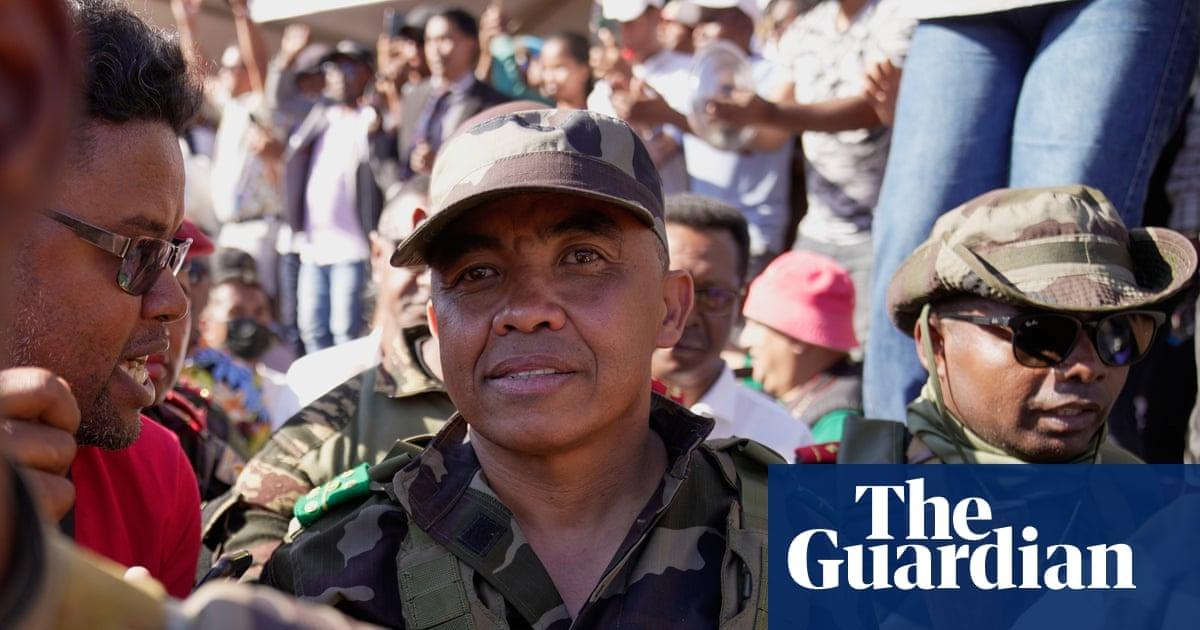
Madagascar’s armed forces seized power after weeks of youth-led protests over corruption and chronic power and water shortages. President Andry Rajoelina fled the country as impeachment efforts surged. Colonel Michael Randrianirina of the elite CAPSAT unit announced that the military had dissolved most state institutions but left the lower house of parliament intact.
“In Madagascar, the military seized power following weeks of protests led by Gen Z activists... The takeover occurred shortly after President Andry Rajoelina fled the country, fearing for his life...”
He said a temporary security and command committee would run the country before a civilian government is formed. The youth-driven mobilization was organized largely via social media and the army’s move echoed Rajoelina’s own 2009 rise amid a military-backed takeover. Public scenes in the capital were largely celebratory, even as uncertainty about next steps remains.
Political Crisis and Power Shift
A rapid constitutional struggle followed the street unrest. Lawmakers voted overwhelmingly to impeach Rajoelina. Meanwhile, the military suspended key institutions and asserted transitional authority.
Reports differ on the legal validation of these actions. Some sources note the High Constitutional Court’s role in confirming or even inviting the military’s assumption of power. In contrast, the presidency called the move an illegal coup and labeled the impeachment unconstitutional.

Specific details include claims of 130 votes out of 163 for impeachment. Statements also indicate that only the lower house remains active as the military promises a civilian handover.
Youth-Led Protests and Unrest
The uprising was led primarily by Gen Z activists and expanded from anger over water and electricity shortages to include grievances about poverty, corruption, and misrule. The unrest turned deadly, with the United Nations reporting a death toll of at least 22, which contrasts with the government's lower figure. Some parts of the security forces refused to fire on demonstrators.
“The protests, the largest in over 15 years, were organized primarily through social media platforms and were driven by young people fed up with ongoing hardships.”
CAPSAT's defection and calls for nonviolence shifted the momentum of the protests. The protests' social-media organization marked the largest mobilization in over 15 years.
Contested Reports on Rajoelina's Flight
Rajoelina’s flight and foreign involvement remain disputed. Multiple outlets report he departed on a French military plane. Some sources suggest France’s role or even confirm his presence on French soil.
Others claim he went elsewhere. Africanews reports he was evacuated on a French military plane. Global News and The Nightly say he left on a French military jet.

The Journal notes reports suggesting the French government may have helped him escape. By contrast, Morocco World News says sources place him in Dubai. AlBawaba reports that France confirmed he is on its soil but did not comment on the coup.
Military Transition Plans
Military leaders outlined competing transition paths. Several outlets say authorities plan a temporary council of officers and a prime minister to pave the way for a civilian government. Other reports describe a longer 'renovation' period of up to two years culminating in a constitutional referendum before elections.
“The military plans to form a council of officers and appoint a prime minister to quickly establish a civilian government...”
Some coverage also notes promises to include Gen Z voices in the transition. The messaging oscillates between a rapid handover and a two-year horizon, reflecting uncertainty about how—and how fast—power will shift back to civilians.
