Africa13 October, 20253 min read
Madagascar Soldiers Rebel and Force President Andry Rajoelina to Flee Country Amid Mass Protests
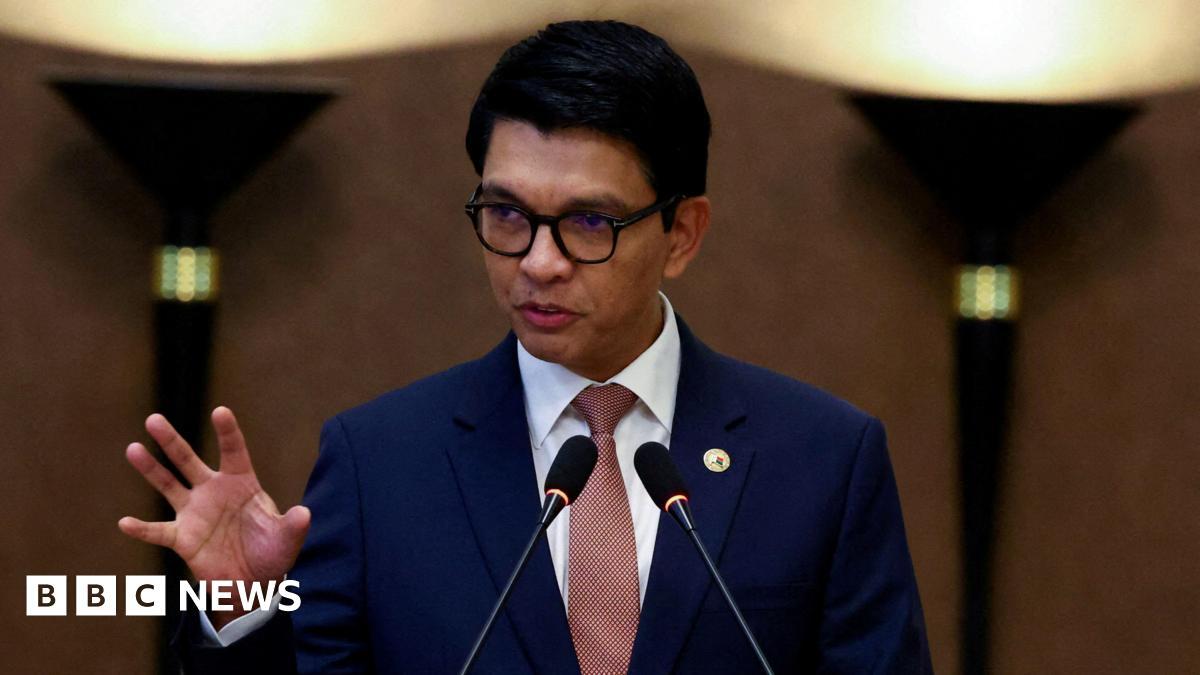
Elite military unit CAPSAT joined youth-led protests and claimed control over Madagascar’s armed forces. President Andry Rajoelina fled Madagascar amid escalating protests and a military rebellion.
82 outlets told this the same way.
Madagascar Youth Protests Overview
Madagascar has been rocked by three weeks of youth-led protests that began on September 25 over water and electricity outages.
“Madagascar has been engulfed in three weeks of intense unrest following protests that began on September 25 over water and electricity outages.”
The protests broadened into anger over poverty, high living costs, limited access to higher education, and alleged corruption.
United Nations figures say at least 22 people have been killed amid clashes and crackdowns, though authorities dispute the toll.
Curfews have been imposed across major cities, and the U.S. Embassy urged residents to shelter in place.
Reports describe the security forces’ heavy use of tear gas, including a tragic case of a newborn who died from smoke inhalation.
Parts of the military refused to shoot demonstrators.
The unrest has drawn international attention and warnings for calm as the situation remains volatile in Antananarivo and beyond.
Military Defection and Power Shift
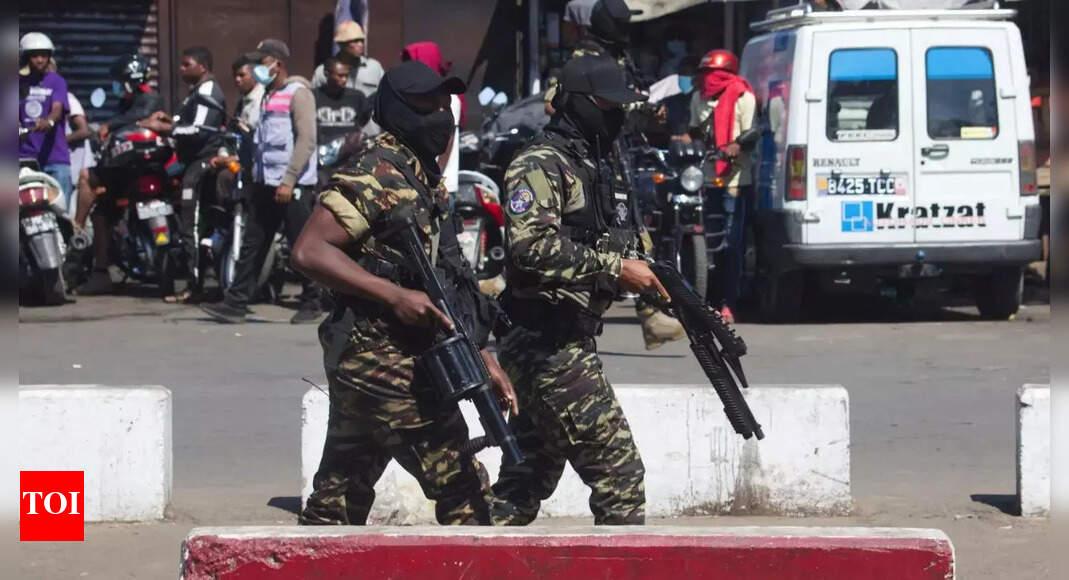
The turning point came when soldiers from CAPSAT—an elite unit that had backed Andry Rajoelina’s 2009 rise—defected, refused orders to fire on civilians, and declared they were assuming control of the armed forces.
CAPSAT appointed Gen. Demosthene Pikulas as army chief, with several outlets reporting the defense minister accepted the move, even as Rajoelina’s office condemned it as an illegal power grab.

Clashes between CAPSAT and gendarmes left at least one soldier dead, but most sources describe limited street fighting as crowds in Antananarivo cheered soldiers who joined them and urged security forces not to shoot.
Rajoelina's Whereabouts and Reports
Amid the defections, Rajoelina’s whereabouts became a focal dispute. Several outlets report he fled Madagascar on a French military plane, while others insist he is still in the country.
“President Rajoelina has fled the country following military unrest and defections within loyal army units. He confirmed his relocation to a safe place via a Facebook live address...”
Some say he addressed the nation from a safe location and refused to resign. Reports also diverge on France’s role, with claims of an evacuation deal involving President Emmanuel Macron countered by official denials and non-confirmations from French authorities.
Political Crisis and Responses
While denouncing an "illegal" push to oust him, Rajoelina called for dialogue and constitutional order as the government imposed curfews and shuffled leadership. Some outlets report he left "to protect his life" but did not resign, as allies and former officials fled to Mauritius—whose authorities voiced displeasure.
Others highlight institutional maneuvering and uncertainty: claims that parliament actors or military appointees are assuming roles, talk of impeachment for "abandonment of post," and even the airline suspension of flights to the country. Internationally, the UN condemned violence and the African Union urged calm, while France avoided confirming any evacuation role.

Youth-Led Political Protests
Broader narratives describe the movement as a largely leaderless, Gen Z–driven uprising with specific political demands and global influences. Protesters call for Rajoelina’s resignation, an apology for violence against civilians, and the dissolution of the Senate and electoral commission. Some groups have been inspired by youth mobilizations in Kenya and Nepal, with cultural symbols like manga imagery appearing.
“The largely leaderless youth group Gen Z Madagascar is driving the protests... which have resulted in at least 22 deaths according to the UN, though the president disputes this.”
Certain outlets frame the crisis as rooted in authoritarianism and election manipulation. A few alternative sources go further, claiming a Gen Z-linked overthrow and naming an interim leader, though these claims are not confirmed by mainstream coverage. Church leaders, opposition figures including former president Marc Ravalomanana, and parts of the security forces have expressed support for the protesters.
