Africa12 October, 20252 min read
Madagascar’s CAPSAT Military Unit Seizes Control of Army in Coup Attempt Against President Rajoelina
CAPSAT military unit declared control over all Madagascar armed forces on Sunday. CAPSAT troops joined youth-led 'Gen Z Madagascar' protests demanding President Rajoelina's resignation.

50 outlets told this the same way.
Madagascar Military and Protests
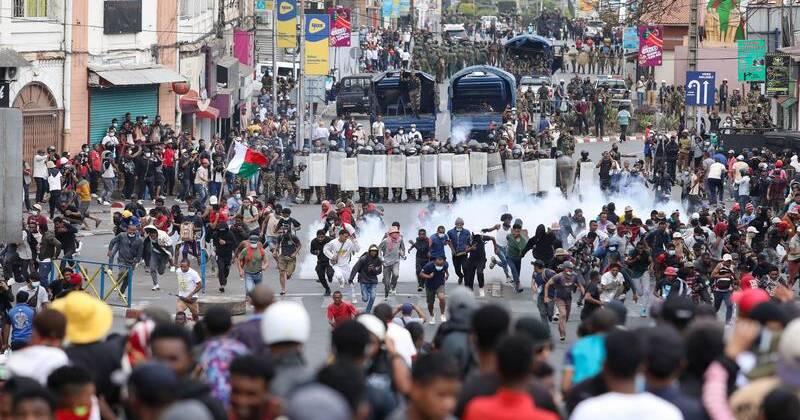
Soldiers from Madagascar’s elite CAPSAT unit publicly declared they were taking control of the army amid weeks of youth-led protests. They refused to fire on demonstrators and joined crowds in Antananarivo. Multiple outlets report CAPSAT’s claim that military orders would be issued from its command.
“Soldiers from Madagascar’s elite Capsat military unit, which helped bring President Andry Rajoelina to power in a 2009 coup, have announced they are taking control of the army amid ongoing youth-led protests.”
The protests began on September 25 over power and water shortages and expanded into broader demands for President Andry Rajoelina’s resignation. The UN has recorded at least 22 deaths since the unrest began, a figure the president disputes.
Rajoelina has condemned the move as an illegal attempt to seize power. Several sources note that CAPSAT previously helped bring Rajoelina to power in 2009, underscoring the gravity of the current challenge to his rule.
Disputed Military Leadership
Power and command claims quickly became contested. CAPSAT named General Demosthene Pikulas as head of the army, with some reports noting a ceremony attended by the armed forces minister and others stressing that the appointment’s legality is unclear. DW further reports the government itself appointed Pikulas, even as CAPSAT insisted all orders would come from its base.
Confusion deepened as eNCA reported that, according to CAPSAT statements, all orders would now come from gendarmerie headquarters. Multiple outlets described parts of the gendarmerie breaking ranks and coordinating with CAPSAT.

Madagascar Protest Movement Overview
The protest movement, led by the loosely organized Gen Z Madagascar, has expanded from addressing outages to demanding reform and accountability. The movement has attracted support from civic groups and trade unions, leading to the implementation of curfews. Media coverage varies, with some reports focusing on youth inspirations abroad and grassroots organization.
“The protests are largely driven by a leaderless youth group called Gen Z Madagascar, inspired by similar movements in Indonesia and Nepal.”
Other reports emphasize violence and disputed casualty figures. Several outlets also highlight security force abuses and the death of a soldier during clashes. These events have further fueled public anger and concerns about potential escalation.
Responses to Political Uncertainty
International and domestic responses reflect uncertainty and appeals for restraint. The US embassy advised people to shelter in place as the African Union and regional actors urged calm.
Some outlets said Rajoelina’s whereabouts were unclear, even as others reported the government insists he remains in the country and in control. Meanwhile, official military leadership’s silence in some reports contrasts with accounts of government moves and CAPSAT declarations, underscoring an unsettled command picture.

Political Crisis and Military Unrest
The crisis is unfolding against a history of coups and instability. CAPSAT helped bring Rajoelina to power in 2009. Many outlets now describe the moment as an 'attempted coup' or 'attempted power grab.'
“President Andry Rajoelina announced an attempted coup amid ongoing nationwide protests led by a youth group called ‘Gen Z Madagascar.’”
Others go further, with one outlet asserting a full military coup and a new de facto regime. Unique local details, such as the Senate dismissing its president, show how the turmoil is rippling across institutions. Even within the military, some voices question whether the situation qualifies as a coup.
