Full story
Kumamoto quake toll rises
A magnitude 7.1 earthquake struck Kumamoto Prefecture in Japan’s Kyushu island, and the death toll rose to 34 people as of 2 p.m. on July 30, according to Kumamoto Prefecture.
““As of 2 p.m., a total of 34 people have died”
The quake also triggered an explosion at Aeon Mall and a chimney collapse at a Nippon Paper Yatsushiro Plant, with the Aeon Mall explosion killing 7 people and the chimney collapse killing 8 people, while 1 person remained missing at the paper plant.
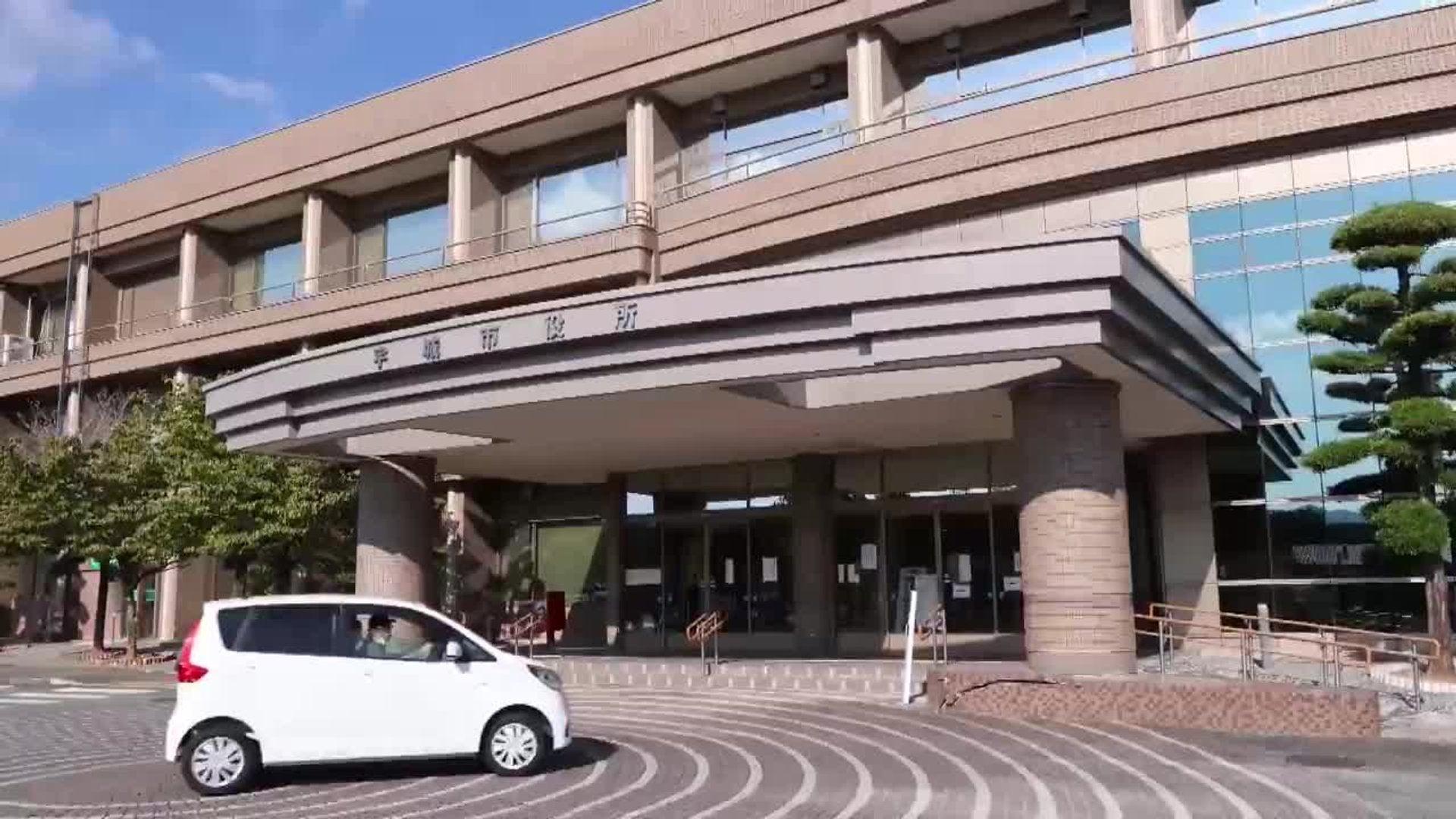
CBS News said the death toll climbed to at least 34 as hopes waned for more rescues, after the figure nearly doubled from Wednesday’s level.
The Watchers reported that the earthquake struck at 16:27 JST on July 28, reached a maximum Japan Meteorological Agency seismic intensity of 7 in Uki City and Hikawa Town, and that a tsunami advisory was issued for the Ariake and Yatsushiro Seas two minutes later before being lifted at 18:10 JST.
Heat, aftershocks, and rescue
As rescuers continued searching through extreme heat, the BBC reported temperatures could reach 39C in Kumamoto in the coming days and said officials urged survivors and rescuers to take precautions against heatstroke.
The BBC also quoted defence minister Shinjiro Koizumi’s announcement that 300 air conditioners would be delivered to Kumamoto, with 150 bound for evacuation centres.

In Hikawa, CBS News described residents without water or electricity or both, with some staying in vehicles and others moving to three public schools where air conditioning was running.
The BBC said the president of Aeon told reporters it was "very likely" a gas explosion, while the cause of the blast remained under investigation, and it added that more than 100 aftershocks had been recorded since the initial quake.
What comes next
Prime Minister Sanae Takaichi said the central government would take a lead role in coordinating rescue efforts, and CBS News reported she said restoring electricity, gas and water while supplying fresh water was key.
“Restoring electricity, gas and water to stricken areas”
The BBC reported that around 9,000 displaced residents were put up in evacuation centres and that more than 30,000 households were out of power as of Wednesday, while it also described a centre hosting about 1,000 people where heatstroke was the biggest concern.
UPI said more than 267,000 people were evacuated from their homes amid a massive ongoing search and rescue operation involving more than 1,400 personnel, with air units from neighboring metropolitan areas including Fukuoka and Nagasaki.
The Watchers added that Kumamoto Prefecture had issued emergency safety measures covering 46 610 households (92 743 people) and evacuation orders affecting 127 647 households, or approximately 267 285 people, as rescue teams continued to save people and transport others to safety.