
Majid Mousavi Says Iran Replenishes Missile And Drone Launchers Faster During Ceasefire
Key Takeaways
- IRGC says missile and drone launchers replenished faster during ceasefire than before the war.
- Majid Mousavi shared Nournews interview and video supporting faster replenishment claims.
- Coverage spans Middle East Eye, Times of Israel, PressTV reporting the replenishment claim.
Ceasefire, Faster Rebuilding
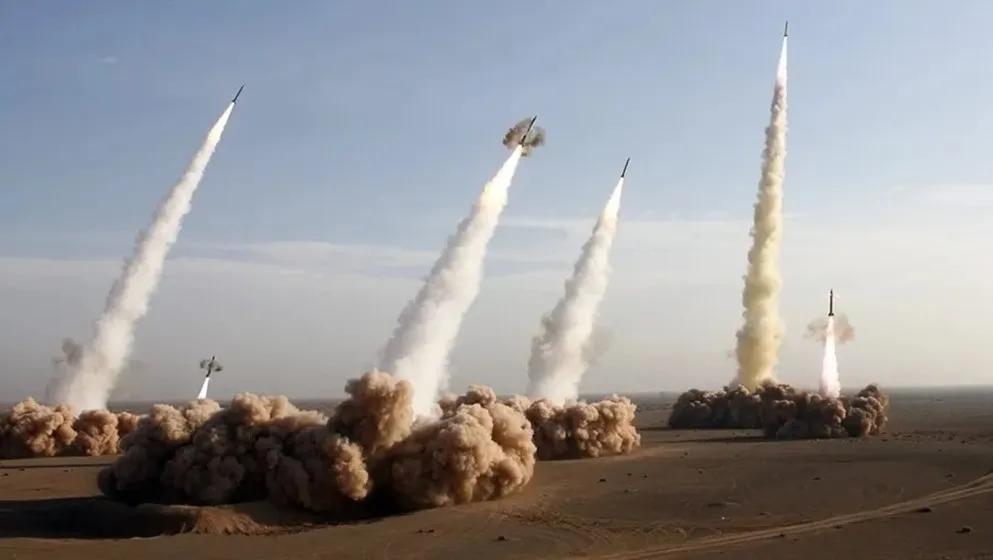
Iran’s Revolutionary Guards Aerospace Force commander Majid Mousavi said Iran is replenishing missile and drone launchers faster than before the war, describing the pace during the two-week ceasefire as outpacing pre-war levels.
Mousavi shared a video on social media platform UpScrolled showing replacement of missile and drone launchers, and accompanied it with a message stating that Iran’s “speed in updating and reloading missile and drone launchers have surpassed even its pre-war pace.”
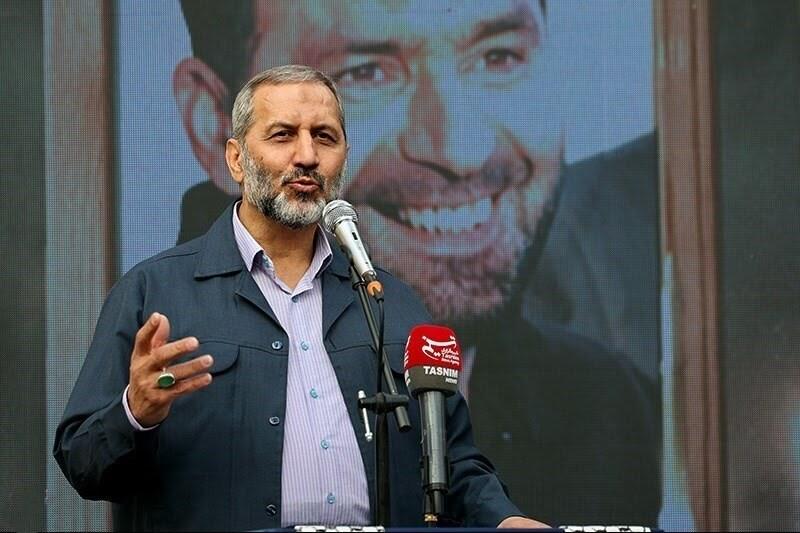
PressTV said Mousavi told viewers that since the ceasefire began on April 11, the United States has had to “to bring in ammunition from the other side of the world in a trickle.”
Mousavi also said, “We are aware that the enemy is incapable of creating such conditions for themselves during the ceasefire,” and he framed the effort as a response to the broader conflict.
Multiple outlets repeated Mousavi’s claim that Iran’s updating and replenishing is “even greater than before the war,” including a Nournews-quoted version carried by Fakti.bg and Middle East Eye.
The Times of Israel reported that Reuters was unable to verify the legitimacy of the footage Mousavi shared, while The Jerusalem Post similarly said it could not verify the footage’s legitimacy.
Hormuz Closure and Claims
The ceasefire and the Strait of Hormuz closure became central to the competing narratives about who was complying and who was not.
PressTV said the IRGC declared the Strait of Hormuz closed again on Saturday due to US violations of a ceasefire, and it added that the IRGC reiterated that a continued naval blockade on Iranian ports amounts to piracy.

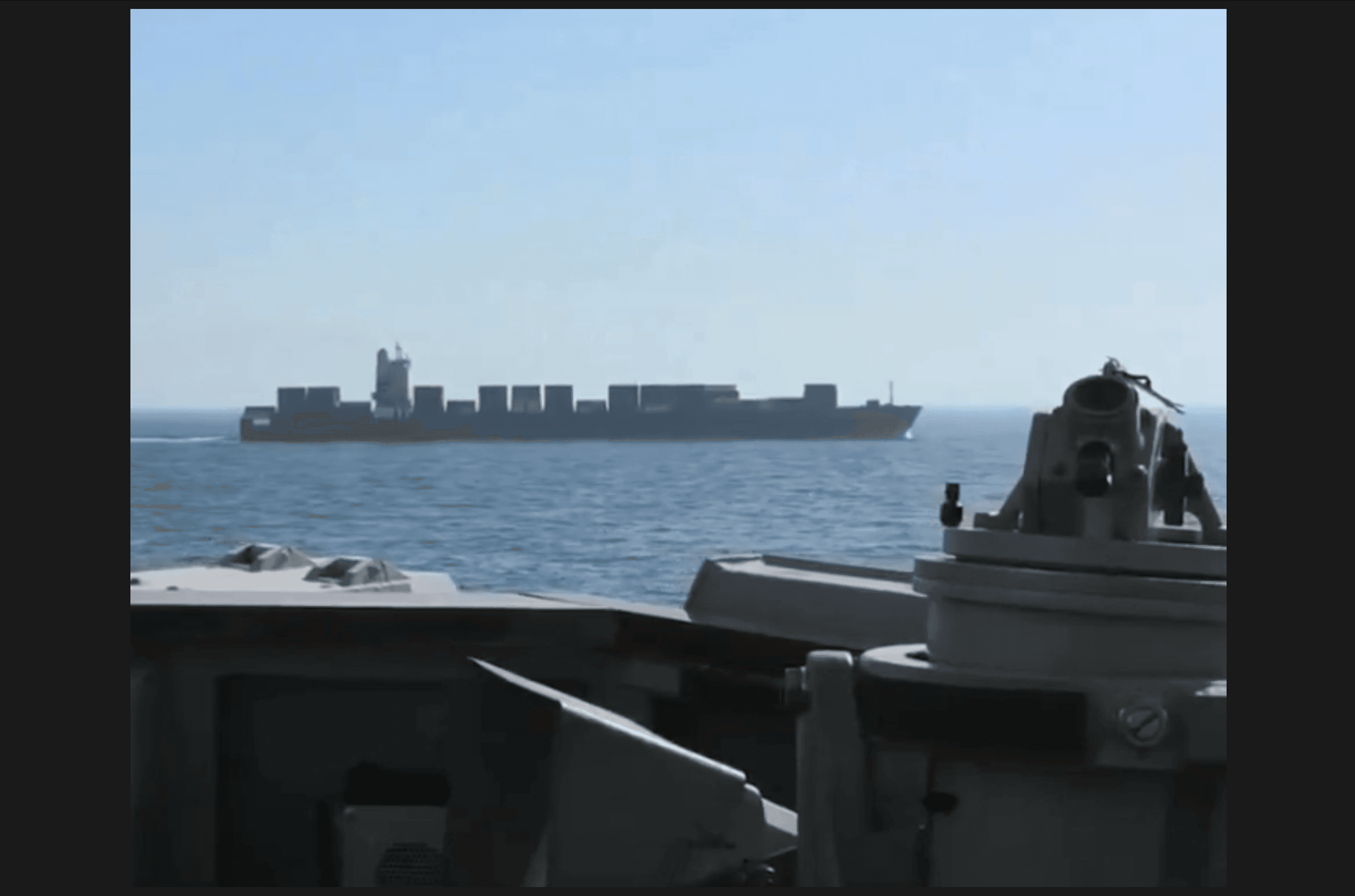
In parallel, Express Tribune reported that President Donald Trump alleged Iran fired shots a day earlier, describing the action as a violation of the ceasefire agreement, and Trump claimed several shots were directed at a French vessel and a freighter from the United Kingdom.
Express Tribune also said Trump called Iran’s announcement of closure of the Strait “strange” and asserted that a blockade had already rendered it closed, while Trump said the closed passage costs “$500 million a day.”
Mousavi’s remarks, as carried by PressTV, also referenced the Strait of Hormuz and claimed Iran had “lost this phase of the war,” adding, “They have lost the Strait, they have lost Lebanon, and they have lost the entire region.”
Fakti.bg, meanwhile, stated that the two-week ceasefire was brokered by Pakistan on April 8 to allow talks to open the Strait of Hormuz, and it said that on April 19 Trump accused Iran of violating the agreement by re-blocking the strait.
Negotiations and Competing Threats
As the ceasefire period unfolded, the sources described a fast-moving diplomatic track alongside sharp warnings from both sides.
Express Tribune quoted President Donald Trump saying, “My representatives are going to Islamabad, Pakistan — they will be there tomorrow evening, for negotiations,” and it said Trump alleged Iran violated the ceasefire by firing shots a day earlier.
Trump told Express Tribune that Washington was offering what he described as a “very fair and reasonable deal” to Tehran, and he warned that failure to accept the proposal could bring severe consequences.
In the same account, Trump said, “We’re offering a very fair and reasonable deal, and I hope they take it because, if they don’t, the United States is going to knock out every single power plant, and every single bridge, in Iran,” and he added that it would be his “honour to do what has to be done.”
Express Tribune also reported that Iranian President Masoud Pezeshkian said Trump had no justification to deprive Iran of its nuclear rights, quoting Pezeshkian: “Trump says Iran cannot make use of its nuclear rights, but doesn't say for what crime. Who is he to deprive a nation of its rights?”
The Express Tribune account also described confusion over US Vice President JD Vance’s role, saying a White House official told Anadolu that Vance would travel to Pakistan for Iran negotiations, while ABC News, Axios, and US Energy Secretary Chris Wright separately reported Vance would lead the delegation.
Job Loss Estimates and Internet
Beyond missiles and negotiations, Iran’s internal economic and social pressures were described in the sources, including estimates of job losses and the impact of an internet shutdown.
Iran International reported that Gholamhossein Mohammadi, a deputy labor minister and head of Iran’s Technical and Vocational Training Organization, said initial estimates showed the war had wiped out more than one million jobs and caused the direct or indirect unemployment of two million people.
The same Iran International account said Iran’s internet shutdown, now stretching beyond eight weeks, had cut off income and work for millions of Iranians both directly and indirectly.
It also tied the wider conflict to the Strait of Hormuz as a “major pressure point for the global economy,” and it said traffic through the strait had widened the war’s pressure on commerce.
Iran International described a temporary ceasefire first announced with Pakistani mediation and then rare direct talks between the United States and Iran in Islamabad.
It said the talks held in Islamabad on April 11-12 lasted more than 20 hours and ended without an immediate agreement, while the channel remained open and efforts to prepare a second round continued.
Verification Gaps and US Claims
Several sources highlighted uncertainty and disagreement over what could be verified, while also contrasting Iranian claims with US assessments.
“Iran is updating and replenishing its missiles and drone launchers at a higher rate than it did before the war with the US and Israel, an Iranian Revolutionary Guards Aerospace Force commander claimed on Sunday”
The Times of Israel said Iran’s statement was shared alongside an edited video of Majid Mousavi inspecting an unspecified underground missile facility, and it added that Reuters was unable to verify the legitimacy of the footage.
The Jerusalem Post similarly said it could not verify the legitimacy of the footage, while it repeated Mousavi’s claim that “Unlike Iran, the enemy has been unable to replenish its ammunition during the ceasefire.”
PressTV, in contrast, cited a Wall Street Journal report that relied on US intelligence assessments, saying Tehran’s ability to sustain its missile capability relies on “a vast network of reinforced underground storage areas” that have largely shielded mobile launchers from weeks of bombing.
PressTV also reported the WSJ claim that Iran still possesses “thousands of medium- and short-range ballistic missiles that could be pulled out of hiding or retrieved from underground sites.”
Fakti.bg went further with specific percentages, saying US intelligence sources confirmed that since the ceasefire began on April 8, Iran managed to remove more than 100 new launchers from underground tunnels and bunkers not affected by strikes.
More on Iran
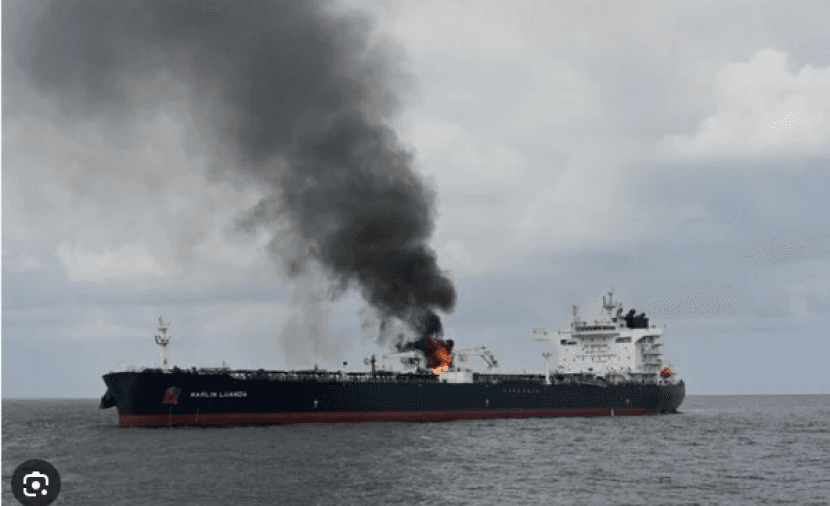
Iran’s IRGC Warns It Will Target Any Ship Approaching Strait of Hormuz
13 sources compared
Donald Trump Says U.S. Marines Boarded Iranian-Flagged Touska After USS Spruance Fired
11 sources compared
Ebrahim Azizi Says Iran Will Decide Right of Passage Through Strait of Hormuz
12 sources compared
Iranian National Shamim Mafi Arrested at LAX for Arms Trafficking to Sudan for Iranian Government
10 sources compared