USA15 October, 20263 min read
Marco Rubio Arrives In Samarkand For C5+1 Talks With Uzbekistan, Kazakhstan, Tajikistan, Turkmenistan, Kyrgyzstan
This article is an automated aggregation of coverage from news outlets. Our editorials offer in-depth analysis curated by the NewsCord team.
Rubio arrives in Samarkand for C5+1 ministerial talks with five Central Asian states. Ministerial meeting in Samarkand, October 17–20, to expand Washington's regional presence.
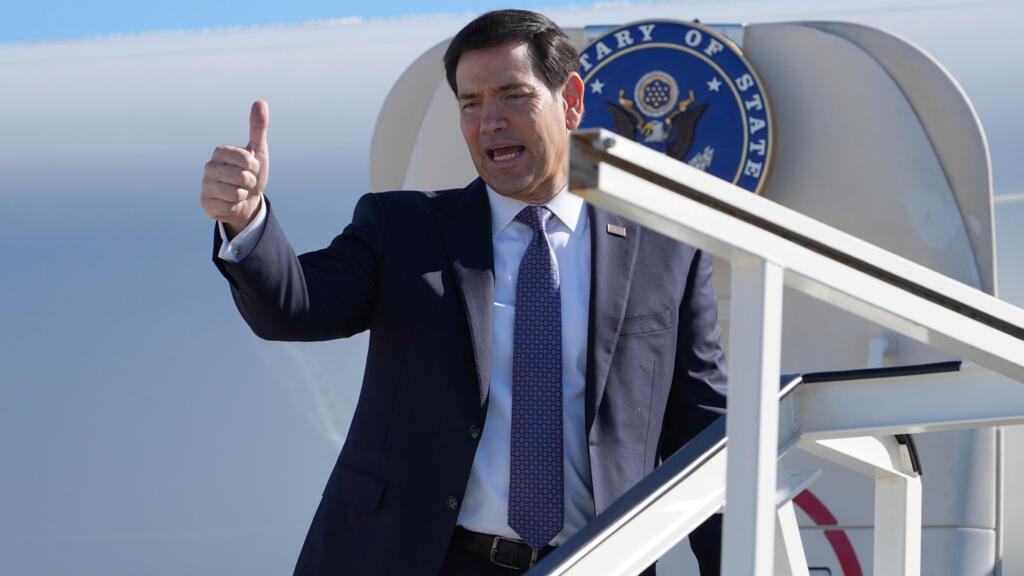
Rubio heads to Samarkand
U.S. Secretary of State Marco Rubio is arriving in Samarkand, the fabled Silk Road city in what is now central Uzbekistan, for talks with key regional ministers on Saturday under the C5+1 summit held from Saturday to Tuesday.
Rubio will participate in the C5+1 ministerial format meeting and will also hold bilateral meetings with senior officials from the five C5 group countries: Uzbekistan, Kazakhstan, Tajikistan, Turkmenistan and the Kyrgyz Republic.

Rubio will attend an October 17-20 ministerial meeting in Samarkand under the C5+1 format, bringing together the United States and Kazakhstan, Kyrgyzstan, Tajikistan, Turkmenistan, and Uzbekistan.
Rubio will lead a U.S. delegation of more than 200 business leaders, launching a new era of greater commercial cooperation between the United States and Central Asia.
The State Department set the visit amid U.S. interest in Central Asia’s critical minerals, energy resources, and transport corridors as regional governments seek to diversify partnerships and reduce dependence on traditional powers.
Transactional diplomacy and analysts
Washington’s approach is pragmatic, purely transactional and devoid of speeches about democratisation and human rights, and regional expert Galiya Ibragimova said, “When the West began moralising, teaching them about democracy, human rights, they immediately turned towards China or Russia.”
Ibragimova also said, “Under Trump, the American policy in Central Asia is all about ‘just business and nothing more’, without being nosy about human rights, reforms. They are content with everything.”
Ken Moriyasu, a senior fellow at the Hudson Institute, said, “There is unprecedented engagement between the US and Central Asian countries, and this trip, would be the first step toward even more, such as a presidential visit,” and Ariel Cohen said, “The Trump administration is very much focused on its interests, on America's interests, and on the global competition with China.”
The planned delegation of more than 200 business leaders underscores the administration’s emphasis on commercial diplomacy, and Washington hopes closer engagement will translate into investment and business agreements across a range of sectors.
Republican Senator Steve Daines told RFE/RL that the U.S. must continue expanding partnerships by removing the outdated, Soviet-era Jackson-Vanik trade restrictions.
Trade, transport, and next steps
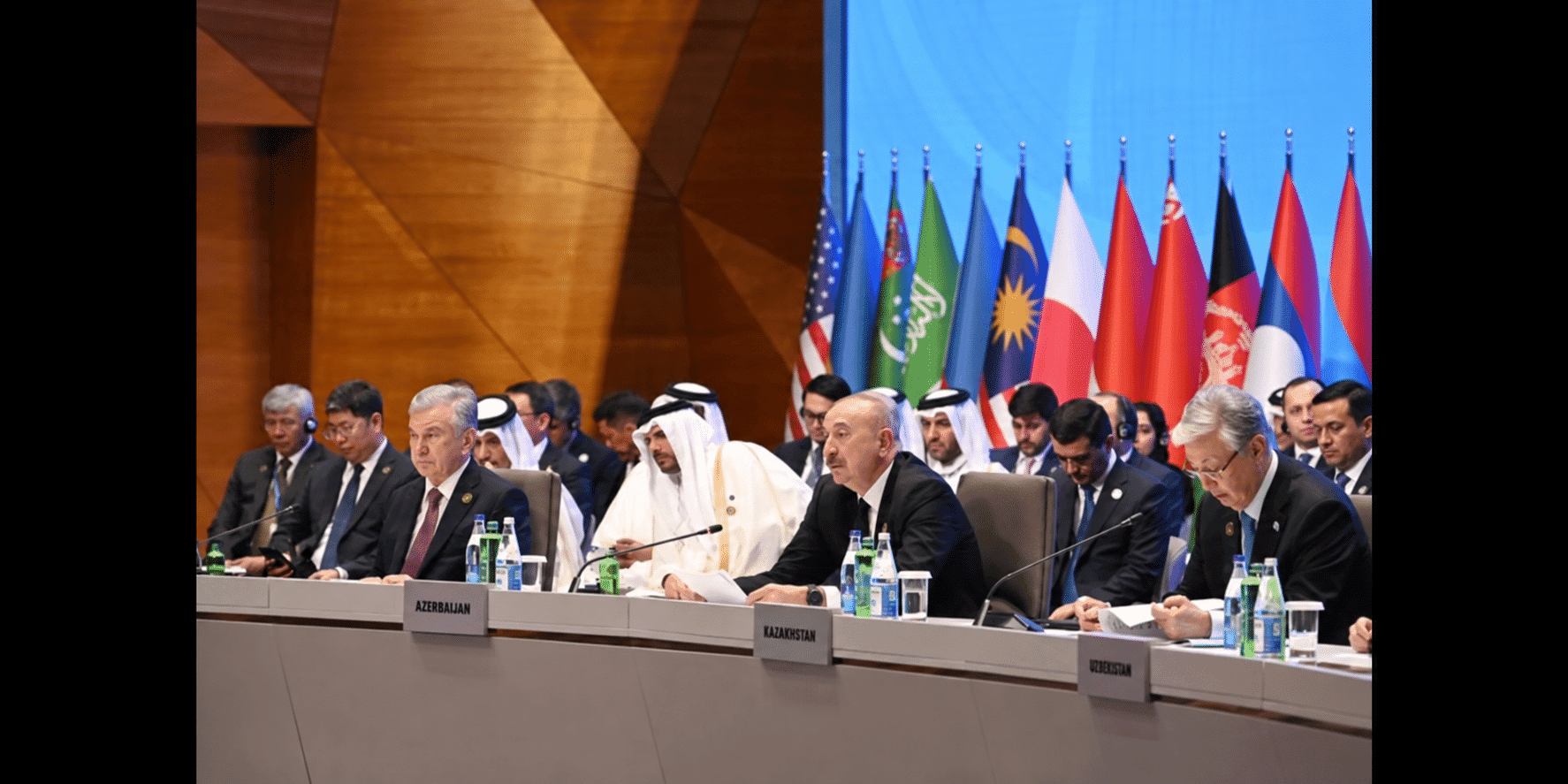
U.S. interest in Central Asia’s critical minerals, energy resources, and transport corridors is growing, and Central Asia’s strategic value lies in its location between China, Russia, South Asia, and Europe. Kazakhstan proposed a common transport strategy for Asia at a summit in Baku, where Central Asian leaders called for closer economic and technological cooperation, and the leaders of Kazakhstan, Kyrgyzstan, and Uzbekistan presented their initiatives on October 15 at the seventh summit of the Conference on Interaction and Confidence Building Measures in Asia (CICA). President Kassym-Jomart Tokayev called for the development of a CICA Transport Connectivity Strategy that would examine the potential of China’s Belt and Road Initiative, the International North–South Transport Corridor, the Trans-Caspian International Transport Route, also known as the Middle Corridor, and the Trump Route for International Peace and Prosperity.
The summit adopted the Baku Declaration and admitted Laos as CICA’s 29th member, and the transport proposals came a week after regional leaders agreed to prioritize East–West and North–South transport routes at an October 8 meeting in Avaza, Turkmenistan. Alisher Ilkhamov, head of the London-based Central Asia Due Diligence think tank, said Washington’s interest is mostly geopolitical and military-strategic and that “In the future, Washington apparently wants to have a military base here as a deterrent measure against China,” he said.