USA01 June, 20262 min read
Marco Rubio Designates PCC and Comando Vermelho as Foreign Terrorist Organizations Effective June 5
This article is an automated aggregation of coverage from news outlets. Our editorials offer in-depth analysis curated by the NewsCord team.
U.S. designates CV and PCC as Foreign Terrorist Organizations, effective June 5, 2026. They are Brazil's two largest criminal organizations.
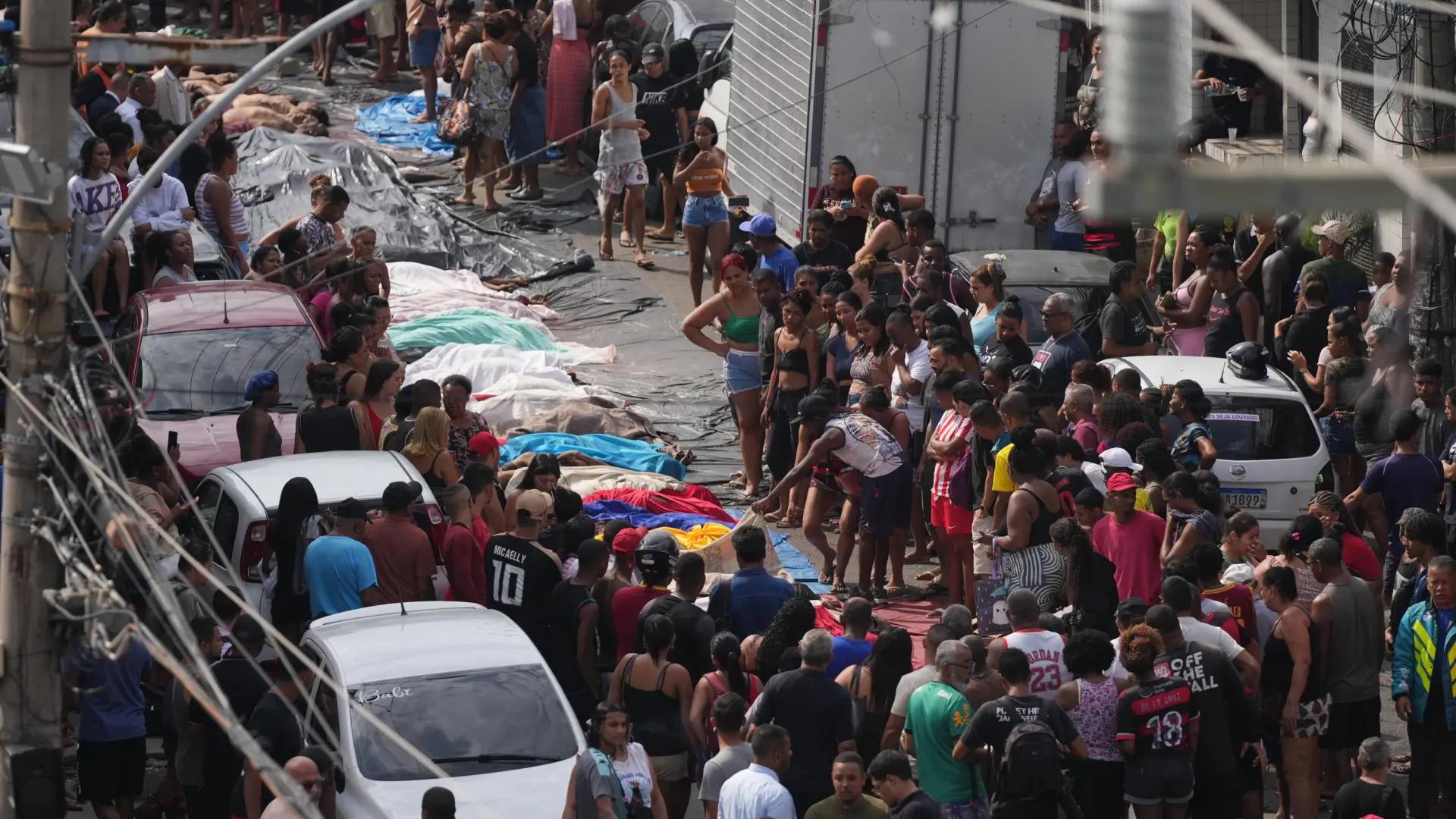
%2Fhttps%3A%2F%2Fi.s3.glbimg.com%2Fv1%2FAUTH_63b422c2caee4269b8b34177e8876b93%2Finternal_photos%2Fbs%2F2026%2Fi%2Fu%2FWSLRq5SNu57Sh62xoEzA%2Ffoto01esp-101-zuniga-a16.jpg&w=1920&q=75)
FTO Designation Effective June 5
The U.S. State Department announced that it will designate the Primeiro Comando da Capital (PCC) and the Comando Vermelho (CV) as foreign terrorist organizations, with the designation effective “a partir del 5 de junio.”
U.S. Secretary of State Marco Rubio said in a statement that the two gangs “serán considerados organizaciones terroristas extranjeras a partir del 5 de junio,” and the measure is intended to obstruct their ability to conduct financial transactions by treating them as a threat to U.S. citizens.
The decision was announced “24 horas después de una visita a Washington del senador Flávio Bolsonaro,” who had advocated for the designation during his time in Washington.
AP reported that Brazil’s government said it would interpret the move as “una injerencia indebida en su política,” and it noted that Lula had not yet commented on the Thursday announcement.
Rubio, Amorim, and Bolsonaro
Rubio framed the gangs as a regional threat, saying, “El CV y el PCC son dos de las organizaciones criminales más violentas de Brasil,” and he added that their influence and illicit networks extend “hasta nuestro país”. Brazil’s special adviser for international affairs and ex-foreign minister Celso Amorim rejected the move as a sovereignty violation, saying the “pretexto para la intervención es inaceptable.”
The AP account tied the announcement to Flávio Bolsonaro’s engagement in Washington, quoting Bolsonaro as saying, “Lula estaba arrodillado ante Trump para cabildear por el CV y el PCC, y yo estaba allí con el fin de trabajar para que puedan ser tratados como terroristas.” Reuters, as cited by The Straits Times, said Brazil’s government was preparing operations targeting organized crime in online betting and tobacco sectors, and that the plan would “not change after the United States decided to designate the country’s two biggest gangs as terrorist organizations.”
Compliance, Elections, and Next Steps
A former State Department official, Ricardo Zúñiga, warned in an interview with Valor that the designation could raise compliance costs for Brazilian firms, stressing that “The possibility of that happening is close to zero.” Zúñiga said the primary effects were “probably legal and financial,” and he described how companies could face higher risks if they maintain business ties with customers, suppliers, or financial partners connected to the PCC or CV.
The political stakes in Brazil were highlighted by the Reuters-linked reporting in The Straits Times, which said the betting and tobacco operations were aimed at choking off criminal organizations financially and that they could take place “at any moment.” In the AP account, Lula’s opposition to labeling criminals as terrorists was tied to the risk of “una injerencia para favorecer a su rival electoral,” while the AP also reported that the designation was set against an October election backdrop.