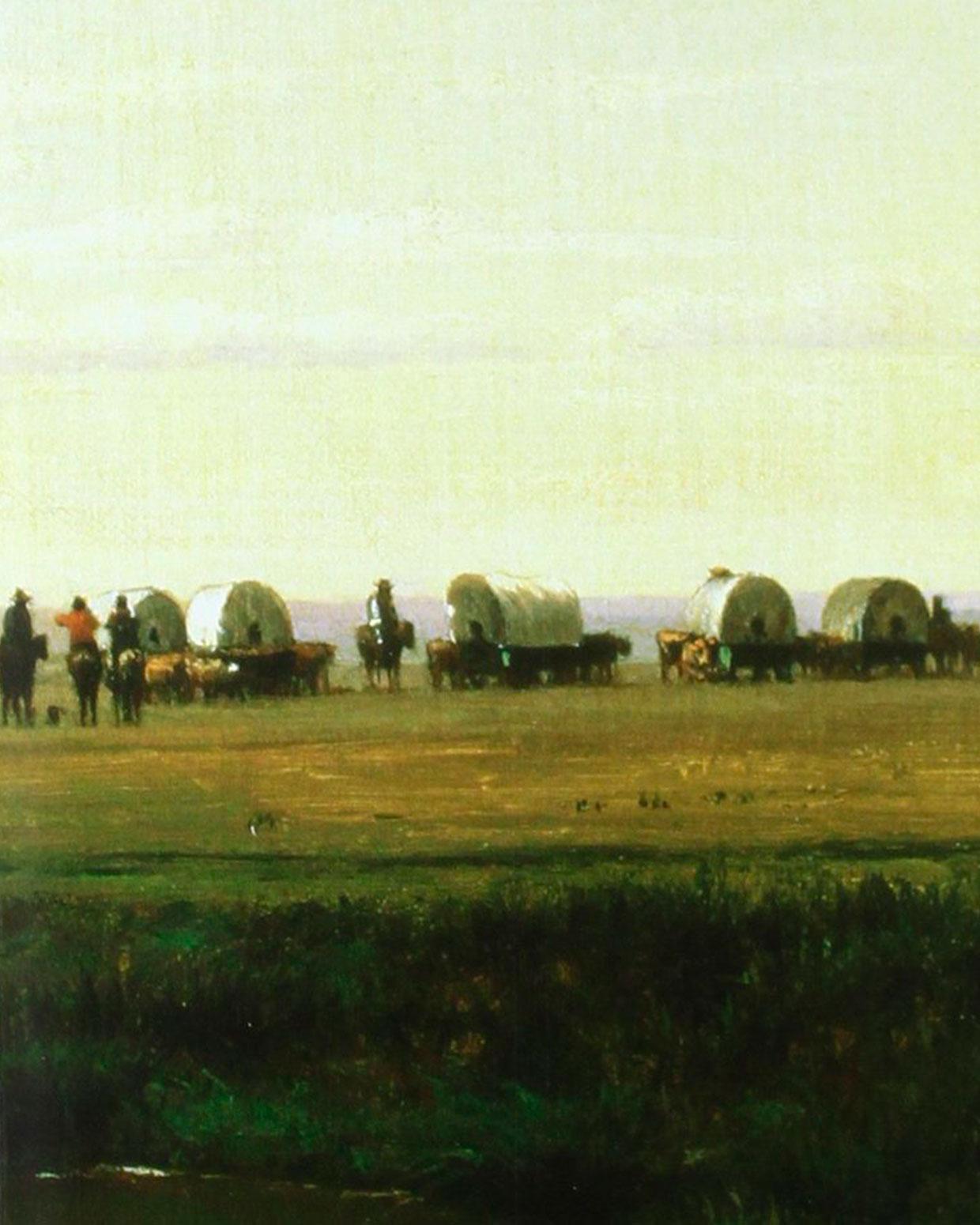
Marshall Project Syllabus Traces U.S. Justice System From Public Flogging to Solitary Punishment
Key Takeaways
- The Marshall Project presents a 250-year U.S. justice-system syllabus.
- The arc moves from public flogging to modern surveillance in punishment.
- Reading list relies on curated foundational works rather than ranking.
250 Years, Justice System
The Marshall Project’s newsletter frames the first 250 years of the U.S. justice system as a syllabus, beginning with Lawrence M. Friedman’s “Crime and Punishment in American History” and its line that the subject “has to be approached with a certain amount of fear and trembling.”
“The United States of America’s history is full of violence”
It says Benjamin Rush’s “An Enquiry into the Effects of Public Punishments” was a speech delivered at Benjamin Franklin’s home in 1787, and it describes Rush’s argument that humiliating public punishment failed to work and instead created “titillating public theater.”

The newsletter contrasts that public punishment with Rush’s imagined alternative of “a large house … erected in a remote part of the state,” where the punished would face “bodily pain, labour, watchfulness, solitude, and silence.”
In parallel, it points to the Declaration of Independence’s “Life, Liberty and the pursuit of Happiness” as a revolutionary decree against any government that would infringe those rights, and it says the issues it raises remain critical 250 years later.
The Marshall Project also pairs Rush’s experiment with Peter Moskos’s “In Defense of Flogging,” presenting Moskos’s provocative thought experiment about whether being beaten for five minutes is more cruel than losing freedom for years.
Violence, Politics, and Crime
El Mundo’s history of U.S. political violence recounts that at 2:27 p.m. on March 30, 1981, John Hinckley Jr. fired six shots in less than two seconds at President Ronald Reagan at the Washington Hilton.
It says Reagan was struck along with his press secretary James Brady, who would be left in a wheelchair, and a Secret Service agent and a police officer, and it places the episode alongside other presidential attacks including Lee Harvey Oswald’s killing of John F. Kennedy and John Wilkes Booth’s assassination of Abraham Lincoln.
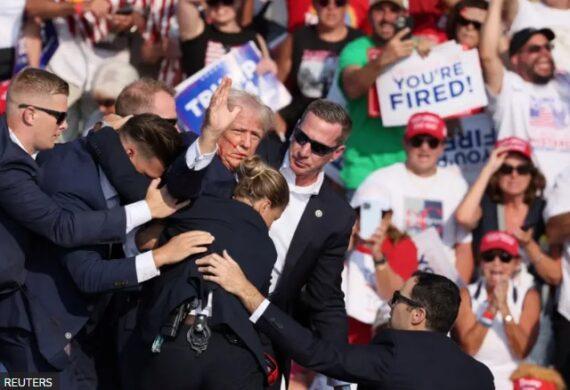
El Mundo also links the pattern to more recent incidents, including a 2024 attack in Butler, Pennsylvania, where Thomas Matthew Crooks fired at Trump at a rally and killed a spectator before being killed.
In a separate thread about crime trends, El País reports that violent crime in the United States has fallen this year and cites Major City Chiefs Association data showing a 6% decline across the 69 cities it covers.
El País quotes David Kennedy saying, “the most important thing is that it is happening, it is real, and it is, of course, very good news,” while also noting that the decline’s causes remain uncertain and that perception can diverge from rates.
Civil Rights Architecture and Memory
MS NOW’s special series on the 250th anniversary argues that the Declaration of Independence promised liberty to people it enslaved, and it says Americans are confronted with why the civil rights framework “continues to fall short.”
It says the country declared racism illegal while leaving in place “the infrastructure that produces racial inequality,” including “land use decisions that segregate neighborhoods” and “transportation systems that isolate communities from opportunity.”
MS NOW points to the Supreme Court’s Voting Rights Act rulings, saying it “gutted the section of the Voting Rights Act that required states and localities” to obtain federal “preclearance.”
It adds that in “April’s regrettable Louisiana v. Callais ruling,” the Court gutted a section drafted to ensure fair representation for Black and other marginalized voters, and it argues that when polling places close, voter rolls are purged, and districts are redrawn, “the formal right is hollow.”
In a different framing of national memory, The Intercept’s essay quotes President Donald Trump saying the U.S. is the “greatest, strongest, and most exceptional nation the world has ever known,” and it says Trump added it was “superior to any nation that’s ever been built no matter how many years it took.”
More on USA

Analyses Link Donald Trump’s Greenland Push to U.S. Expansionism From the Monroe Doctrine
11 sources compared
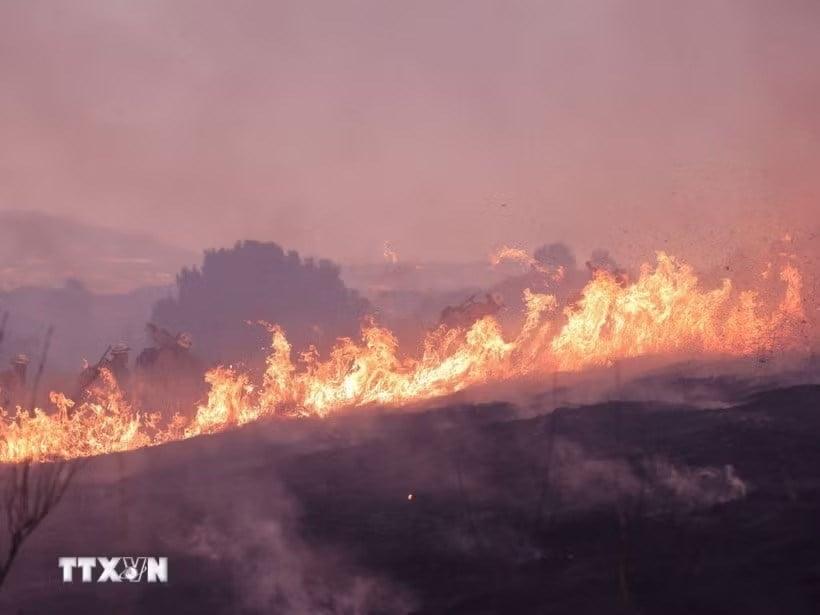
Aspen Acres Fire Forces Evacuations Near Denver, Destroys 160 Structures in Colorado
11 sources compared

Trump Uses July 4 250th Birthday for Political Rallies in Washington
14 sources compared

New York Harbor Welcomes More Than 40 Tall Ships for Sail4th 250 Anniversary Parade
13 sources compared