
Mauricio Researchers Restore Reefs With Heat-Tolerant Corals, Reporting Nearly 98% Survival
Key Takeaways
- Global warming and bleaching threaten reefs worldwide.
- Mauritius restores reefs with heat-tolerant corals; Australia reports resilient corals.
- Overseas territories lead reef research and monitoring programs.
Heat-tolerant corals in Mauritius
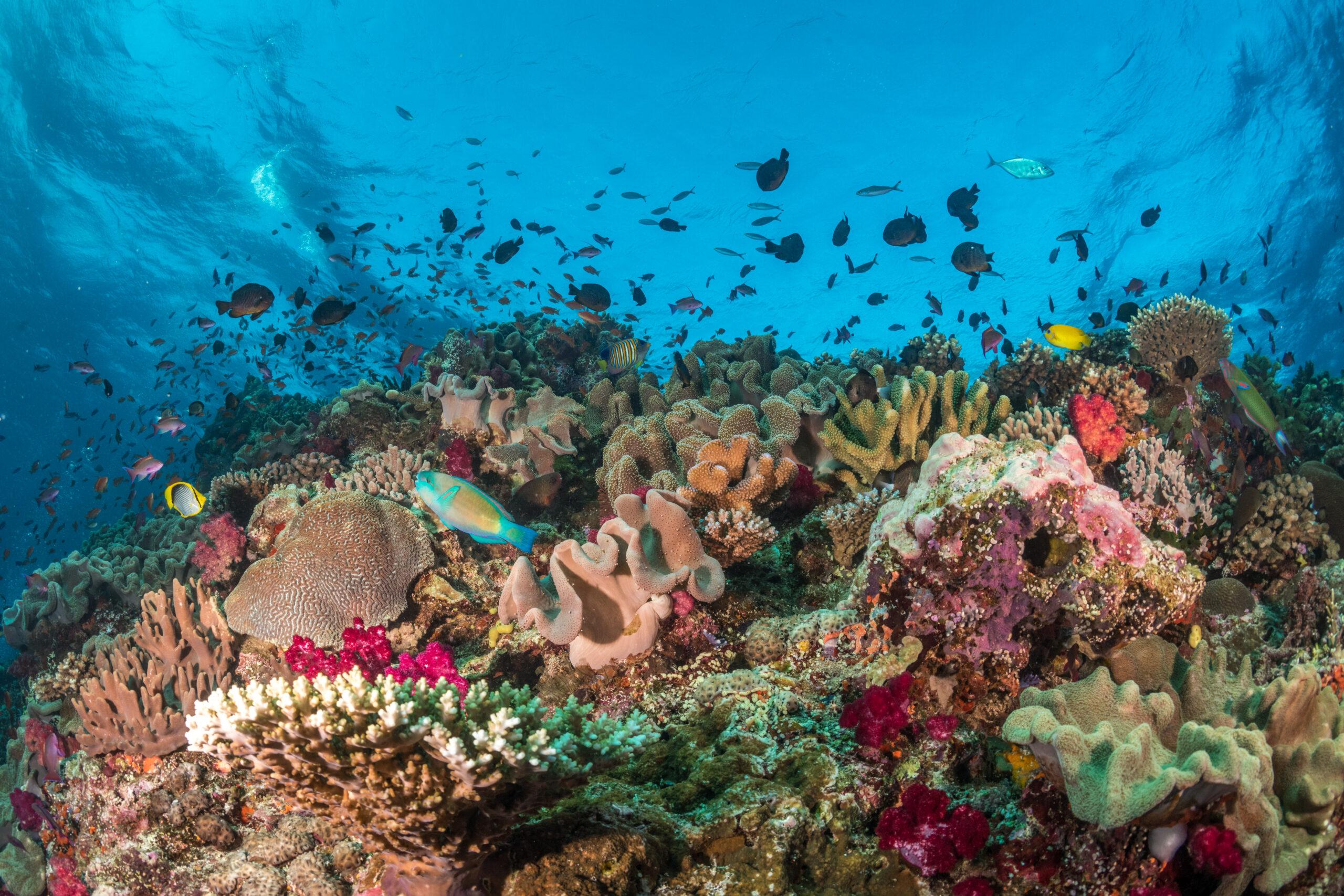
Researchers in Mauricio restore reefs with corals selected for heat tolerance and report survival rates close to 98% after a marine heatwave hit the island’s reefs last summer.
“As part of the Year of the Sea 2025, CNRS is offering a series of articles to understand oceanic issues at the heart of geopolitical attention”
The work is led by doctor Nadeem Nazurally, who supervises a program that selects corals capable of tolerating higher temperatures rather than only replanting “fuertes” colonies.

The article says the latest heat episode tested the approach, with waters that “rozaron los 31 °C,” and it describes the selected colonies as showing survival rates “cercanas al 98%.”
It adds that Mauritius, “frente a la costa oriental de África,” hosts “cerca de 250 especies de corales e hidrozoos,” and that reefs support fisheries, protect the coast from erosion, and sustain tourism for thousands of families.
The piece also links the strategy to broader scientific coordination, noting that institutions including the Mauritius Oceanography Institute, the Universidad de Mauricio, and the Odysseo Oceanarium began coordinating efforts to develop selection based on thermal tolerance.
Red Sea expedition and data
An international expedition aims to save Red Sea coral by combining scientific diplomacy with cross-border collaboration among researchers across Israel, Jordan, Saudi Arabia, Yemen, Somalia, Djibouti, Eritrea, Sudan and Egypt.
The article says the Transnational Center for Red Sea Research (TRSC) was established in 2019 and that its first expedition sails this Thursday from Seville on the Swiss sailboat Fleur de Passion.
TRSC founder Anders Meibom, head of the expedition, explains that “local pollution will quickly spread to the rest of the region,” making shared environmental protection necessary.
The expedition also plans to build a detailed database of the coral barrier and examine resistance to high temperatures, using a monitoring system described as “un pequeño acuario” where coral samples are subjected to “muy precisas” thermal stress.
The report says one main study led by Maoz Fines was published in 2019 in the Journal of Experimental Biology and confirmed that the thermal immunity of these corals could be passed to their descendants.
Connectivity, mapping, and monitoring
A study coordinated by Macquarie University and involving partners including IRD argues that marine connectivity is essential for preserving coral reefs and global fisheries, and it is published in Science on January 20, 2022.
“Investigadores en Mauricio restauran arrecifes con corales seleccionados por tolerancia al calor y logran tasas récord de supervivencia”
The article says reefs cover only 0.2% of the world’s ocean surface but host more than 25% of global marine biodiversity and sustain livelihoods of 500 million people, including 40 million fishers.
It reports that the researchers simulated the dispersion of coral reef fish larvae worldwide and that this is the first time coral reef connectivity has been simulated at this spatial scale, at this resolution, and for four distinct groups of fish.
The study distinguishes reefs that serve as dispersal corridors, reefs that retain larval inputs as “pits,” and reefs that export larvae as “sources,” and it says reefs that receive larvae from highly interconnected dispersal corridors harbor a greater number of fish species.
The article adds that by identifying these roles, the work provides a scientific and policy framework to improve strategies for placing certain coral reefs under protection by 2030, including Marine Protected Areas (MPAs) or Ecosystem-based Conservation Measures by Area (OECMs).
More on Technology and Science

G7 Leaders Discuss Ukraine, Middle East, China Supply Chains, and U.S. AI Export Controls
10 sources compared

Google Rolls Out Android 17 to Pixel Phones With Wear OS 7 Update
16 sources compared

Keir Starmer Announces U.K. Ban On Social Media For Children Under 16
12 sources compared

Mobileye Plans US Robotaxi Service With 100 Vehicles Starting 2027
11 sources compared