
Technology and Science · 15 June, 2026 · 3 min read
Keir Starmer Announces U.K. Ban On Social Media For Children Under 16
UK bans under-16s from major platforms: TikTok, YouTube, Instagram, Snapchat, Facebook, X; messaging apps excluded. Also blocks livestreaming and ability to communicate with strangers; extends to gaming sites.
How comprehensive UK action is beyond a blanket platform ban.
10 of 12 outlets skipped it: youTube Kids is excluded from the social media ban.
12outlets compared
Same story, two versions
tap a side to read it in full
CBS News
“also blocking children from accessing "harmful functions" such as livestreaming”Read the original ↗
Some emphasize parental empowerment; others emphasize broader feature-level restrictions.
Starmer’s under-16 ban
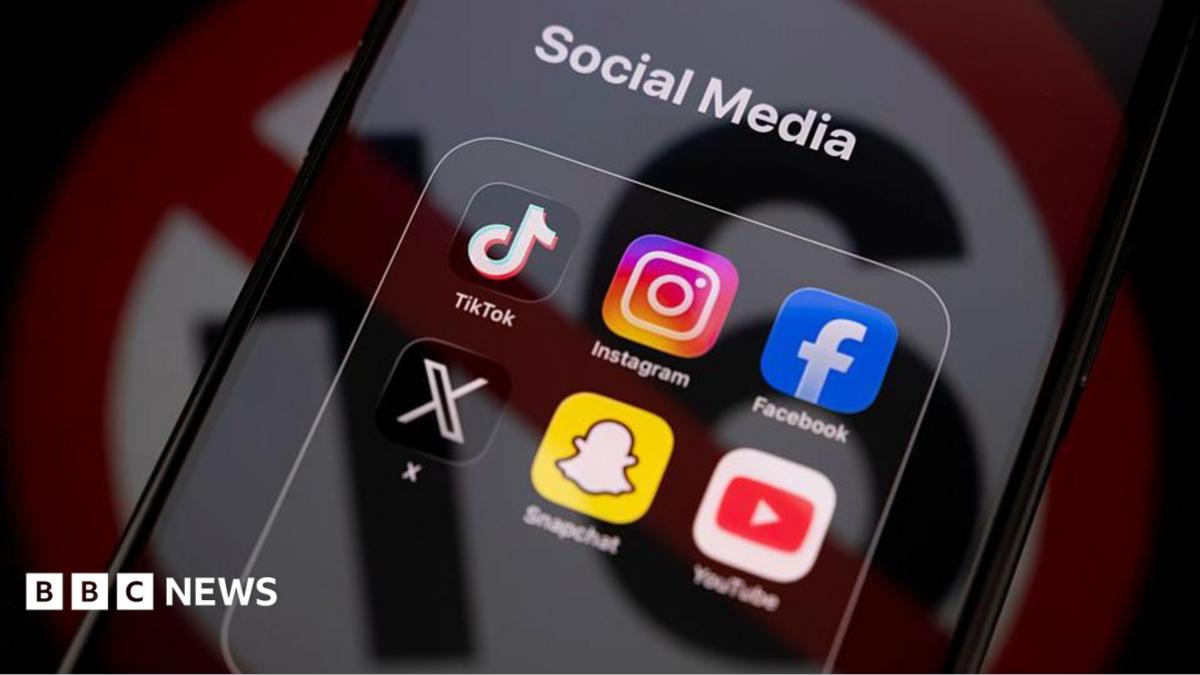
British Prime Minister Keir Starmer announced on Monday that the U.K. will introduce a social media ban for children 16 and under, prohibiting kids age 16 and under from using "platforms like Snapchat, TikTok, YouTube, Instagram, Facebook and X."
“platforms like Snapchat, TikTok, YouTube, Instagram, Facebook and X”
Starmer said he is "going further than any country in the world by banning social media for under-16s and putting wider protections in place to give kids their childhood back," and the U.K. government said the legislation would be discussed in Parliament before Christmas and implemented in early 2027.
The U.K. ban is expected to apply to platforms including Snapchat, TikTok, YouTube, Instagram, Facebook and X, while messaging services like Signal and WhatsApp are not expected to be affected.
The U.K. government said it will also go further than a blanket ban with "world-leading blocks on harmful functions such as livestreaming and stranger communication with children for under-16s," and the BBC reported the government described the move as part of a broader effort to protect young people from harmful content and excessive screen time.
The BBC said ministers plan to provide an update on further restrictions like potential curfews, curbing "addictive" features like infinite scroll and AI chatbots in July, while the ban’s enforcement approach remains a central question.
Tech pushback and enforcement
YouTube and Snap both pushed back on the U.K. plan, with a YouTube spokesperson saying, "Blanket bans push kids out of such curated, supervised, beneficial experiences and towards anonymous, less safe services."
Snap said it shared the government’s goal of protecting people from online harm but argued that "an outright ban that disconnects teens from those relationships doesn't make them safer -- it may simply push them to less safe platforms."
The BBC’s “Five big questions” segment highlighted that details remain sparse on how the rules will extend to gaming sites like Roblox and how enforcement would work against tools such as VPNs that can disguise someone’s location online.
The BBC reported that ministers have said they will provide an update on further restrictions in July, and it noted that the government says it will use "highly effective age assurance" to make a ban stick.
In its discussion of enforcement, the BBC described age assurance methods that can include facial age estimation tech, photo ID matching, or a digital identity service like Yoti, and it said Ofcom warned that applying age assurance at 16 has challenges.
What changes for families
The U.K. government said the ban would apply to platforms whose purpose is to enable social interaction and allow users to post material, while the BBC said it does not expect messaging apps like WhatsApp and Signal to be included.
“YouTube is going to be included in the ban, but YouTube Kids will not be”
The BBC also said YouTube will be included in the ban but YouTube Kids will not, leaving open questions about how children could access YouTube through search without an account and how educational content might be carved out.
In a separate reaction, the BBC reported that Starmer stressed enforcement action would target tech companies, not children, and it described the government’s plan to use a narrowly defined list of exemptions to keep educational services available.
The BBC said the U.K. plans to model its approach on Australia’s ban and to go further with blocks on livestreaming and stranger communication for under-16s, while CNBC reported the first set of regulations could take effect as soon as spring 2027.
As the policy moves from announcement toward implementation, the BBC said ministers plan to update restrictions like potential curfews, curbing infinite scroll, and AI chatbots in July, and it framed enforcement as a key unresolved issue for parents and regulators.