Full story
Integration declared complete
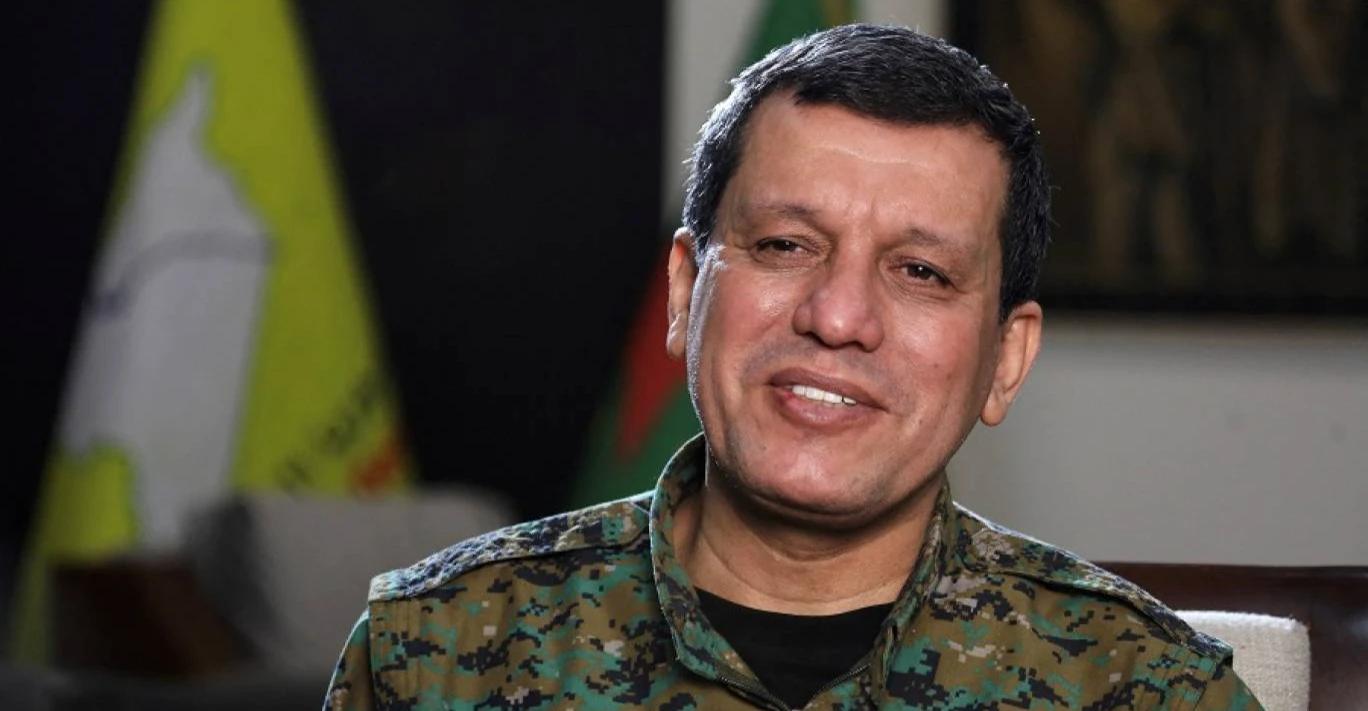
Syrian Democratic Forces commander Mazloum Abdi announced the completion of the military, security, and administrative merger of his forces into the institutions of the Syrian state during a celebration marking 100 years since the founding of the city of Qamishli.
“"the phase of integration—regarding our military, security, and administrative institutions—within the national state institutions has been completed and ended."”
Abdi said, "the phase of integration—regarding our military, security, and administrative institutions—within the national state institutions has been completed and ended," and he added that "From now on, we begin a new phase."

The announcement followed a January 29 agreement and came after the Syrian government announced on January 30, 2026, the reaching of a comprehensive agreement with the SDF including a ceasefire and the start of military and administrative integration.
Damascus said the deal came after a military operation by the Syrian army that reclaimed large areas in the eastern and northeastern parts of the country following what it described as violations by the SDF of an agreement reached between the two sides in March 2025.
In Qamishli in northeastern Syria, Abdi also said the rights of the Kurds will be written into the constitution and that his forces would comply with the laws of the Syrian state.
Debate over implementation
Analysts and officials framed Abdi’s declaration as a transition from military conflict to partnership and political work under the umbrella of the Syrian state, but they emphasized that the real test would be implementation on the ground.
Khorshid Dili, a researcher on Kurdish affairs, told Syria Now that Abdul’s speech was a message indicating the end of the military and conflict era and the transition to a new phase based on partnership, integration, and participation in state institutions.

Basal Al-Haj Jassim, an academic and political researcher, said Abdi’s announcement was "politically important" but did not mean on the ground that the process was completed in all its details, stressing challenges such as powers and resource management.
In Hasakah, deputy governor Ahmed Al-Hilali said Abdi’s speech marked the start of a new phase that strengthens the state's presence and accelerates integration, and he said, "finalizing the file is not achieved by statements alone but by completing implementation on the ground."
Asharq Al-Awsat also reported that Ali Tami argued integration was "complex and intertwined and cannot be concluded with a statement," while al-Hilali said the announcement would translate into practical measures including unifying institutions and administrative authority.
What’s at stake next
The integration announcement raised immediate questions about what changes would follow in Kurdish-held areas and how the SDF’s future would be defined within Syrian state structures.
“key questions remain over how the integration will be implemented in practice”
AzerNews said Abdi confirmed that all non-Syrian Kurdish forces assisting the SDF had withdrawn from the area, while also noting that key questions remained over how integration would be implemented in practice, including whether it would result in the dissolution of the SDF as a separate military structure.
In Qamishli, Abdi said the next stage of the struggle would increasingly shift from the military sphere to politics, centering on constitutional guarantees for Kurdish rights including the right to education in the Kurdish mother tongue, equal citizenship, and democratic local administration.
Le Monde reported that Abdi did not detail how the SDF and Kurdish security forces were integrated into the ranks of the Syrian state, even as it described the January agreement signed with Syrian President Ahmed al-Sharaa and the decree signed by al-Sharaa on January 16 recognizing Kurdish as a national language.
The National added that Bente Scheller said the move could mean hopes for self-rule survive only at the municipal rather than provincial level, and it quoted Abdi saying, "Our struggle will continue, to cement our people's rights in the constitution."