
Meta Reverses Horizon Worlds Shutdown, Keeps VR Platform Running for Now
Key Takeaways
- Meta reverses Horizon Worlds shutdown, keeps VR platform running for the foreseeable future.
- Bosworth says the decision was made today to keep Horizon Worlds in VR.
- Decision communicated through an Instagram post from Meta's CTO.
Reversal Decision
Meta has abruptly reversed its decision to shut down Horizon Worlds, the VR social platform that once represented the centerpiece of the company's metaverse ambitions.
“Meta's colossal gamble on virtual reality ended in a resounding failure”
The surprising about-face comes four years after Horizon Worlds launched as Meta's flagship virtual reality experience.

CEO Mark Zuckerberg initially positioned it as the foundation of a new social internet where people would hang out, work, and play in immersive 3D environments.
According to Meta's CTO Andrew Bosworth, who made the announcement via Instagram post after a fan expressed being 'heartbroken' about the planned shutdown.
The company decided 'just today' to keep Horizon Worlds working in VR.
This reversal, confirmed by a Meta spokesperson to TechCrunch, follows an earlier announcement that the platform would move to web and mobile only on June 15.
It marks yet another twist in the turbulent saga of Meta's metaverse strategy.
The reversal indicates more complex decision-making than simple cost-cutting.
Platform Challenges
Horizon Worlds' near-death experience reveals the significant internal challenges and user adoption struggles Meta has faced with its metaverse ambitions.
The platform was supposed to be the killer app justifying Meta's massive bet on virtual reality.
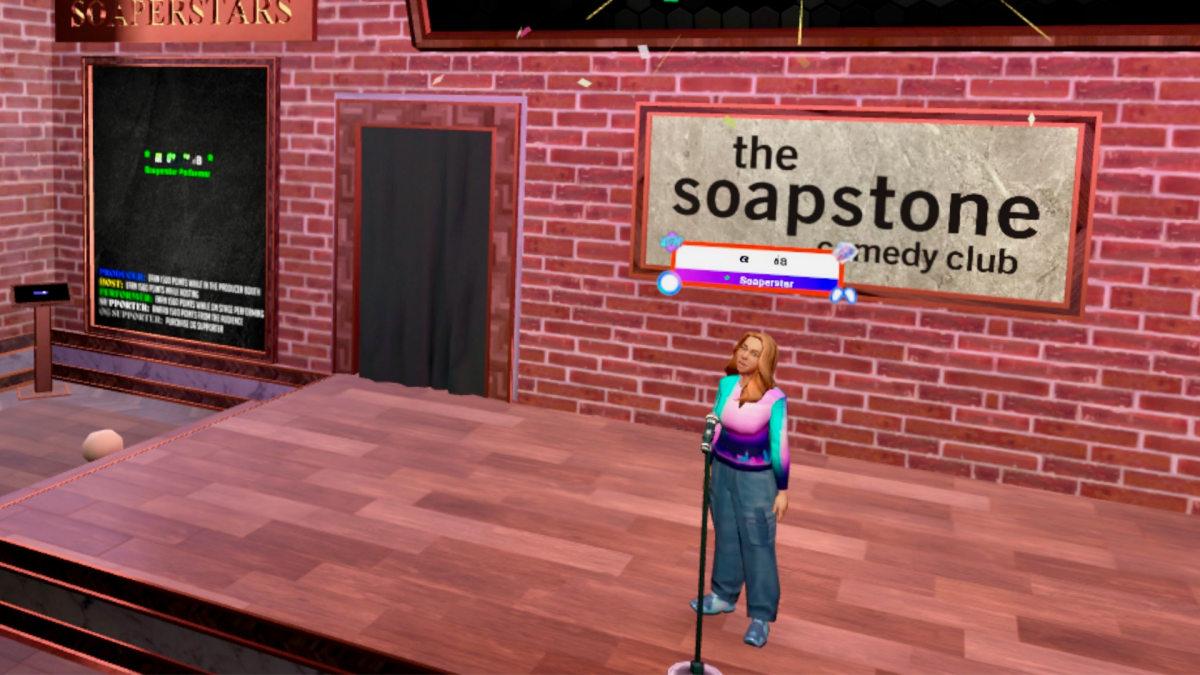
It has consistently battled with retention and engagement issues since its 2021 launch.
Early reports even suggested that Meta employees themselves weren't using the platform regularly.
The company has cycled through multiple strategic pivots in search of product-market fit.
The reversal comes at a particularly sensitive moment following Meta's recent shutdown of Supernatural.
That popular VR fitness app had sent shockwaves through the Quest ecosystem.
The platform's technical flaws and lack of consumer interest have been substantial.
Very few people actually wanted to hang out in VR as originally envisioned.
Early versions showed serious design flaws, including avatars lacking legs and artificial appearance that sparked ridicule.
Financial Impact
The financial context surrounding Horizon Worlds' reversal is staggering.
“According to an Instagram post from Meta’s CTO Andrew Bosworth, Meta is not shutting down VR support for Horizon Worlds after all, which should come as a huge relief to, like, five people”
Reality Labs has burned through an incredible $73 billion since 2021 when Meta rebranded from Facebook.
To put this amount in perspective, one would need to spend $1 million every day for two centuries to equal the losses.
These excessive losses have understandably worried investors.
They have seen the company's strategy of building in public run up against an unforgiving reality.
Despite dominating the VR market with 77% of shipments in 2024, sales have been declining.
Counterpoint Research observed a 12% drop in global VR headset shipments that year.
This marked the third consecutive annual decline for VR headset sales.
In December, Bloomberg revealed a budget cut of up to 30% for this department.
Strategic Vision
Zuckerberg's original vision for Horizon Worlds was driven by a desire to escape the 'humiliating' nature of depending on Apple and Google's app store duopoly.
At the 2021 Facebook Connect event, he predicted that a billion people would join the metaverse in the coming decade.
He forecast this would generate hundreds of billions in digital commerce.
Optimistic forecasts were backed by firms like McKinsey and Citi with their own gargantuan estimates.
However, Meta made a major strategic error by announcing prohibitive fees before reaching critical mass.
The company charged 47.5% on sales of digital assets in Horizon Worlds.
This included 30% for the hardware platform and 17.5% for the app.
These high fees effectively cooled off creators from the start.
The platform's reversal suggests Meta is still searching for the right formula to justify billions poured into Reality Labs.
The company acknowledges decision-making is more complicated than simple cost-cutting.
Technical Issues
Horizon Worlds has faced significant technical and user experience issues that have plagued its adoption.
“Meta's colossal gamble on virtual reality ended in a resounding failure”
The platform has struggled with retention and engagement since launch.
Even Meta employees reportedly weren't using it regularly despite being the target demographic.
Safety concerns have been particularly problematic.
Incidents of sexual harassment and collective virtual assaults occurred before Meta addressed these issues.
The 'Personal Boundary' feature appeared only after such reports of abuse emerged.
This demonstrated that Meta was reactive rather than proactive in addressing user safety.
Users facing virtual abuse often simply removed their headsets.
They were unable to document the incidents for later reporting.
This highlights unique challenges of maintaining safety in immersive virtual environments.
The combination of flaws has made Horizon Worlds a symbol of the metaverse's struggles despite massive investment.
More on Technology and Science

Hawaii's Worst Flooding in 20 Years Threatens Dam, Prompts Evacuations as More Rain Looms
11 sources compared

Hawaii Deploys National Guard as Worst Flooding in 20 Years Swamps Oahu
68 sources compared

Heatwave shatters March records as Southwest bakes under extreme temperatures
48 sources compared
Record heat blankets the US Southwest as March logs hottest temperature in Arizona
10 sources compared