Mexicoupdated 19m ago3 min read
Archive photo · 19 July 2026Mexico Files Complaint Against DEA Anonymous Tip Line, Sheinbaum Calls It Interference
“Sheinbaum, in harsh comments Thursday, read excerpts from a new investigation by The Associated Press revealing how the DEA allowed at least 1.4 million counterfeit fentanyl pills to go unseized”
“Alleged links between elected officials and organized crime have become an increasingly fraught issue for Sheinbaum’s government”
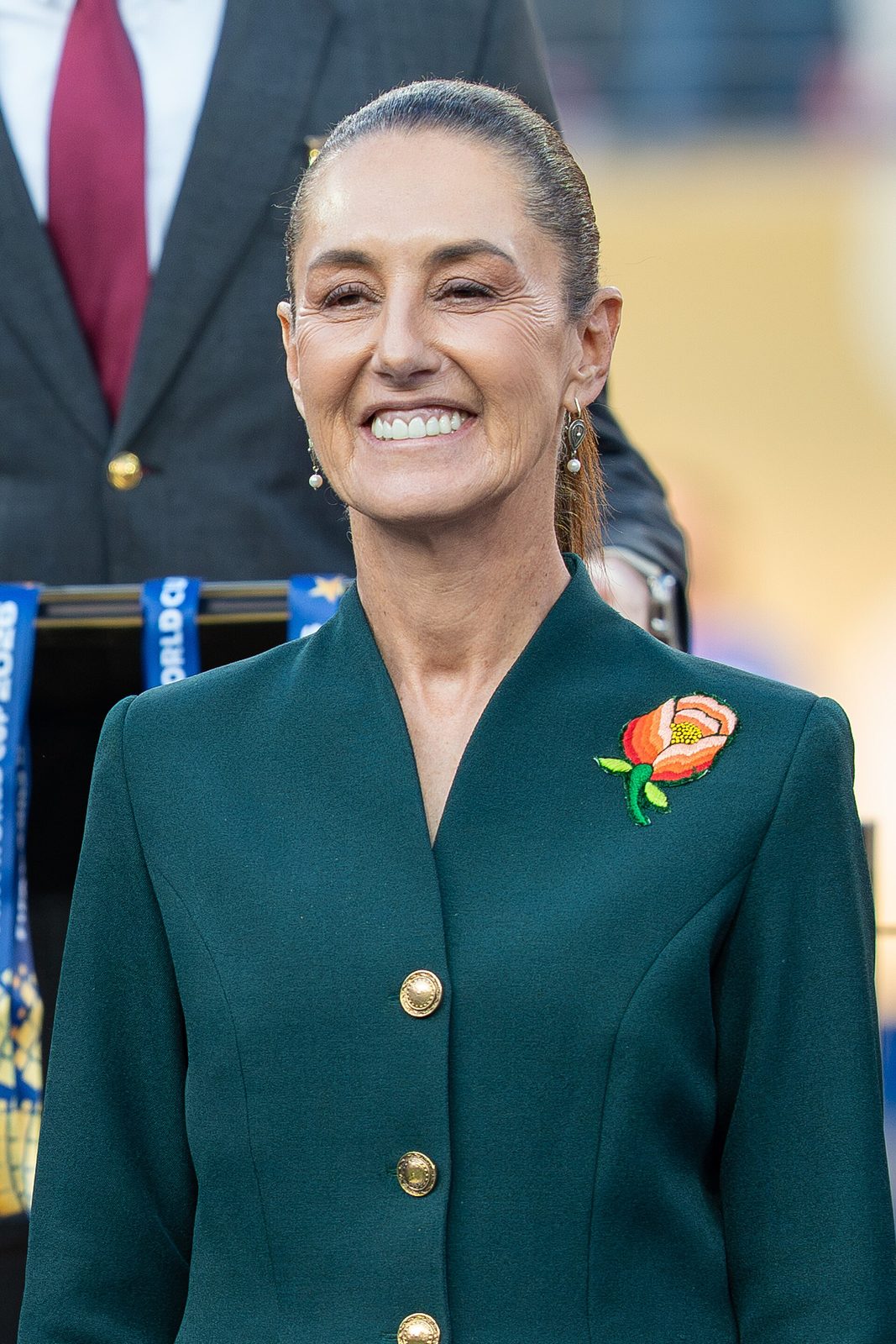
Photo: Bryan Berlin, CC BY-SA 4.0 · Cropped for layout
This article is an automated aggregation of coverage from news outlets. Our editorials offer in-depth analysis curated by the NewsCord team.
Mexico filed a formal complaint with the United States over the DEA anonymous tip line. President Claudia Sheinbaum called the DEA line interference and demanded respect for Mexico's sovereignty.
Save coverage image
Mexico challenges DEA tip line
Mexico filed a formal complaint with the United States over a Drug Enforcement Administration anonymous tip line for reports about criminals and corrupt Mexican officials, President Claudia Sheinbaum said Friday. Sheinbaum said, “We have made it very clear in our relationship with the United States that the relationship is one of coordination, not subordination,” as she described the move as interference in Mexico’s internal affairs. The DEA chief Terry Cole announced on his X account that the agency was opening an anonymous tip line to receive information about members and associates of designated terrorist organizations, corrupt officials who support them, criminal networks and people who launder money to finance narcoterrorism in Sinaloa.
Cole also said the agency planned to open a tip line for the state of Jalisco, and Sheinbaum urged Washington to address drug use and combat drug traffickers within its own territory. The dispute came after Mexico captured drug lord Fausto Isidro Meza Flores, known as “El Chapo Isidro,” with help from the United States, and Mexican Attorney General Ernestina Godoy said this week that “he will be tried in this country.”
Sovereignty dispute and competing frames
Sheinbaum said Mexico’s foreign ministry lodged the complaint with U.S. Ambassador Ron Johnson, and she told reporters, “We have made it very clear in our relationship with the United States that the relationship is one of coordination, not subordination.”
Sheinbaum accused the DEA of interference and said, “It’s clearly an act of interference,” while pointing to an Associated Press investigation described in the CBS report.
DEA Administrator Terry Cole said, “Your information matters. Your identity and your safety matter,” as he encouraged anonymous reporting via Signal, WhatsApp and email.
Reuters reported that Foreign Minister Juan Ramon de la Fuente contacted the US ambassador to Mexico to lodge the complaint, and Reuters said the ambassador told him he would look into the issue.
The complaint also landed amid broader U.S. pressure on Mexico over suspected links between politicians and cartels, with Reuters describing the DEA tip line as seeking information on suspected drug traffickers and alleged corruption among Mexican officials.
What the tip line means
The DEA tip line was described as accepting reports on suspected drug traffickers and alleged corruption among Mexican officials, and it was tied to Sinaloa as the stronghold of the Sinaloa Cartel.
Sheinbaum said the United States should focus on tackling drug consumption and criminal groups operating within its own territory, while she insisted, “we cannot have this view that the responsibility lies with Mexico.”
Univision reported that Secretary of Foreign Affairs Roberto Velasco spoke with U.S. Ambassador Ronald Johnson to file the formal complaint after the DEA authorized a WhatsApp number for citizens to report corrupt officials and members of drug trafficking organizations.
The DEA announcement also included a specific contact for Sinaloa, with the number +1-858-298-5670 described as available via WhatsApp and Signal, along with a Threema identifier.
The dispute sharpened as the United States pressed Mexico to intensify its fight against cartels, and the sources described Sheinbaum ruling out U.S. troop deployment on Mexican soil while maintaining security cooperation “but without subordination.”