Technology and Science20 March, 20262 min read
Microsoft Pauses Copilot Rollout on Windows Devices
This article is an automated aggregation of coverage from news outlets. Our editorials offer in-depth analysis curated by the NewsCord team.
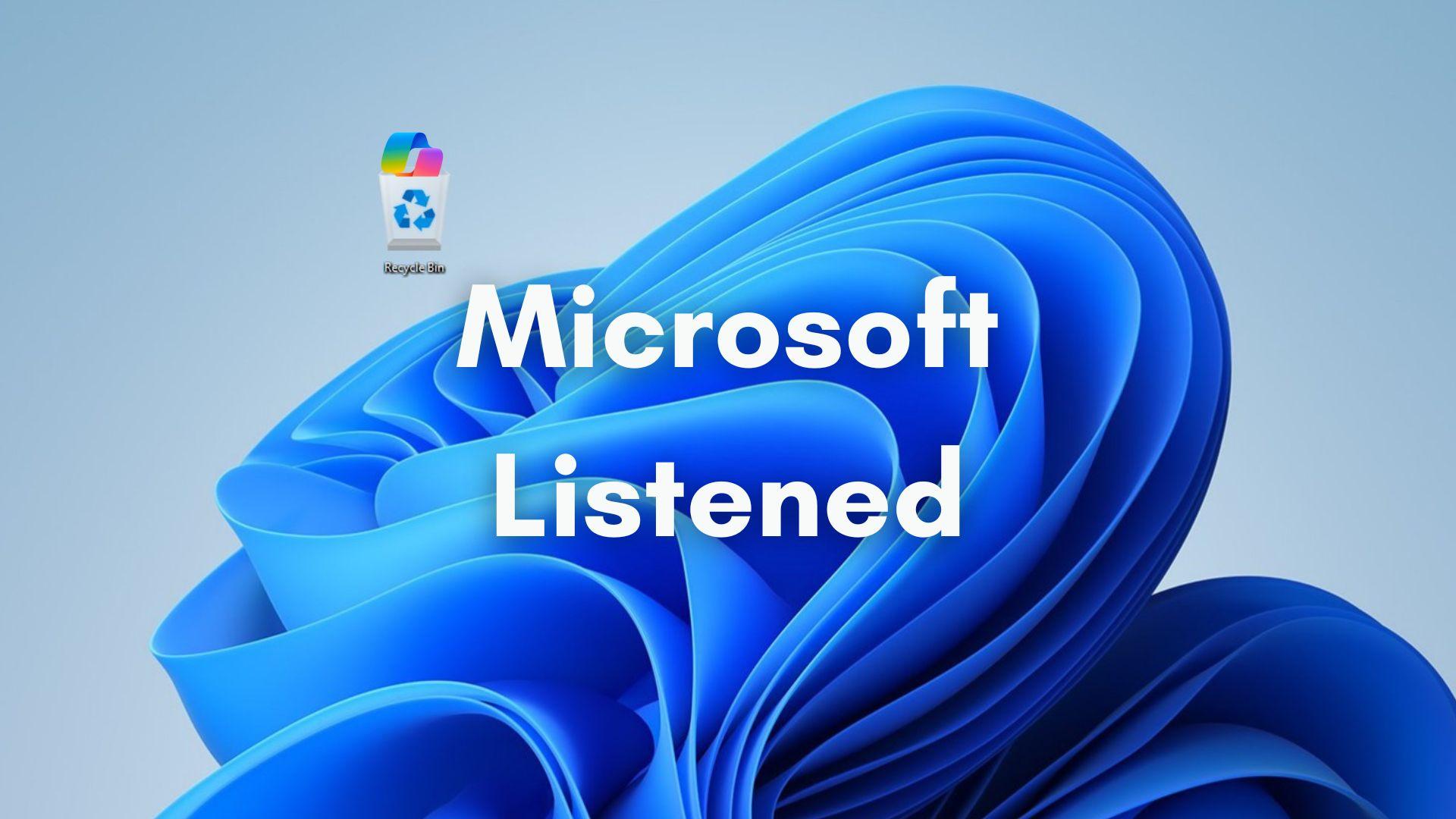
Microsoft paused automatic rollout of the Microsoft 365 Copilot app on Windows devices. Copilot integrations reduced in core Windows apps like Notepad and Photos.
Copilot Rollout Pause
Microsoft has temporarily suspended the automatic installation of its Microsoft 365 Copilot app on Windows devices. This pause marks a significant reversal in the company's AI integration strategy. The announcement came in March 2026, affecting users outside the European Economic Area (EEA).
“Microsoft has temporarily stopped automatically installing the Microsoft 365 Copilot app on Windows devices, excluding customers in the European Economic Area (EEA). Announced in March 2026, the pause followed criticism from users and businesses about the forced installation/rollout of the Microsoft 365 Copilot app.”
EEA users were already exempt from automatic installation. The decision follows Microsoft's previous plans for automatic installs starting October 2025. A broader rollout was originally scheduled for December 2025.
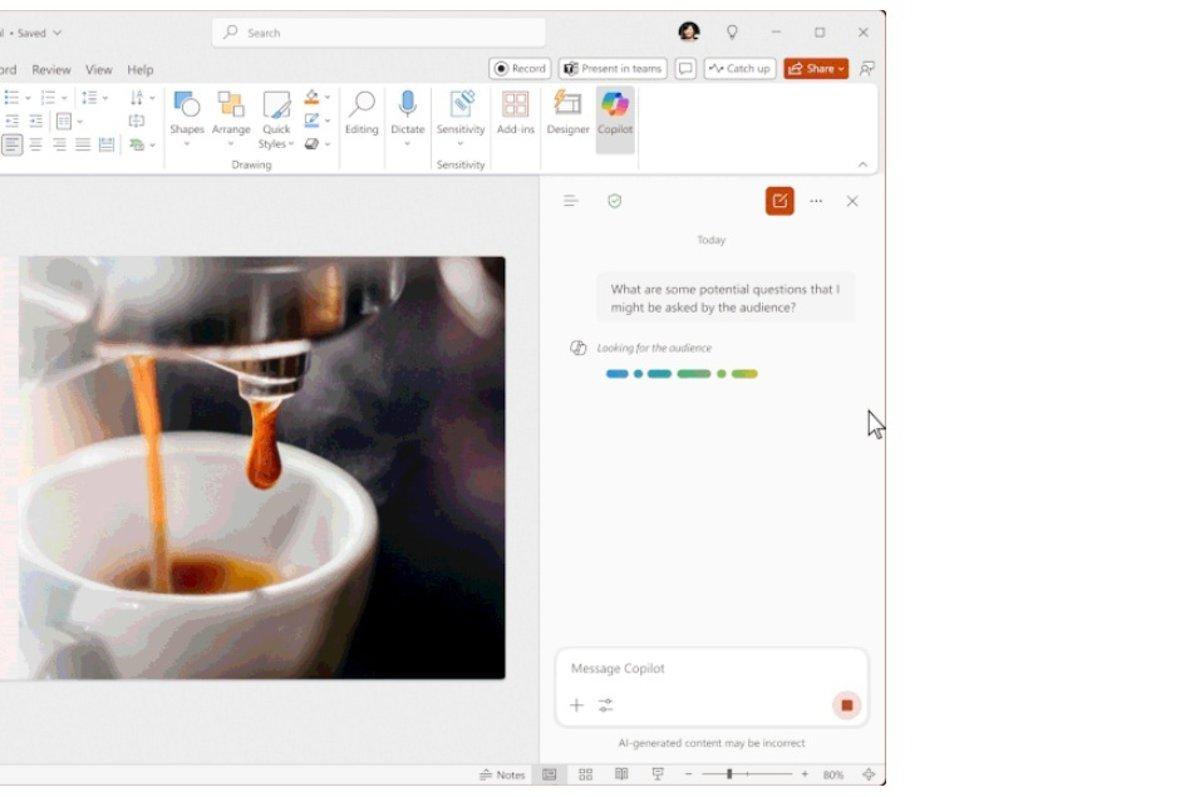
Existing Copilot installations will remain unaffected. This indicates a tactical retreat rather than complete abandonment of AI integration.
User Backlash
The pause decision was driven by significant backlash from users and enterprise customers. Users resisted the forced integration of AI features. The backlash was described as 'Copilot bloat' by critics.
Many complained about unwanted AI prompts in basic applications. Opening Photos or Notepad triggered unwanted AI suggestions. Enterprise customers expressed concerns about control and system management.
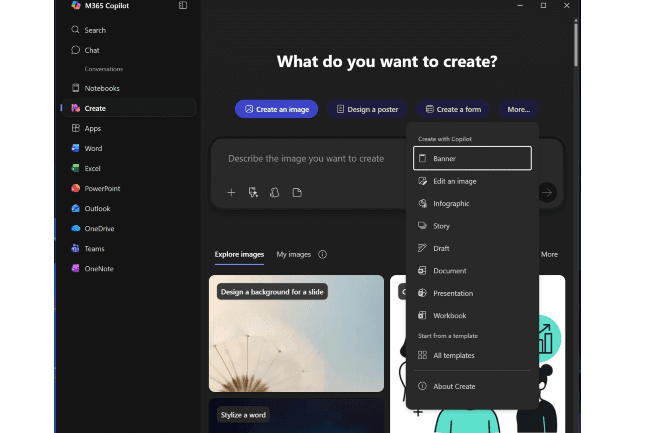
Power users lamented cluttering of familiar interfaces. Both individual and business users found the forced integration unwelcome.
Strategic Shift
Microsoft's retreat represents a strategic shift in AI deployment. The company had previously invested heavily in Copilot integration. Copilot was added to taskbar, File Explorer, Settings, and various applications.
“After investing $13 billion in OpenAI and racing to beat Google in the AI assistant wars, the company seemed determined to make Copilot unavoidable. Windows 11 updates throughout 2025 and early 2026 kept adding new Copilot entry points - a dedicated taskbar button, integration in File Explorer, prompts in Settings, and AI suggestions in apps that never asked for them.”
This came after Microsoft's $13 billion investment in OpenAI. The integration was part of efforts to compete with Google in AI market. The strategy appears to have backfired significantly.
Microsoft is reconsidering automatic deployment versus optional add-ons. Users may now have more choice in AI feature adoption.
Public Sentiment
The pause reflects growing public skepticism about AI integration. Research shows shifting attitudes toward artificial intelligence. A Pew Research study found 50% of U.S. adults now more concerned than excited about AI.
This represents a significant increase from 37% in 2021. Changing sentiment has directly influenced Microsoft's approach. Company executives acknowledge user feedback drives decision-making.
Microsoft has addressed privacy concerns surrounding AI features. The company previously delayed Windows Recall due to security vulnerabilities. Microsoft is taking a more measured approach focused on user experience.
Future Strategy
Microsoft is recalibrating its AI strategy to balance innovation and user preference. The company is testing policies allowing administrators to remove Copilot. This indicates a move toward giving users more control over AI integration.
“Microsoft has been testing policies that allow administrators to remove Copilot from managed devices, suggesting a move towards giving users more control.”
Microsoft announced several user experience improvements in response to feedback. New features include movable taskbar and better system update control. File Explorer performance is being improved.

The Widgets experience is being enhanced. Windows Insider Program is becoming more accessible.
Microsoft remains committed to AI but recognizes need for more nuanced approach. The Copilot pause may serve as a case study for AI deployment strategies.