Technology and Science14 May, 20268 min read
Ministers in Santa Marta Launch Talks With Over 50 Countries to Phase Out Fossil Fuels
Ministers from over 50 countries attend Santa Marta talks on phasing out fossil fuels. Colombia hosts the first international conference on transitioning away from fossil fuels.
Santa Marta’s fossil fuel talks
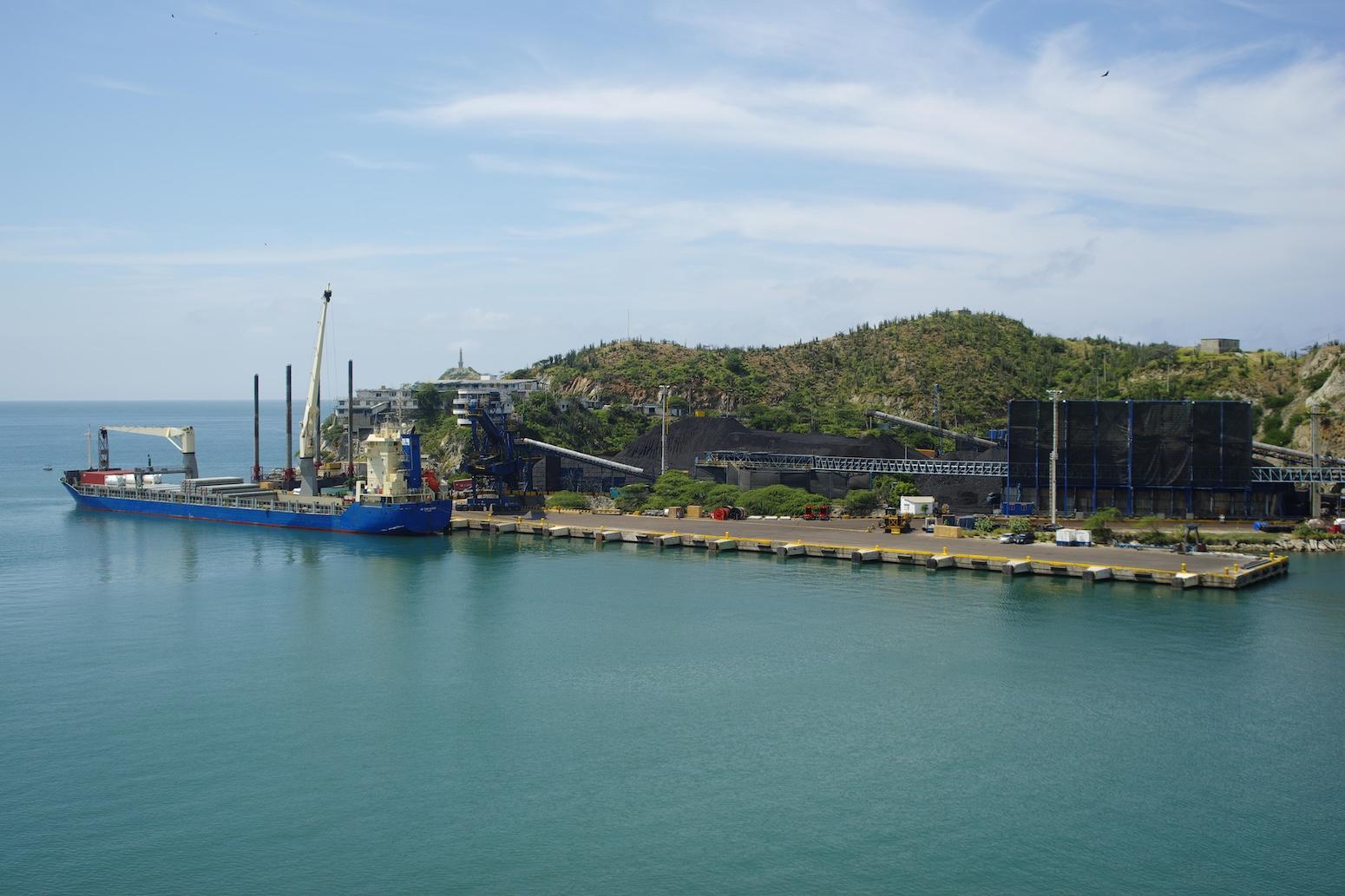
Ministers and high-ranking officials gathered in the Colombian coal-port city of Santa Marta for the First Conference on Transitioning Away from Fossil Fuels, where governments grappled with practical steps for phasing out coal, oil, and gas.
Climate Home News described the opening plenary as attended by “close to 60 countries,” with Selwin Hart, special adviser to the UN Secretary-General on climate action and just transition, warning that delaying the transition would make it “more disorderly, disruptive and costly.”

Hart framed the urgency as more than climate policy, saying it is “no longer only a climate or environmental imperative. It is a security imperative, an economic imperative and a development imperative.”
Ukrainian National News (UNN) reported that high-level international negotiations to accelerate the phase-out of fossil fuels began in Santa Marta with the participation of “over 50 countries,” and said the two-day summit became the central event of the First Fossil Fuel Transition Conference.
NL Times reported that the ministerial talks opened in Santa Marta on April 28 at the Estelar Hotel and would run through Wednesday, with “more than 50 countries” discussing how to phase out oil, coal, and gas.
The conference’s setting and timing were also tied to broader geopolitical and energy pressures, with Climate Home News pointing to “the Iran war” and NL Times noting that fuel prices dominated global headlines “amid the war in the Middle East.”
Why the talks were created
Organizers and participating governments described Santa Marta as a response to stalled fossil-fuel language inside the formal UN climate process, and they linked the conference’s design to frustration with how negotiations have played out. Climate Home News said that at last year’s COP30 in Belém, “a group of 80 countries called for the design of a global roadmap to phase out coal, oil and gas,” but it was blocked by large oil producers and consumers like Saudi Arabia, Russia, India and China. It also reported that the Santa Marta plenary adopted a different style, interspersing government interventions with speakers representing social groups, from women to the private sector, who had prepared contributions over the past three days.
NL Times similarly said that in “30 years of Conference of the Parties meetings,” nations managed only once—at the 2023 summit in Dubai—to include language on “transitioning away from fossil fuels and energy systems” in a final text, and that follow-up efforts stalled because major fossil fuel producers block progress. Earth.Org described the conference as led by Colombia and the Netherlands and said COP30 in Brazil last November had announced “the first international conference on phasing out fossil fuels,” with initial support of 24 other nations, while the UN climate summit that followed “did not contain any mention of fossil fuels.”

EnviroNews Nigeria added that the Senior Officials and Ministerial meeting of the “highest ambition coalition” concluded ahead of the high-level segment, and it said the coalition called for a new legal instrument because existing multilateral frameworks have proven insufficient to drive the pace and scale needed to stay within the “1.5°C temperature limit.” Across the sources, the conference’s rationale also included the idea that the world is facing a “point of no return” risk, with UNN reporting that President Gustavo Petro warned of a climate point of no return if the Amazon’s role in climate regulation is not preserved.
Voices at the opening plenary
The opening and ministerial segments featured a mix of climate-diplomacy messaging and direct political criticism of fossil-fuel politics, with multiple named officials and advocates speaking in the sources.
Climate Home News reported that the talks were opened by Colombia’s environment minister Irene Vélez Torres, who expressed frustration with “fossil colonialism” and the failure of the last few COPs to debate pathways away from fossil fuels, saying, “Beyond frustrations, we’re summoned today to overcome the crisis of multilateralism.”
She added that Santa Marta seeks to become a “deeper, more democratic and more effective” alternative and argued, “We need a multilateralism without de facto vetoes.”
NL Times quoted Margaretha Wewerinke-Singh, a jurist from the University of Amsterdam’s SEVEN Climate Institute, saying, “That seems like a smart move to me,” while also noting, “At the U.N. climate summits, the focus is always strongly on the final text.”
Earth.Org and EnviroNews Nigeria both attributed calls for a legal instrument to Irene Vélez Torres and to other ministers, with EnviroNews Nigeria quoting her: “Colombia is honoured to host this historic moment, where a coalition of countries ready to act are making it clear that a transition away from fossil fuels is more urgent than ever.”
The same EnviroNews Nigeria report quoted Tuvalu’s Dr. Maina Vakafua Talia saying, “Tuvalu is not waiting for the rest of the world to act, we are leading the way,” and it quoted Ralph Regenvanu of Vanuatu saying, “From the International Court of Justice to the UN General Assembly, Vanuatu has championed the legal obligation to phase out fossil fuel production.”
In parallel, UNN reported that Dutch Climate Policy Minister Stientje van Veldhoven said the phase-out is “inevitable” not only for environmental reasons but also to strengthen energy security, while Climate Home News quoted van Veldhoven describing fossil fuel systems as “hard to disentangle” from economies.
Coverage divergence and framing
The sources diverged in how they framed what Santa Marta is and what it is trying to achieve, even when describing the same overall event. Climate Home News emphasized the conference’s diplomatic and practical character, describing it as a “new chapter in climate diplomacy” and saying that while expected outcomes from the high-level debates remained unclear, some delegates saw the format as “a breath of fresh air compared with the rigid format of COPs.” It also described a political atmosphere outside the venue, saying right-wing demonstrators chanted in Spanish that “fossil fuels are a god-given resource,” and it reported that security was tightened in preparation for Colombian President Gustavo Petro.
NL Times, by contrast, stressed the conference’s structure and participant list, saying the goal is to build a “coalition of the willing” focused on practical steps rather than a negotiated final document, and it highlighted that China, India, Saudi Arabia, and the United States are absent. NL Times also included a specific comparative scale, saying more than 50 countries are participating compared with the usual 198 at full U.N. summits, and it named former Climate Minister Sophie Hermans (VVD) as carrying the initiative forward. Earth.Org and EnviroNews Nigeria both foregrounded the push for a legal instrument, with Earth.Org describing a Fossil Fuel Treaty initiative and quoting a press release that called for “binding supply-side obligations” and “create the financial and legal architecture necessary for a globally just transition.”
EnviroNews Nigeria added further detail about observers, stating that the meeting was attended by 10 official observer states—Ghana, Spain, Jamaica, Kenya, Malawi, Maldives, Nepal, Panama, the Dominican Republic, and Saint Lucia—and it described the coalition’s priorities including an “Importers-Exporters Club,” a “Global Just Transition Fund,” and a “Debt Resolution Facility.” UNN leaned into the political warning framing, reporting that President Petro warned of a “point of no return” tied to the Amazon’s role in climate regulation, and it also described participants criticizing previous UN climate talks for the lack of concrete decisions regarding the reduction of fossil fuel extraction.
What comes next and what’s at stake
The sources portray Santa Marta as a step toward future negotiations and mechanisms, while also tying the stakes to energy security, development, and legal obligations.
Climate Home News said that a group of 18 nations called on the Santa Marta summit to recognise the “urgent need to negotiate a new international instrument” for leaving coal, oil and gas beneath the ground, and it described their push for the conference to back a formal negotiation process for a binding “Fossil Fuel Treaty.”

It also listed proposed mechanisms for international cooperation and finance, including an importers-exporters club, a global just transition fund, and a debt resolution facility, while ActionAid International’s Teresa Anderson said UN climate talks remain essential but that “a new Treaty can act as a parallel and complementary space for those that want to move faster.”
Earth.Org similarly said the coalition called for a legal instrument that must include “binding supply-side obligations” and create “the financial and legal architecture necessary for a globally just transition away from coal, oil, and gas,” and it quoted Irene Vélez Torres saying the transition is more urgent than ever and that “the countries of the Global South must not pay the price of a crisis they did not cause.”
EnviroNews Nigeria connected the push to the International Court of Justice advisory opinion, stating that the ICJ advisory opinion found fossil fuel production, consumption, exploration licences, and subsidies may constitute internationally wrongful acts, and it said this reinforced the case for an explicit supply-side governance framework.
It also quoted Ralph Regenvanu saying, “The world is watching this conference, and we will not leave,” and it quoted Tuvalu’s Dr. Maina Vakafua Talia saying the conference must send “an unequivocal signal: the era of fossil fuel expansion is over.”
NL Times added a near-term political constraint, saying elections are scheduled for late May with the economy and energy policy as major issues, and it reported that right-wing parties want to lift the ban on new oil exploration and promise economic stimulus through renewed fossil fuel investment.
Across the sources, the conference’s next steps are therefore framed as both diplomatic—bolstering COP talks—and institutional—seeking a binding framework and finance mechanisms—while the immediate risk is that delays could make the transition “more disorderly, disruptive and costly,” as Selwin Hart warned.