Russiaupdated 1h ago2 min read
Archive photo · 8 April 2020Mishustin Announces Russia Will Build Two Railway Ferries for Kaliningrad Supplies
“Despite the Kremlin’s preparations, NATO has not announced plans to blockade Kaliningrad.”
“Earlier, the Russian Foreign Ministry claimed that NATO was building up its military presence in the Baltic states and practicing blockade scenarios for the Kaliningrad region, including a naval blockade.”
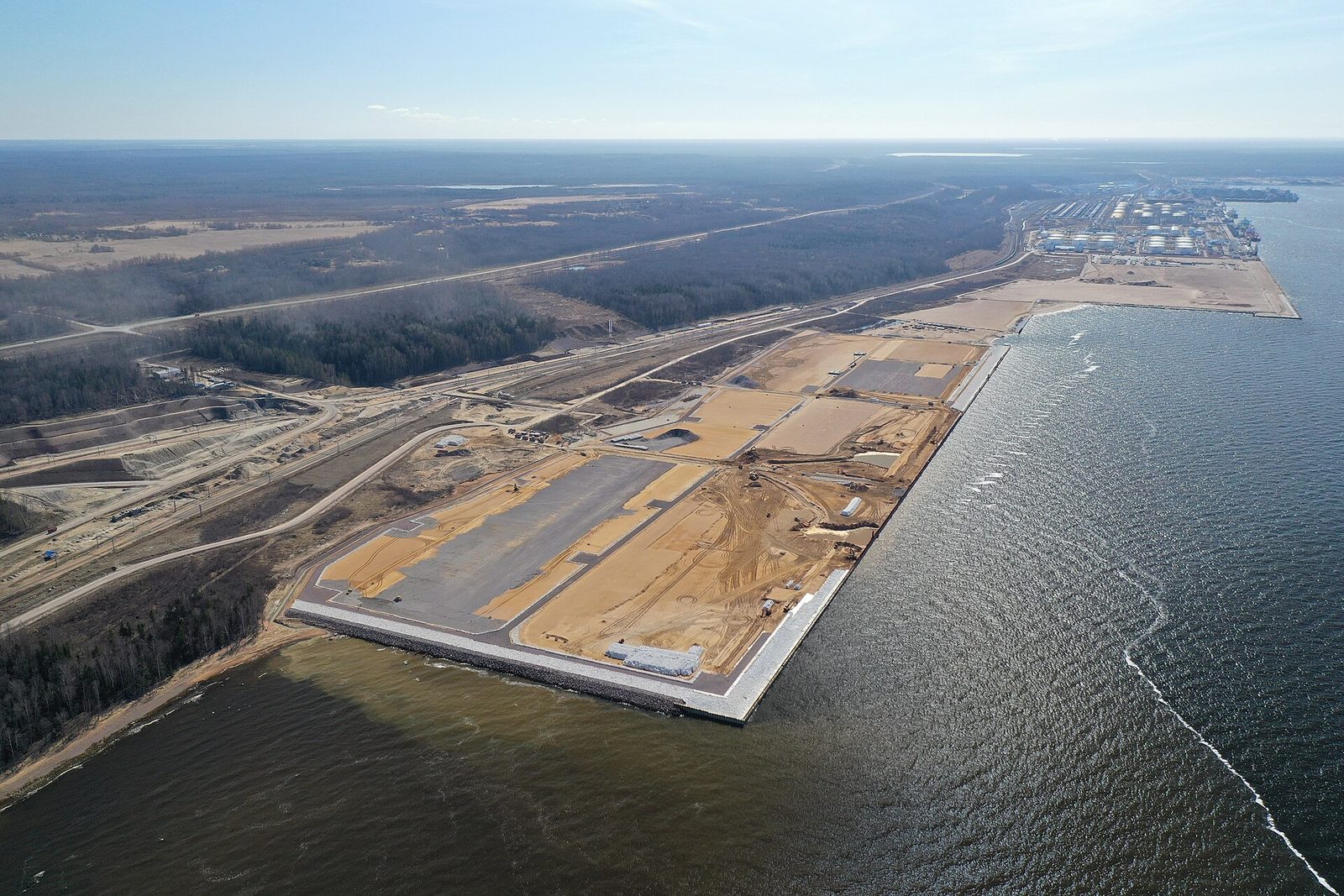
Photo: Компания «Новотранс», CC BY-SA 4.0 · Cropped for layout
This article is an automated aggregation of coverage from news outlets. Our editorials offer in-depth analysis curated by the NewsCord team.
Mishustin announced spending about 47–50 billion rubles to build two railway ferries for Kaliningrad. The project aims to secure uninterrupted supplies amid risks of overland transport blockades.
Save coverage image
Ferries for Kaliningrad
Russian Prime Minister Mikhail Mishustin announced that the Russian government will allocate about 50 billion rubles for the construction of two railway ferries intended to ensure uninterrupted supplies to Kaliningrad. Mishustin said the decision was made amid attempts by certain countries "to impose a transport blockade," citing disruptions to logistics chains and attempts to block transportation. Mishustin said the project was included in the list of infrastructure initiatives eligible for financing from the National Welfare Fund, and he described Kaliningrad as a Russian exclave on the Baltic Sea bordered by Poland and Lithuania.
The ferries are expected to enter service in 2030 and operate between the port of Ust-Luga in the Leningrad region and Baltijsk in Kaliningrad. The plan comes as multiple outlets tied the move to heightened regional tensions around Kaliningrad and its reliance on sea transport since 2022.
NATO tensions and warnings
Mishustin justified the ferries by pointing to Kaliningrad's special geographic position and "unlawful actions of certain states," which he said disrupted supply chains and attempted to block transportation. The Independent said Russia's plan would spend 47 billion roubles, approximately £440m, to build two giant rail ferries to ensure uninterrupted supplies to Kaliningrad amid Nato tensions. The Independent linked the announcement to the Saturday incident in which the Russian freighter "Sparta II" was struck by drones in the Baltic Sea and caught fire, which Finland's military said was likely an attack by Ukraine.
Kaliningrad Governor Alexei Besprozvannykh said on 21 November that a drone alert went off in a district bordering Lithuania after the appearance of a "suspicious object." A September document cited by multiple outlets said Russia warned NATO it would be ready to resort to nuclear weapons if the Western alliance attempted to cut off Kaliningrad.
Route, funding, and timeline
The Moscow Times said Russia's government would spend 47 billion rubles, $576 million, to build two rail ferries to ensure the uninterrupted flow of supplies to Kaliningrad amid rising regional tensions. The Moscow Times quoted Mishustin saying "Due to the unlawful actions of certain countries, disruptions to logistics chains and attempts at a transportation blockade are complicating the operations of enterprises located" in the Kaliningrad region. The Times of India said most of the funding would come from Russia's National Wealth Fund and that the two ferries were expected to enter service by 2030.
The Times of India said the ferries would operate between Ust-Luga in Russia's Leningrad region and Baltiysk in Kaliningrad, carrying railway wagons loaded with essential goods, raw materials and other supplies across the Baltic Sea. Ukrainska Pravda, citing Interfax, said the ferries would be built to a Russian design at a domestic shipyard and that construction was expected to be completed by 2030.